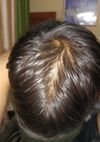
Hair loss treatments discussed include Minoxidil, finasteride, and RU58841. There is skepticism about claims of a breakthrough, despite FDA approval for human trials.
The user is using a hair loss treatment regimen that includes double the recommended dose of Minoxidil foam once nightly, a mix of RU58841 and stemoxydine after the Minoxidil dries, ketoconazole every other day, and weekly microneedling with alternating depths. They are also considering starting finasteride soon.
An 18-year-old male experiencing hair loss since 2023 is using minoxidil, microneedling, and topical finasteride. He is considering switching to oral finasteride for potentially better results.
The user shared a four-month update on their hair regrowth journey using 1mg daily finasteride, 5mg daily oral minoxidil, and weekly dermarolling, noting significant improvement in hair thickness and uniform growth. They reported no side effects from minoxidil except increased hair growth on arms, fingers, and eyelashes.
A user shares their hair regrowth journey using finasteride and minoxidil, highlighting lifestyle changes to enhance results. Another user reports negative side effects from finasteride and plans to try ketoconazole shampoo and natural oils.
KX-826 is undergoing Phase III trials in China as a potential treatment for male pattern baldness, with some users considering it as an alternative or addition to finasteride and dutasteride. Opinions on its effectiveness vary, with some users reporting positive results and others finding it expensive and ineffective.
FluffyyKoala shared their 6-month hair regrowth journey using finasteride, minoxidil, and microneedling, with positive results and minimal side effects. Others in the conversation shared their experiences, asked questions, and congratulated FluffyyKoala on their progress.
The conversation discusses a hair loss regimen involving finasteride, dutasteride, minoxidil, RU58841, and various supplements like biotin, omega-3, vitamin D3, zinc, and magnesium. The user also uses dermastamping and topicals like ketoconazole and diclofenac, with mixed opinions on zinc's effect on hair loss.
The user experienced significant hair improvement after 4 months of using 1.25mg finasteride daily and 5% Minoxidil foam. They reported no side effects and no noticeable shedding phase.
The conversation discusses hair loss treatments, with some users advocating for finasteride and minoxidil, while others express concerns about potential side effects of finasteride. A social media influencer is criticized for promoting scalp massages and minoxidil over finasteride, which some believe is misinformation.
A user successfully managed finasteride-induced gyno symptoms by making lifestyle changes, including fasting, avoiding soy, and increasing cardio. They resumed finasteride with a lower dose combined with minoxidil and P7 vitamins without recurrence of symptoms.
Oleic acid, microneedling, and emu oil are discussed as potential hair growth treatments, with some users expressing skepticism about their effectiveness. Minoxidil and finasteride are recommended as current reliable treatments until more proven solutions are available.
L'Oreal Serioxyl and Garnier Fructus Stemoxydine are compared for effectiveness in hair loss treatment. The user considers switching from Serioxyl to the cheaper Garnier Fructus but is unsure about its effectiveness and stemoxydine percentage.
The user added topical minoxidil to their finasteride regimen, resulting in healthier hair and some regrowth, especially after quitting nicotine. They experienced minimal shedding and noted improvements in hairline density, finding the treatment mostly preventative.
The user shared their one-year progress using 5% topical minoxidil and 1mg oral finasteride, reporting good results with some shedding phases. They experienced no side effects and noted improved hair density, especially in the frontal area.
The user has been using finasteride and minoxidil for hair regrowth, with positive results, and recently added daily broccoli consumption, noticing improved hair thickness. Another user suggests that leg exercise, not broccoli, might be contributing to the hair improvement.
The conversation discusses progress with a hair loss treatment regimen that includes once daily topical Finasteride, Pyrilutamide, and WAY-316606. Specific treatments for hair loss are being shared and discussed.
The conversation is about a 23-year-old male's seven-month progress in treating hair loss using 1mg finasteride daily and minoxidil, which he added after 4/5 months. The responses are positive, praising his noticeable improvement and encouraging him to continue the treatment.
The conversation discusses the potential use of verteporfin for hair loss treatment, with one user mentioning their surgeon's interest in trying it and another noting its research status and clinical use as a YAP inhibitor. Some users debate the market size, availability of generics, and the optimism in the hair loss community regarding new treatments.
Trioxidil's effectiveness is questioned, with users suggesting it might be a marketing gimmick. Alternatives like Lipogaine and MSM are discussed, with some users sharing positive experiences with combining treatments like minoxidil and nanoxidil.
Sodium dodecyl sulfate, oleic acid, and palmitoleic acid may promote hair growth, but their safety and effectiveness for humans are uncertain. Users consider trying these treatments cautiously, exploring alternatives like ostrich oil and microneedling.
The conversation is about someone's progress with hair regrowth using finasteride and minoxidil from December 1st to May 10th. They also mention using a topical treatment with a concentration of 0.004 per spray.
The user noticed improvement in skin tags after using oral and topical finasteride and minoxidil, along with other supplements like thiamine, P5P, serrapeptase, nattokinase, and retinol. They are unsure which treatment caused the improvement and are seeking input on whether finasteride's DHT reduction could be responsible.
A user shared their 20-week progress using oral finasteride (1mg) and oral minoxidil (3.3mg) for hair loss, noting significant improvement in hair thickness and coverage. Another user complimented the progress.
The conversation is about a user seeking information on a clinical trial by Amplifica - Scube3 for Androgenetic Alopecia (AGA). The user is unsure if it's a formal phase 1 study.
Piroctone olamine is more effective than ketoconazole for increasing hair growth and reducing itching and dandruff. Treatments discussed include Minoxidil, finasteride, and RU58841.
Finasteride significantly reduced hair shedding within a week for a diffuse thinner, who also uses topical minoxidil and plans to add ketoconazole shampoo and microneedling. The user is hopeful for hair regrowth and is tracking progress with photos.