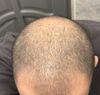
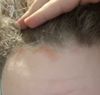
The user "OP" is frustrated with hair loss despite using oral minoxidil, topical finasteride, and oral dutasteride. Other users suggest keto shampoo, lifestyle changes, and low light laser therapy.
A 22-year-old is experiencing a receding hairline and has started using minoxidil and finasteride. They are considering using Jamaican black castor oil and are seeking advice on application and dosage, while also exploring microneedling and scalp massaging for hair regrowth.
How androgens, including testosterone, can cause hair follicles to miniaturize in people with sensitivity to androgens, and treatments such as finasteride, dutasteride, minoxidil, RU58841, or fluridil may be used in combination for long-term treatment.
The user has been using oral finasteride and topical minoxidil for 5 years, which stopped diffuse thinning but did not improve the hairline. They are considering a hair transplant and possibly starting dutasteride.
The post discusses hair loss treatment progress using oral finasteride 1mg daily for 6 months, with improvements in the hairline but not the crown. The user avoids minoxidil due to side effects and plans to try PP405 for better density.
A 19-year-old experiencing hair loss despite using minoxidil and finasteride for three months, with no family history of baldness except for maternal grandfather. The user is advised to continue the treatment for Androgenic Alopecia and not rely on home remedies.
The user reported significant hair regrowth using a topical treatment of 0.3% finasteride and 6% minoxidil, with noticeable progress in five months. The treatment is applied once daily, and the user experienced some initial shedding but no side effects.
A 21-year-old is experiencing severe hair loss despite using finasteride and minoxidil, and plans to try dutasteride. Others share similar struggles and suggest various treatments like RU58841, spironolactone, and hair systems, while emphasizing the emotional impact of hair loss.
The conversation humorously discusses hair loss and its treatments, specifically mentioning Minoxidil, finasteride, and RU58841. It highlights a transformation from hairline recession to significant hair regrowth.
A 30-year-old man shares his successful hair loss protocol, which includes finasteride, Nizoral shampoo, low-level laser therapy, microneedling, and past use of oral minoxidil. He plans to consider dutasteride and possibly hair transplants in the future, while advising caution with crown transplants before age 35.
A 28-year-old male shares his hair loss journey, starting with a hair transplant in February 2024 and using finasteride, later switching to dutasteride in January 2025. He has not used minoxidil and is satisfied with the results, despite some side effects like temporary nipple pain and a spike in libido.
A 50-year-old male has been using 0.5mg oral finasteride, 5% topical minoxidil, and weekly microneedling to combat hair loss, seeing progress with new hair growth. He plans to continue this regimen and evaluate results after 12 months.
A 20-year-old is experiencing worsening hair thinning despite using finasteride for 3 weeks and minoxidil for about a year, though inconsistently. They are seeking advice on how to proceed with their hair loss treatment.
An SSRI (paroxetine) reduced hair loss and itching for a user with male-pattern baldness, but liver issues forced discontinuation, leading to increased hair loss and anxiety. The user plans to try other anti-anxiety medications, noting stress and anxiety significantly impact hair loss.
Hair loss treatments, specifically the use of finasteride, topical minoxidil and dermarolling. Advice was given to upgrade these treatments for better results.
Hair loss is worsening despite using finasteride, oral minoxidil, and rosemary oil, possibly due to stress, hormone changes, and environmental factors. Improvement was noted with a soft water filter, but recent stress may have exacerbated the issue.
A 20-year-old discusses family denial about his hair loss, diagnosed with seborrheic dermatitis, folliculitis, and male pattern baldness. He is prescribed Dutasteride and oral Minoxidil for treatment.
Women also experience hair loss, especially post-menopause, often requiring lifestyle changes. Treatments include Scalp Micropigmentation, hair transplants, and sometimes finasteride, with underlying causes needing medical evaluation.
A 19-year-old male has seen no improvement in hair loss after 10 months on oral finasteride and 2 years on topical minoxidil, with hair thinning and a receding hairline continuing. One reply suggests getting tests to confirm if DHT is the cause of the hair loss.
User noticed thinning hair at 18-19, started finasteride at 22 and minoxidil at 24, with positive results. Others shared hair loss experiences and treatments, including finasteride, minoxidil, and hair transplants.
The user has been using a topical spray containing finasteride and minoxidil for six months but is experiencing increased hair shedding and concerns about its effectiveness. Suggestions include switching to oral finasteride and minoxidil, consulting a dermatologist, and checking for underlying health issues like thyroid function and nutrient deficiencies.
A user with mild psoriasis on the scalp is using finasteride, topical minoxidil, and dermarolling for hair loss but plans to stop minoxidil on the crown due to psoriasis aggravation. Suggestions include switching to a lipid-based minoxidil, using Ketoconazole shampoo, or trying oral minoxidil.
A user experiencing hair loss received three different diagnoses: androgenic alopecia, traction alopecia, and scarring alopecia, and tried treatments like minoxidil and finasteride without success. They are considering dutasteride but were advised to seek anti-inflammatory medication instead.
The user shared their hair loss journey, noting significant improvement after using finasteride since June 2024 and recently starting minoxidil in April 2026. They encourage others to have faith in treatments like finasteride, minoxidil, or other options.
Hair loss treatments, including PP405, minoxidil, finasteride, and RU58841, with hopes for future solutions. Participants discuss the emotional impact of hair loss and consider alternatives like hair transplants or acceptance.
The post discusses the positive results of an 11-month treatment with Finasteride and an 8-month treatment with Minoxidil foam for hair loss. The most noticeable improvement was seen around the 5-6 month mark.
A 43-year-old man regrets not starting finasteride earlier for his receding hairline, which has now progressed to NW3 with diffuse thinning. Other users share their experiences, highlighting the effectiveness of finasteride and hair transplants in managing hair loss, even in their 30s and 40s.
FalseHour6541's two-year experience with Minoxidil and Finasteride, resulting in good density on their crown; other users suggested a hair transplant to help reduce the receding hairline.