Search
for
Sort by
Community Join
60-90 / 1000+ resultscommunity Low Testosterone after taking finastreide
A 19-year-old experienced significantly low testosterone levels after one month of taking finasteride. Suggestions included checking test units, retesting, and exploring other potential causes.
community Seeking Advice on Overcoming Fear of Reinstating Finasteride After PFS Concerns
The user is anxious about potential side effects of finasteride, particularly PFS, and is considering reinstating it for hair loss treatment. They experienced anxiety-induced side effects previously and are seeking advice on overcoming their fear of restarting finasteride.
community Targeted Follicular Finasteride Delivery: A Low-Systemic Strategy
A peptide-based delivery system for finasteride shows promise in reducing systemic side effects while maintaining hair growth effectiveness. Combining this with other treatments like minoxidil and RU58841 could enhance results with lower systemic absorption.
community 3 month progress on Fina + Mino + some lifestyle changes
community Using fin and min for 6 months
community Fuzzy Feeling To Scalp?
The user has been taking oral finasteride for 2 months, experiencing more hair loss but noticing some fuzzy hair growth on the scalp. They are questioning if this new hair growth is significant.
community Fin long term user for 7 years
community 2 years on fin only :) EOD. No sides.
A user shared their 2-year progress using finasteride every other day with no side effects. Others discussed their experiences, shedding cycles, and patience with the treatment.
community Is Stemoxydine an appropriate vehicle for mixing topical finsateride?
community Connection between finasteride and nafld?
Finasteride may affect liver function and cortisol levels, potentially linking it to non-alcoholic fatty liver disease (NAFLD). More research is needed to understand this connection fully.
community Why I believe PFS is not a "real" condition (and what I believe it is instead)
The post argues that Post-Finasteride Syndrome (PFS) is likely not real and suggests symptoms may be due to mental health issues or the nocebo effect. The conversation includes personal experiences with finasteride, highlighting both positive and negative effects, and emphasizes consulting doctors and using reliable sources for medication.
community 6 month f/u appt with derm (6m - fin 1mg) sharing what I was told
A user experienced hair regrowth after 6 months on finasteride, which is earlier than the usual 12-18 months observed by their dermatologist. The dermatologist noted this as an exceptionally good response.
community 4 months progress on fin/min - so happy with it
community Lab results from actifolic RU58841
The post discusses the user's experience with hair loss treatment RU58841, which was tested for quality and found to be 96+% pure. The conversation includes various responses, with some users questioning the safety of the product and others expressing satisfaction with the test results.
community Thinking to start fin
The conversation discusses starting finasteride for hair loss, addressing concerns about side effects, dosage, and travel with the medication. It suggests taking the pill without overthinking side effects and reassures that carrying it on a plane is generally not an issue.

community Concerned About Asymmetrical Frontal Hair Loss and Recent Finasteride Use, Seeking Experiences
The user is experiencing asymmetrical hair loss at the frontal hairline and is concerned about potential conditions like frontal fibrosing alopecia. They have started using finasteride and pumpkin seed oil to address the issue.
community Finastride 1 mg Only, 5 months in
community Finasteride and Folic acid correlation?
Low folic acid may worsen side effects of finasteride. Consult a doctor for personalized advice.
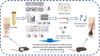
community Fucoidan Treatment Reverses Hair Loss and Inhibits Inflammatory Responses in a Mouse Model of Androgenetic Alopecia
Fucoidan may help regrow hair and reduce inflammation in androgenetic alopecia. It is unclear if simply mixing fucoidan powder into a serum for application is effective.
community Are Fin sides hereditary? And questions on steps to take before starting inc. supplements (22M)
A 22-year-old male experiencing hair thinning is considering starting finasteride but is concerned about potential side effects and hereditary factors. While waiting to access finasteride, he plans to use pumpkin seed oil, saw palmetto, biotin, and vitamins, and is advised to check blood levels before starting treatment.
community FIN ONLY: 6 month progress update and some questions
community 0.25 finasteride dosage every other day
community 5 Day Post-FUE Hairline Restoration
Hair restoration after FUE surgery, with discussions on using finasteride, dutasteride, and oral minoxidil for hair maintenance and growth. Users share experiences with these treatments, noting varying side effects and effectiveness.
community Coegin Pharma to release Follicopeptide (FOL005) by Q2 2025
Follicopeptide (FOL005) by Coegin Pharma will launch as a cosmetic hair growth treatment by Q2 2025, showing similar efficacy to finasteride. Users discuss the benefits and skepticism of releasing hair loss treatments as cosmetics rather than drugs.
community Finasteride 7 months results Feb - Aug
community If you were on finasteride, but experiencing negative symptoms and didn’t know about PFS, would you want someone to tell you?
Finasteride users discuss potential side effects, including Post Finasteride Syndrome (PFS), with varying opinions on its legitimacy and impact. Some users report side effects like changes in semen consistency and reduced pre-ejaculate, while others emphasize the rarity and reversibility of side effects.
community So it turns out Post Finasteride Syndrome was never real?
Post Finasteride Syndrome (PFS) is debated, with some users reporting severe side effects from finasteride, while others believe these effects are rare or psychosomatic. Treatments discussed include finasteride, minoxidil, and RU58841.
community Fin journey update, 4 years, 1mg oral daily
The user has been using 1mg oral finasteride daily for four years, experiencing significant hair regrowth and increased testosterone levels without negative side effects. They advise patience and monitoring for side effects, noting that their hair continues to improve with this treatment.