The conversation humorously discusses hair loss treatments, mentioning Minoxidil, finasteride, and RU58841. It jokingly credits a person for the potential success of a treatment called GT20029.
The conversation discusses using an apple cider vinegar shampoo bar as an alternative to Nizoral 2% ketoconazole due to excessive shedding. Users also mention starting minoxidil and considering finasteride, while exploring natural shampoo options to reduce scalp irritation and hair loss.
The conversation discusses using Dr. Bronner's unscented soap as a potential shampoo and the benefits of adding rosemary oil. One user suggests applying rosemary oil to the scalp before washing.
The conversation is about finding effective shampoos and conditioners for dandruff, excluding ketoconazole. The user mentions trying Paul Mitchell Tea Tree shampoo and Purology, and seeks at-home treatment recommendations.
Keratin microspheres may offer additional mechanisms to combat hair loss compared to minoxidil. The process to create these microspheres is relatively simple and can be done at home with basic equipment.
The user experienced temporary peach fuzz growth using a product with procapil and later tried minoxidil and finasteride without significant results. Their boyfriend has used minoxidil and finasteride consistently for over five years with sparse hair improvement.
Pelage executives' hairlines were discussed, with speculation about them using PP405 for hair regrowth. Concerns were raised about using untested drugs, with some suggesting executives might not risk using them without safety data.
The user is using Nizoral shampoo, Nioxin shampoo and conditioner, Walmart brand Rogaine, Propecia, and a dermaroller to address hair loss. They seek advice on the frequency of Rogaine application, the use of Nizoral and Nioxin, and the effectiveness of essential oils like sandalwood.
The conversation is about organizing hair regrowth results using a standard format in a single post for easier access. Treatments mentioned include oral minoxidil, oral finasteride, and dermarolling.
The user shared impressive hair growth results after 7 months using a regimen of dutasteride, topical minoxidil, and biotin, alongside a healthy lifestyle. The conversation humorously discusses extreme and unconventional hair loss treatments, with many users expressing amazement and curiosity about the progress.
Hair loss discussion includes broccoli sprouts treatment, Fluridil 7%, and sulforaphane, with mixed results. Finasteride, minoxidil, and RU58841 are preferred by some users.
Combining therapies like scyllo-inositol, alpha-ketoglutarate, and autophagy-inducing supplements may enhance hair growth and prevent hair loss. Reporting individual results can accelerate progress in hair loss treatments.
The user experienced side effects from finasteride and Nutrafol, opting for non-hormonal treatments like minoxidil, exercise, and a healthy lifestyle. Others discussed using Dutasteride, Biotin, and minoxidil with varying success and side effects.
Applying vitamin E capsules, specifically tocotrienols, on the scalp for hair regrowth. Users are skeptical about its effectiveness due to lack of evidence.
The user treated traction alopecia for over a year using Nutrafol, rosemary oil, topical and oral Minoxidil, dermarolling, biotin, collagen, and vitamin D, and shared progress photos to inspire others on their hair growth journey. They also acknowledged the community and a specific person for support and encouragement.
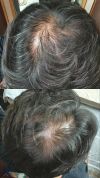
A user with diffuse thinning noticed stubble-like hairs on their scalp after using 2% ketoconazole shampoo, dermarolling, castor oil, Vitamin D3, biotin, and iron supplements. They are unsure if this indicates regrowth or miniaturized hairs.
Hair fibers can effectively cover thinning hair when used with minoxidil and hairspray but require daily application and can be inconvenient in certain conditions. Some users prefer treatments like finasteride, dutasteride, microneedling, or wigs due to the maintenance and limitations of hair fibers.
The conversation discusses hair loss treatments, specifically Brassica oleracea extract, glucosinolates, and sulforaphane, and their potential to promote hair growth. Users also mention minoxidil and finasteride as existing treatments.
A 23-year-old user shares their hair regrowth journey, questioning if genetics or other factors are at play. They use Rogaine, finasteride, vitamin B12, biotin, Thera M Plus, and derma stamping, and seek advice on their regimen and hair growth patterns.
A user is experiencing mild hair loss and is hesitant to try finasteride due to potential side effects. They are considering using Research Verified Hair Growth, which contains various vitamins and minerals, and are seeking opinions and experiences from others.
The user is using RU58841, Revivogen, Regenepure ketoconazole shampoo, and plans to use a stimufield cap to address hair loss. They aim to avoid finasteride and minoxidil while hoping to stop hair loss and regrow hair.
A user's father, mostly bald for 20 years, is regrowing hair using a serum called "Skrzypovita Serum Pro" without minoxidil. The user is curious about which ingredients might be causing hair growth.
Skin, Hair, and Nails by Pharmekal was withdrawn from the market. Users discuss alternative supplements and treatments like Minoxidil, finasteride, and RU58841.
The conversation discusses potential hair loss treatments, including Setipiprant, Bimatoprost, and Follicept. The user encourages signing up for Follicept, which may come to market soon.
Hair loss treatments like minoxidil, finasteride, and dutasteride, with mixed results and suggestions for combining treatments or considering hair transplants. Some users experience no improvement or side effects.
The conversation is about hair loss treatments, specifically discussing the effectiveness of Red Ginseng Extract in promoting hair growth. Other treatments mentioned include Minoxidil, finasteride, and RU58841.