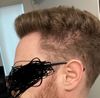
A 28-year-old male is experiencing hair loss, itching, soreness, and numbness on the scalp, with symptoms including dry, brittle hair and scalp irritation. Treatments tried include Nizoral, salt water, various oils, and antihistamines, with limited success; a chemist suggested a possible fungal infection, while a doctor suspected male pattern baldness.
The user is considering switching from topical to oral minoxidil for convenience and better hair regrowth, despite concerns about side effects. They are also tapering off finasteride while starting dutasteride.
The user started using topical finasteride three days ago alongside minoxidil and is experiencing testicular pain, which they believe is a nocebo effect. They are anxious about the dosage and seeking advice on whether increasing the application frequency affects the overall dosage.
A user experienced a painful rash from both liquid and foam minoxidil, suggesting an allergy to minoxidil itself. They are seeking others with similar experiences.
Switching milk brands cleared scalp inflammation and other symptoms, but hair shedding continues. The user hopes shedding will stop as hair cycles progress.

Quitting RU58841 after over two years reduced scalp itching and inflammation, despite concerns about losing hair gains. The user continues using finasteride and oral minoxidil.
The user discusses experiencing side effects from topical finasteride but not from oral finasteride, seeking advice on this issue. They mention a gradual increase in oral finasteride dosage with no side effects.
The conversation discusses using PGE2 as a hair growth stimulant, comparing it to minoxidil, and considering the addition of Setipiprant. Concerns about side effects like skin damage and cost are also mentioned.
Users discuss their experiences with finasteride, expressing regret over delayed use due to misinformation and sharing mixed outcomes, including side effects and benefits. Treatments mentioned include finasteride, dutasteride, and minoxidil.
Probiotics like L. reuteri ATCC PTA 6475 and B. longum BB536 may improve hair growth and density by reducing inflammation and reversing DHT damage. The user is trialing these probiotics personally, ordering them from the U.S. to Canada, and plans to continue if no adverse effects occur.
The user is experiencing an allergic reaction to propylene glycol in Kirkland minoxidil and is considering switching to a foam version or a low-PG minoxidil solution. They are also contemplating oral minoxidil but are concerned about its long-term safety.
RU58841 is not FDA approved, and users are discussing its availability and legitimacy in India, with some mentioning brands like Vantanex and Capomil. One user warns about the risk of gyno from RU58841, advising to stop use at the first sign of sensitivity.
The user is experiencing hair regrowth with oral minoxidil and dutasteride but still has fragile hairs that easily pluck out from the front center. Despite improvements, the user is concerned about the persistent fragility and shedding of these hairs.
A user reports high DHT levels despite taking finasteride and is concerned about inconsistent blood test results. They also take modafinil, vitamin D, and magnesium supplements.
A user experienced increased hair density loss after 4 months on dutasteride combined with finasteride. They are also using topical dutasteride with azelaic acid and alfatradiol but cannot tolerate antiandrogens like RU58841 due to headaches.
Gizzela is unsure about the dosage and frequency of copper peptides and asks if they can be used with Stemoxydine. They seek advice on applying these treatments together.
The user has chronic itchy scalp and dandruff, unresponsive to ketoconazole, selenium sulfide, zinc pyrithione, coal tar, and salicylic acid. Topical steroids were also ineffective for long-term use.
A user is concerned about starting finasteride due to negative reports and potential side effects. Other users suggest talking to a doctor, considering personal tolerance, and note that side effects are rare.
The user experienced initial hair improvement with finasteride but noticed worsening hair loss after switching to dutasteride. They are considering returning to finasteride due to persistent hair shedding and scalp itch.
A 26-year-old male is unhappy with his current hair loss routine, which includes microneedling, ketoconazole shampoo, and a topical formula with Minoxidil, Finasteride, and other ingredients. He struggles with consistency due to ADHD and is considering switching to oral medication for simplicity, but is concerned about side effects and effectiveness.
The user reports that using topical Dutasteride has stopped their hair loss, and they are curious about potential side effects and regrowth. They also mention having scalp psoriasis and past SSRI use affecting libido.
The user is experiencing increased hair shedding and is concerned about regression despite consistent use of finasteride, minoxidil, and other treatments. The consensus is that this is likely a temporary shedding phase, and adjustments to the dermarolling frequency are suggested.
The user has been using finasteride and minoxidil for hair loss but experienced worsening temple recession. They suspect they might be more sensitive to testosterone and are considering trying RU58841 or CB 03 01 as additional treatments.
Topical minoxidil with tretinoin is causing redness, stinging, and flaking on the scalp. Reducing application frequency and using anti-dandruff shampoo may help alleviate symptoms over time.
The user has been using 0.25% topical finasteride for eight months with slight improvement and is considering switching to oral finasteride for convenience and potentially better results. Increasing the topical concentration to 0.33% or 0.5% is also an option, but oral finasteride may have more systemic side effects.
A user experienced mild side effects from 0.5mg finasteride daily, including increased estradiol and minor gynecomastia. They are considering taking a low dose of exemestane to reduce estrogen levels.
AH-001 is a new topical treatment designed to degrade androgen receptors, targeting the root cause of androgenetic alopecia without the side effects of oral treatments like finasteride. It has shown a strong safety profile and good local tolerability in early trials.
Topical finasteride with hydroxypropyl chitosan shows significantly less serum absorption and minimal DHT reduction compared to oral finasteride. Users need the specific chitosan formulation to avoid side effects seen with regular ethanol+PG solutions.