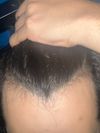
A 17-year-old female is worried about hair loss, noticing thinning and bald spots. She plans to try burdock oil and castor oil, and if needed, Jamaican castor oil.
The user experienced significant hair growth using oral minoxidil and finasteride over nine months. The progress was well-received, with many noting impressive results.
The conversation discusses the potential effects of soy isoflavones on hair loss, suggesting soy might counteract DHT due to its estrogenic properties. It also touches on the legitimacy of sources and anecdotal stories about soy consumption.
The user shared their hormone levels over time while using finasteride and dutasteride for hair loss. They experienced a significant drop in DHT levels but continued to lose hair, hoping for better results in the future.
A 20-year-old started taking 1mg oral finasteride and 3mg oral minoxidil every other day for hair loss. They plan to focus on their hair and health over the summer and will update in November.
The user experienced significant hair regrowth over 8 months using finasteride, minoxidil, and a custom topical mix including progesterone, cortisone, and alpha 5 estradiol. They reported no side effects and noticed improvement around the third month.
A user shared their positive experience with finasteride for hair loss, noting improved hair thickness and some regrowth after a year of use. They also mentioned using peppermint oil, collagen, Nizoral, zinc supplements, and hair and mane shampoo and conditioner.
A 23-year-old male shared his 6-month hair loss progress using Minoxidil, Finasteride, Ketoconazole shampoo, microneedling, and vitamin supplements. He noticed hair loss at 19, which accelerated during the pandemic.
A 25-year-old male experiencing diffuse thinning is advised to address high TSH levels and low iron, and consider treatments like finasteride. Weight loss and improved diet are also suggested to potentially help with hair health.
Most people using finasteride, minoxidil, or dutasteride for hair loss experience maintenance or regrowth, but they often don't discuss it publicly. Online forums may not accurately represent the typical success rates, as satisfied users rarely share their positive outcomes.
Significant hair regrowth was achieved using 0.5mg oral finasteride, a topical mix of finasteride and minoxidil, and dermastamping. Initial side effects like achy testicles were managed by adjusting the regimen.
The user started using finasteride (0.5mg daily) and oral minoxidil (2.5mg daily) at 18, leading to healthier, thicker hair and reduced anxiety about hair loss. They experienced no negative side effects and plan to continue the treatment.
A person shared their experience with teenage male pattern baldness, advising teenagers to involve their parents, consult medical professionals, and not self-medicate. They discussed using minoxidil and finasteride, including a topical combination of both, as potential treatments under professional supervision.
High estradiol levels may contribute to erectile dysfunction (ED) and can be addressed with lifestyle changes or medication. It's important to consult a medical professional for treatment options.
The user shared a 4-month update on their hair regrowth journey using finasteride, minoxidil, and microneedling, reporting significant progress and styling ability. They emphasized persistence, shared their regimen details, and addressed side effects like weaker erections and blurry vision, which improved with lifestyle changes.
The conversation is about someone planning to start finasteride for hair loss and wanting to interpret pre-treatment blood panels to assess the risk of side effects like gynecomastia. They list various tests to measure hormone levels and other health indicators.
A user is experiencing hair loss at NW 5 and is using finasteride, which is causing side effects like dry eyes and loss of libido. They are considering continuing with minoxidil and finasteride or opting for a hair transplant, feeling depressed about their situation.
A user with Androgenetic Alopecia is seeking advice on hair growth treatments while planning for pregnancy. Current routine includes LaserCap, Nizoral Shampoo, scalp massage, The Ordinary Multi Peptide Serum, vitamin D, prenatal vitamins, and SEEN shampoo.
The conversation is about a person who started using finasteride, minoxidil, and a dermaroller for hair loss in September 2023 and has seen significant improvement after 3 and a half months. Other users are expressing happiness and support for the progress made.
Diffuse thinning is often due to androgenetic alopecia, and DHT blockers like finasteride are recommended. Treatments mentioned include minoxidil, finasteride, dutasteride, and RU58841, with emphasis on starting early and using a holistic approach.
A user successfully regrew hair after nearly going bald by using oral finasteride, topical minoxidil, plasma injections, and mesotherapy over 9 months. They plan to try derma rolling and have an alarm set for taking medication, noting increased sexual drive as a side effect.
Significant hair regrowth was achieved over six months using minoxidil, finasteride, microneedling, biotin and collagen shampoo, and MSM powder. The user feels more confident and may consider a hair transplant if necessary.
A 20-year-old feels defeated about hair loss and struggles with consistent minoxidil use due to ADHD. They plan to visit an endocrinologist for finasteride and consider shaving their head while continuing treatments.
The user shared progress pictures comparing hair from February 2024 to September 2025, using Dutasteride since May 2020 and Minoxidil since April 2023. Another user noted that progress can't be assessed without before and after photos spaced months apart.