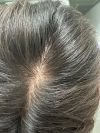
Finasteride may help users look younger by suppressing DHT, affecting skin and hair. Users also emphasize skincare, sunscreen, and lifestyle for maintaining a youthful appearance.
A child accidentally took Avodart, leading to concerns about DHT suppression and its effects. Users humorously discuss potential consequences and treatments like DHT injections and topical solutions.
KX-826 initially improves hair growth but declines after 24 weeks, with mild itching as a side effect. Combining it with minoxidil and finasteride may improve results, but long-term effectiveness is uncertain.
Dutasteride at 0.5 mg and 2.5 mg doses may eventually yield similar hair growth results over time, with 0.5 mg being sufficient for many users. Higher doses may not significantly increase benefits and could lead to diminished returns.
Clascoterone (Breezula) shows a potential 500% increase in hair growth, possibly outperforming minoxidil and finasteride. It is in advanced trials, with hopes for FDA approval, but cost and side effects are concerns.
Cyclosporine A is discussed as a powerful hair growth stimulant, potentially more effective than minoxidil, but concerns about safety and side effects, including cancer risk, limit its use. The conversation highlights the need for further research and experimentation with topical application, despite its risks.
Higher doses of dutasteride, like 2.5 mg, may offer more hair growth than 0.5 mg, but the difference is not significant for most people. Many users find 0.5 mg effective, and increasing the dose is often unnecessary unless experiencing severe hair loss.
Minoxidil gains are not permanent without continued use, even with DHT suppression. Combining treatments like Dutasteride, Finasteride, and RU58841 may help maintain hair, but stopping Minoxidil typically results in hair loss.
Minoxidil is often applied once or twice daily for hair growth, but many find it inconvenient and switch to once daily or oral minoxidil for ease. Some users combine it with finasteride for better results, despite potential side effects.
Minoxidil is not an anti-androgen; it is a growth stimulator and does not lower DHT like finasteride or dutasteride. Minoxidil can cause side effects like facial swelling and anxiety due to its vasodilator properties.
Androgenetic alopecia is caused by DHT affecting hair growth. Finasteride and minoxidil are used to manage hair loss by blocking DHT and promoting hair growth.
Whether topical caffeine can be as effective for hair growth as minoxidil and finasteride, with various replies discussing the efficacy of these treatments and criticism of Dr. Huberman's research methods.
Clascoterone 5% solution (Breezula) is a promising alternative for androgenetic alopecia, showing continued hair growth with consistent use and no significant side effects. It may be suitable for those who cannot tolerate finasteride or dutasteride, especially when trying to conceive.
A peptide-based delivery system for finasteride shows promise in reducing systemic side effects while maintaining hair growth effectiveness. Combining this with other treatments like minoxidil and RU58841 could enhance results with lower systemic absorption.
A user successfully halted hair loss using finasteride for 17 years and recently switched to dutasteride for stronger DHT suppression. They experienced no major side effects, maintained a full head of hair, and fathered three children without issues.
A dutasteride simulator predicts that daily 0.5 mg dosing results in higher DHT suppression compared to less frequent dosing. Twice-weekly dutasteride may be as effective as finasteride 5 mg, providing a balance between efficacy and ease of use.
The conversation is about the effectiveness and safety of using 2.5mg of Dutasteride for hair loss. Users discuss the high scalp DHT suppression rates but caution against high doses due to potential side effects and recommend consulting a doctor.
The user has been on finasteride for 4.5 years and minoxidil for 10 years, maintaining hair but not regrowing much on the crown and temples. They are considering using a dermastamp more frequently and possibly trying RU58841, but are hesitant about dutasteride due to concerns about side effects and DHT suppression.
A user on dutasteride for hair loss noticed hair regrowth on their head but a significant reduction in body hair growth. They plan to switch to finasteride and dutasteride and are considering testosterone replacement therapy but are concerned about its effects on hair growth.
Focus on scalp health, not just DHT suppression, is crucial for hair regrowth. Effective treatments include Hair Restoration shampoo, LLLT laser cap, microneedling, and topical finasteride.
Adipose fat cells and stem cells may help treat hair loss by restoring the scalp's thickness. Treatments like NanoFat injections and Botox are discussed for their potential to promote hair growth.
A user shared a blog post by "swissTemples" claiming to have reversed hair loss using a combination of treatments including suppressing PGD2 and increasing PGE2. The user noted that "swissTemples" has been banned from forums, possibly due to conflicts of interest.
PP405 is the most promising future treatment for hair loss, aiming to reactivate dormant hair follicles. Clascoterone 5% is the most promising near-term drug, while current strategies include using finasteride or dutasteride to stabilize hair loss and minoxidil to stimulate growth.
The conversation discusses the frustration over the unavailability of 2.5mg dutasteride soft gels, with some users suggesting higher doses for better scalp DHT suppression. Concerns about side effects and the necessity of DHT are debated, with some users advocating for alternative treatments like RU58841 and oral minoxidil.
Beard gains from minoxidil are usually permanent due to facial hair follicles' lower sensitivity to DHT. Scalp hair requires ongoing DHT suppression with treatments like finasteride, dutasteride, and RU58841 to maintain gains after stopping minoxidil.
The user is experiencing early hair thinning and is currently using finasteride and ketoconazole shampoo. They are considering adding minoxidil or switching to dutasteride for stronger DHT suppression, while also checking for iron deficiency.
Dutasteride and finasteride are effective for many in reducing hair loss by lowering DHT levels, though results vary based on individual sensitivity and genetics. Higher doses of dutasteride may not significantly increase hair growth due to diminishing returns, and topical finasteride is suggested as an alternative for some.
Finasteride may seem less effective over time due to increased DHT sensitivity or aging, but it still suppresses DHT. Switching to dutasteride offers stronger DHT suppression but may increase estrogen levels.
The conversation is about a transgender individual's experience with hair regrowth using topical minoxidil and hormone replacement therapy (HRT), expressing concern about the slow growth and thin appearance of their hair. Some responses encourage patience and highlight the variability of results, while others discuss the role of HRT and its effects.
The user has been using 1mg finasteride, 2% ketoconazole shampoo, vitamins, and growth shampoo for 7.5 months to treat hair loss and is considering switching to 0.5 mg dutasteride due to slight recession and persistent symptoms. Another user commented that the user's temples appear to have improved, especially in the latest photo.