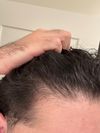
The user has been experiencing continuous hair loss despite using finasteride, minoxidil, and dermastamping. They are seeking advice on what to do next.
A user experienced hair thinning possibly due to excess vitamin A from taking extra gummy vitamins. They stopped taking the vitamins and are seeking advice on hair regrowth and managing vitamin A levels.
The user has been taking 0.5 finasteride for 10 months and wants to repeat blood tests, including estradiol. However, their doctor is reluctant to test estradiol, arguing it's typically low in men, and the user is considering seeking a second opinion.
A user experienced rapid hair loss despite taking finasteride 1mg and undergoing PRP treatment. They also take a supplement with biotin, iron, zinc, and calcium but have not seen improvement.
The conversation discusses the cost and insurance coverage of a comprehensive hormone and DHT blood panel for hair loss, with a focus on finasteride treatment. The user seeks a cheaper alternative to a $700 panel recommended in a video.
A user took finasteride for hair loss 10 years ago, stopped after a month, and has since suffered from severe erectile dysfunction (ED) and other symptoms. They shared blood test results seeking advice for their condition, and others discussed similar experiences with finasteride and related drugs.
The user experienced no improvement in hair loss with finasteride and minoxidil but had side effects. They plan to add wounding, scalp massage, vitamin K, and taurine supplements to their regimen and seek feedback on these additions.
PRP treatments have been effective for the user, with a new recommendation of using a high-quality plasma kit once a year. The user seeks experiences with this specific PRP approach.
A user experienced hair loss due to a folic acid deficiency and saw hair regrowth after taking a folic acid supplement. They advise checking for a folic acid deficiency before spending money on other treatments.
The user is experiencing diffuse hair thinning despite using finasteride and oral minoxidil, with no hairline recession or bald spots. Suggestions include checking for telogen effluvium, considering a JAK inhibitor for potential autoimmune issues, and conducting further tests to rule out other causes.
A 20-year-old male has been experiencing hair loss for three years due to a vitamin D deficiency and has seen no improvement after 3.5 months of taking supplements. Another person suggested that if the hair loss follows a pattern, it might be regular baldness rather than due to the deficiency.
People discuss hair loss treatments like finasteride, dutasteride, and minoxidil, debating side effects and effectiveness. Concerns about side effects, especially sexual ones, are common, with varying opinions on dosing strategies.
The conversation is about using vitamin C and Magnesium L-Threonate for hair growth by reducing DHT binding to dermal papilla cells. The original post about vitamin C's pH levels and sebum control was possibly removed by a moderator.
A 31-year-old man who previously had good results with minoxidil, finasteride, and nizoral for hair loss is now experiencing unusual hair loss and side effects from finasteride. Respondents suggest it might be severe retrograde alopecia and recommend exploring other treatment options due to his inability to tolerate finasteride.
A user with high pre-finasteride estrogen levels is asking if they need to normalize their hormone levels before starting finasteride and whether they should postpone dermarolling until they begin finasteride. The user is 21.5 years old.
The conversation discusses various absurd theories about the causes of male pattern baldness, with some users suggesting treatments like oral dutasteride. It highlights misinformation and humorous myths, such as hair loss being linked to testosterone levels or masturbation.
A user is considering starting finasteride for hair loss and shares their hormone levels, with others suggesting checking SHBG and discussing potential side effects. Some recommend starting with 0.5 mg finasteride, while others suggest considering dutasteride.
Intense microneedling with heavy pressure and bleeding did not improve hair growth after 4 months. The user advises against this method, noting no benefits and potential harm, and mentions using minoxidil without success.
Discussing and researching different treatments for hair loss, including RU58841, Dutasteride, Spironolactone, Retin-A, Stemoxydine (Neogenic), Copper peptides, Superoxide Dismutase, NANO, and Eucapil.
A 34-year-old woman is experiencing diffuse hair loss and irregular periods, possibly due to long-term spironolactone use. She is considering minoxidil and finasteride for treatment and seeking medical advice for androgenic alopecia and hormonal imbalances.
The user is applying topical finasteride with stemoxydine for hair loss and has noticed hair thickening but no regrowth after two months. They also report high SHBG and prolactin levels and a lack of morning erections, even on low doses of medication.
The user has been treating hair loss for over 11 years with various methods including Minoxidil, Keto shampoos, vitamins, and microneedling, but has avoided Finasteride due to fertility concerns. They have recently added Zix and The Ordinary Serum to their routine and are questioning their high DHT levels despite their efforts.
Dr. Bloxham's trial is testing verteporfin on hair transplant patients to see if it can improve hair regrowth in treated areas. People are discussing the potential for follicle regeneration, expected results timeline, and concerns about side effects like cancer.
The user switched from topical to oral finasteride and minoxidil for hair loss and experienced swelling and sensitivity in the left chest area. They are concerned about these symptoms but noticed improvement after skipping a dose.
TE (telogen effluvium) is often misunderstood and is triggered by severe stress or trauma, not minor daily inconveniences. Most hair loss cases are due to male pattern baldness (AGA), and treatments like Minoxidil and finasteride can help.
Hair loss therapies focusing on hair follicle sugar metabolism and aldose reductase. Potential treatments include magnesium supplements, avoiding high glycemic index foods, and antioxidants.
The user was rejected from participating in a clinical trial for an extended-release oral Minoxidil due to having rheumatoid arthritis, despite initially being accepted. They had stopped using Dutasteride and Minoxidil to qualify but continued using other treatments like RU58841 and red light therapy.
Male pattern baldness (MPB) may be an early warning sign for type 2 diabetes due to its association with insulin resistance. Treatments discussed include testosterone therapy and finasteride, which affects hormone levels related to hair loss and insulin sensitivity.
The user is experiencing severe hair loss and color change despite low testosterone levels and healthy lifestyle changes. They have tried ketoconazole shampoo and consulted a dermatologist, who found no scalp issues but suggested using Toppik for coverage.
A user experienced hair thinning and scalp issues after using a sebum-regulating shampoo and perm treatments. They are advised to consider potential allergies, try a simple shampoo, and research treatments like finasteride for possible male pattern baldness.