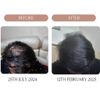
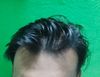
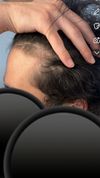
The post discusses using ImageJ software to objectively track hair regrowth progress. The user is treating Androgen alopecia with dutasteride and minoxidil.
The conversation is about using Ketoconazole shampoo for hair loss, with users discussing leaving it on the scalp for longer periods. Some users report benefits for dandruff, but there's uncertainty about its effectiveness for androgenetic alopecia (AGA).
The individual is using oral minoxidil and finasteride to treat androgenetic alopecia with good results but is considering stopping due to concerns about long-term effects on the heart and potential hair dependency on the medication. They are also contemplating the impact of hair loss on gender dysphoria and considering the use of wigs as an alternative.
A 24-year-old male with androgenetic alopecia is using a treatment of Dutasteride 0.5 mg, oral Minoxidil 2.5 mg, L-cysteine, and a Ketoconazole/Caffeine/CBD shampoo. He's considering using a dermaroller to improve results, taking biotin and iron vitamins, and quitting nicotine due to its potential link to hair loss.
A female user in her mid-20s with androgenetic alopecia and suspected telogene effluvium who has been taking Dutasteride, Spironolactone, Minoxidil, Dermarolling, Ketoconazol shampoo, and Yaz contraception for her hair loss for the past 6 months. She had a small shed during this time that she believes to be stress related.
Hyperbaric Oxygen Therapy (HBOT) is discussed as a potential treatment for androgenic alopecia due to its ability to reverse hypoxia and promote angiogenesis. The conversation explores its potential benefits for hair loss, though no studies have been conducted on this application yet.
Alfatradiol (0.025%) is an effective and safe treatment for androgenetic alopecia in both men and women, increasing anagen hair rates with minimal side effects. Users discuss its cost-effectiveness and ease of use compared to other treatments like finasteride and RU58841, with some combining it with stemoxydine and Minoxidil.
The conversation is about the importance of acting quickly against hair loss. The user shares their experience with androgenic alopecia and mentions using finasteride without improvement.
The conversation discusses using cetirizine (Zyrtec) topically to relieve scalp itch associated with hair loss and suggests it may also benefit androgenetic alopecia (AGA). One person found relief from scalp itch after three months on finasteride, noting the itch was linked to areas where hair was lost.
Safflower oil is suggested as an alternative to minoxidil for hair growth, with benefits including scalp conditioning and hair strength enhancement. Studies indicate it may also reverse scalp dermatitis, alopecia, and prevent premature grayness.
Low-Level Laser Therapy (LLLT) is seen as a safe and effective method for maintaining hair and promoting regrowth in androgenetic alopecia (AGA) and male pattern baldness (MPB), with devices like the HairMax LaserComb® and iRestore helmet being popular. Some users and professionals are skeptical about its long-term effectiveness and cost.
Delayed release oral minoxidil is seen as a promising advancement for hair loss treatment, offering safer, higher doses and more consistent hair follicle stimulation compared to current options. However, it is not expected to replace finasteride or dutasteride, as it does not prevent androgenetic alopecia.
A 19-year-old plans to start Dutasteride 0.5mg three times a week to combat genetic alopecia and preserve hair density, with concerns about potential shedding before prom. Users suggest starting the treatment after prom to avoid shedding, and provide advice on where to purchase the medication.
An 18-year-old has been using 5% topical minoxidil for 2 months for hair loss, with a history of vitamin D deficiency and thyroid imbalance. Users suggest starting finasteride and blocking DHT for androgenetic alopecia (AGA).
Aloe vera gel can help reduce scalp inflammation and "DHT itch" associated with hair loss, particularly in those with androgenic alopecia and seborrheic dermatitis. It's suggested to use aloe vera alongside treatments like finasteride and ketoconazole shampoo to manage symptoms and promote scalp health.
A 21-year-old male shares progress pictures showing improvement in hair growth using daily topical minoxidil 5%, microneedling 1.25mm, and 500mg of saw palmetto. He reports new and healthy hair growth, indicating success in managing androgenic alopecia.
A user shared their 3-month progress using Minoxidil 5% Topical and dermarolling for androgenic alopecia, with plans to start finasteride. Other users commented on the impressive results and shared their own experiences with hair loss treatments.
A user in France is frustrated because three dermatologists refused to prescribe finasteride for their hair loss, suggesting it's not androgenetic alopecia (AGA) and offering expensive vitamin treatments instead. Other users suggest buying hair loss treatments like minoxidil and finasteride from various online pharmacies and considering a gender-affirming care physician for more understanding treatment options.
The conversation is about the role of vitamin deficiencies in hair loss and the effectiveness of treatments like Minoxidil, finasteride, and RU58841. It concludes that while vitamins and nutrition are important, they are not the primary solution for androgenic alopecia.
The conversation discusses using a multimodal approach to treat androgenic alopecia, including substances like gamma-linolenic acid, DHA, sulforaphane, melatonin, cetirizine, astaxanthin, fisetin, apigenin, curcumin, limonene, genistein, and berberine. Users also mention using ketoconazole, minoxidil, and low-level laser therapy (LLLT) as part of their hair loss treatment regimens.
A 21-year-old with a family history of early balding is advised to see a dermatologist to confirm androgenetic alopecia (AGA) and consider treatments like finasteride or dutasteride to prevent further hair loss, and minoxidil, possibly with tretinoin, to regrow hair. Caution is advised with oral minoxidil, and a cardiologist should be consulted before use.
The user has been using 1mg finasteride and 2.5mg oral minoxidil daily for 18 months without success in treating hair loss. They are frustrated with their diffuse androgenetic alopecia and unsure of what to do next.
Minoxidil may inhibit androgen receptors and affect hormonal pathways, potentially explaining its effectiveness in treating androgenetic alopecia (AGA). Users discuss its varying effectiveness on scalp versus facial hair and note fewer side effects with topical use compared to oral.
Dr. Muñoz's discovery suggests that targeting potassium channels in fibroblasts could reactivate hair growth, offering new treatment possibilities for alopecia. Potential strategies include using minoxidil, diazoxide, and other potassium channel openers, as well as bioelectric devices and direct growth factor applications.
A user is interested in Absci's AI-driven antibody platform, ABS-201, for treating androgenetic alopecia, which shows promising preclinical results and potential for hair regrowth and pigmentation restoration. However, concerns are raised about the drug's development timeline and its advantages compared to existing treatments.
The user shared progress photos after using minoxidil 2.5mg and dutasteride 0.5mg daily for hair growth, starting in summer 2024. They reported no noticeable side effects and confirmed androgenetic alopecia in 2024.
White apple cider vinegar is unlikely to cure baldness, and skepticism is expressed about its effectiveness. Users suggest that hair loss might be due to other conditions like Telogen Effluvium or alopecia areata, which can resolve on their own.
Belgium disagrees with the EMA and does not authorize the 1 mg oral form of finasteride for androgenic alopecia, citing a negative benefit-risk ratio. Despite this, some individuals in Belgium can still obtain finasteride through prescriptions, and there is debate over its mental health risks versus its benefits for hair loss and other health issues.
Elevated bile acids can inhibit the enzyme AKR1C2, leading to increased DHT levels, which may accelerate hair loss in those predisposed to androgenetic alopecia. Treatments mentioned include topical minoxidil and finasteride.
Progesterone, hydrocortisone butyrate, and estrone base are discussed as treatments for hair loss. Topical progesterone and dutasteride are suggested to potentially reverse androgenic alopecia.