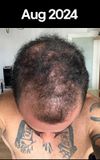
Finasteride and minoxidil can revive hair dormant for up to 7 years, with microneedling enhancing regrowth. Users report significant hair regrowth even after long periods of baldness.
The user is using a combination of hair loss treatments including finasteride, stemoxydine, oral minoxidil, RU58841, dermastamping, ketoconazole shampoo, collagen, Viviscal, and biotin, and has improved their diet. Despite these efforts, they are still experiencing hair shedding and scalp itchiness, and are considering increasing their minoxidil dosage or starting dutasteride.
A user expressed disappointment that their hair loss worsened after 11 months using topical finasteride with TrichoSol, despite no side effects and initial signs of improvement. They asked for advice and opinions on their treatment and alternatives, with suggestions including switching to oral finasteride or dutasteride, starting minoxidil, and addressing their seborrheic dermatitis with different shampoos or medical advice.
A 22-year-old male is experiencing hair loss due to seborrheic dermatitis, not male pattern baldness, and is seeking advice. Suggestions include using Nizoral, sulfate-free and ketoconazole shampoos, cutting hair short, using cold water, avoiding picking scabs, and trying selenium sulfide shampoo or finasteride.
The user has been using a topical spray containing finasteride and minoxidil for six months but is experiencing increased hair shedding and concerns about its effectiveness. Suggestions include switching to oral finasteride and minoxidil, consulting a dermatologist, and checking for underlying health issues like thyroid function and nutrient deficiencies.
A compounding pharmacist offers affordable topical finasteride foam with Anagain and micro-dose finasteride capsules for hair loss. They provide telehealth services across Canada and private appointments for international patients.
A 25 year old male who has been using finasteride and dutasteride for two years to treat his hair loss, with no success. Other treatments such as oral minoxidil, topical anti-androgens, RU58841, latanoprost, topical estrogen, CB 03 01, microneedling, keto 2% shampoo, vitamin D, Omega 3, B vitamins and probiotics were discussed.
A user was prescribed Alpicort E, which contains Estradiol Benzoate, Prednisone, and Salicylic Acid, for hair loss and is seeking others' experiences due to concerns about potential side effects.
Individuals discussing hair loss treatments, including finasteride and minoxidil, express mixed results and concerns about effectiveness after two years. Some consider switching to dutasteride or exploring other options like hair transplants.
Hair loss treatments like finasteride, minoxidil, and dutasteride require patience, as they can take months or years to show results, with initial shedding being common. Consistency is key, and unnecessary supplements should be avoided to prevent stress and impatience from worsening the situation.
Hair loss treatments discussed include Minoxidil, Finasteride, and RU58841. Pyrilutamide Phase 2 results are expected in June 2022, with hopes for a better alternative to current treatments.
Cetirizine 10mg daily reduced hair shedding by 50% and lessened scalp itchiness. The user is considering long-term use for scalp inflammation and hair loss.
The user is experiencing hair loss despite using dutasteride, minoxidil, and ketoconazole shampoo, and is concerned about continued shedding. Suggestions include checking for nutrient deficiencies, consulting a dermatologist, and considering other potential causes like seborrheic dermatitis or telogen effluvium.
A user is experiencing hair loss despite using topical minoxidil, oral finasteride, and 2% ketoconazole shampoo, and is seeking advice on further treatments. Suggestions include switching to dutasteride, trying oral minoxidil, addressing scalp inflammation, and considering dietary changes and supplements.
The user experienced hair shedding after using finasteride and topical minoxidil since August 2024, and briefly adding oral minoxidil in early 2025. They suspect the shedding might be due to the oral minoxidil, a bad batch of finasteride, or a normal shedding cycle, and are also experiencing an itchy scalp and acne.
The user experienced significant hair regrowth over seven months using a combination of oral dutasteride, minoxidil, microneedling, vitamin D, biotin, zinc, and iron. They plan to continue treatments to prepare for a potential hair transplant.
Treatments for hair loss, including microneedling (dermarolling and dermapen) and the use of minoxidil, finasteride, and RU58841. It provides detailed information about cost and usage of the various treatments, as well as potential side effects.
The user reported subtle hair regrowth by focusing on scalp health and lifestyle changes, using Nizoral shampoo and methods to reduce inflammation and cortisol, without using finasteride, minoxidil, or other common treatments. Opinions in the conversation varied, with some skeptical of the results and others acknowledging the potential benefits of addressing scalp health and inflammation.
Finasteride is used for hair loss, with mixed reports of no side effects and claims of long-term negative effects known as Post Finasteride Syndrome (PFS). The conversation debates the existence and causes of PFS, with differing opinions on whether it is psychological or real.
Clascoterone is being discussed for hair loss, but its current acne formulation may not be suitable for scalp use due to potential skin irritation and lower dosage compared to Breezula. Users mention other treatments like finasteride, minoxidil, and pyrilutamide, with some expressing skepticism about clascoterone's effectiveness for hair loss.
A user experienced significant hair loss after starting microneedling, despite using dutasteride and topical minoxidil. They are advised to consult a doctor as the shedding pattern is unusual and may indicate alopecia areata or other scalp conditions.
The user experienced hair loss and initially saw improvement with Finasteride but is now considering switching to Dutasteride due to lack of recent results. They plan to add topical Minoxidil and are awaiting biopsy results to determine the cause of hair loss.
The user experienced no improvement in hair loss after using a dermatologist's minoxidil 10% and finasteride 0.1% solution, clotrimazole, daily dermarolling, and multivitamins. They plan to switch to oral finasteride and reduce dermarolling to once a week.
The user experienced significant hair regrowth after 2.5 years of using Minoxidil 5% and hormone replacement therapy (HRT) with Lupron, despite initial scalp irritation. Finasteride was ineffective for them.
A user experienced significant hair shedding and thinning 10 months post-hair transplant despite using minoxidil and topical finasteride. They are considering switching to oral finasteride or dutasteride and are also dealing with scalp conditions like seborrheic dermatitis.
A user has been experiencing hair loss for 4 years, with treatments like minoxidil, finasteride, and various supplements proving ineffective. They were diagnosed with fibrosing alopecia in a pattern distribution, a condition that may require a combination of anti-inflammatory and hair growth treatments.
Genetics mainly cause hair loss, but diet, stress, smoking, and alcohol can worsen it. Treatments include finasteride, minoxidil, and lifestyle changes like a healthy diet and avoiding caffeine.
The conversation is about managing seborrheic dermatitis and hair loss using treatments like Nizoral, Kelual DS, KPL, and MCT oil daily. The user is concerned about the effectiveness and safety of using MCT oil every day.
The user is trying a new hair loss regimen including Spirolactone, Finasteride, oral Minoxidil, microneedling, and various supplements. They are experiencing increased shedding and seeking advice on microneedling and treatment effectiveness.