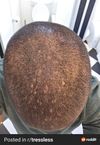
The user is 10 days post-hair transplant, pleased with the results so far, and hopes for increased density. The procedure was done at Vanity Hospital in Istanbul, with around 3400-3750 grafts used.
A sugar gel was claimed to trigger hair regrowth, but users reported no results and potential cancer risks. The discussion included comparisons to minoxidil and skepticism about the effectiveness of the sugar treatment.
A 28-year-old is considering using topical 0.3% finasteride and 6% minoxidil spray to prevent further hairline recession. They are unsure if this treatment is too drastic for their current level of hair loss and seek advice on application methods.
The conversation discusses the effectiveness of a new hair growth serum called HERBACLE, which claims to be the world's first, but lacks reviews and is doubted by users. One user notes that its ingredients are similar to those in The Ordinary's Multi-Peptide Serum for Hair Density.
GentleIris stopped hormone-induced hair loss with diet changes but couldn't regrow lost hair. A reply suggested microneedling instead of Platelet-Rich Plasma Therapy (PRP) for hair regrowth.
Microneedling may help regrow hair in dormant bald regions by stimulating stem cell transfer. Users discuss its effectiveness and how collagen might aid in the process.
A user reports significant hair regrowth in 11 days using 1mg finasteride daily and 2ml minoxidil daily, and questions if they can maintain their hair with just minoxidil and a good shampoo. They express concern about potential side effects of finasteride.
Finasteride can help extend the hair growth cycle and improve hair density, allowing for long hair despite initial shedding. Periodic shedding may occur, but it typically does not affect healthy hair significantly.
The user is experiencing hair thinning despite using finasteride and minoxidil with added tretinoin, and is considering switching to dutasteride. Suggestions include trying dutasteride, oral minoxidil, microneedling, and possibly a hair transplant for better results.
The conversation discusses hair loss treatment with finasteride, where the user is experiencing shedding and concerns about regrowth. Users advise patience, suggesting that visible improvement may take 6-12 months or longer, and recommend continuing the treatment.
Oral minoxidil can lead to increased body hair growth, especially in areas where hair already exists, but results vary by individual. Some users report noticeable changes within a few months, while others see minimal impact; concerns about excessive hair growth are common, but many prioritize hairline improvement over body hair concerns.
Diet and lifestyle changes can reduce hair shedding but won't regrow hair lost to genetic male pattern baldness. Treatments like finasteride and dutasteride are necessary for significant hair regrowth.
Users discussed their experiences with minoxidil and finasteride for hair loss, sharing application methods and side effects. Concerns included hair texture changes, safety around pets, and the importance of consulting a doctor before using oral minoxidil.
The conversation covers aggressive hair regrowth treatments like Dutasteride, Minoxidil (oral and topical), RU58841, microneedling, and ketoconazole shampoo. It also mentions PRP, laser therapy, GHK-Cu injections, and hormone therapy for maximum regrowth.
A 17-year-old is experiencing hair thinning all over, possibly due to low vitamin D levels. They are advised to consider vitamin D supplementation and check other factors like iron or thyroid function.
Creatine does not directly cause hair loss, but it may increase DHT levels, which can affect hair. Some users report hair shedding with creatine, while others experience no hair loss.
The individual had a hair transplant in Turkey with 4052 grafts, resulting in significant hair growth and increased confidence. They use finasteride, rosemary oil, and vitamins, and are pleased with the natural-looking results, encouraging others to consider similar treatments.
Minoxidil alone is often insufficient for treating hair loss because it doesn't address the DHT-related cause. Combining it with finasteride, a DHT blocker, is generally more effective.
A 29-year-old male shares his 3-month hair regrowth progress using finasteride, minoxidil, and microneedling, reporting no side effects and light initial shedding. He is encouraged by the results and plans to continue the treatment.
Dutasteride at 2.5mg is considered a potential hair loss cure due to its DHT-blocking ability, but there are concerns about side effects and individual responses. Minoxidil, finasteride, and RU58841 are also discussed, with mixed opinions on their effectiveness and safety.
Finasteride and minoxidil can revive hair dormant for up to 7 years, with microneedling enhancing regrowth. Users report significant hair regrowth even after long periods of baldness.
Low oxytocin levels in hair are linked to reduced empathy and may affect hair growth. Cinnamic acid can promote hair growth by activating oxytocin receptors.
User experienced significant hair loss after adding dutasteride to their finasteride and minoxidil regimen. They plan to revert to finasteride only due to lack of improvement.
NMN shows promise in promoting hair growth by reducing oxidative stress and weakening androgens. It may be a beneficial addition to hair loss treatments like Minoxidil and Finasteride.
A 38-year-old female is experiencing hair loss despite having almost undetectable DHT levels after using dutasteride. Suggestions include checking for PCOS, thyroid issues, adjusting diet, considering the impact of birth control, and trying treatments like tretinoin, redensyl, retinol, and minoxidil with derma stamping.
Finasteride, Minoxidil, Bioneer CosmeRNA, Technoderma, Kintor, Hope, Breezula, and Follicum treatments showed increases in hair count, with Technoderma showing the highest increase at 24.3 hairs/cm². Amplifica has not yet published results.
A 21-year-old male managed to control his hair loss using Nizoral, RU58841, and finasteride, but experienced increased scalp itchiness after starting creatine, which subsided upon stopping creatine. Users shared mixed experiences on whether creatine affects hair loss, with some reporting negative effects and others seeing no change or defending its benefits.
A 21-year-old male shared his extensive hair loss treatment protocol, which includes Dutasteride, RU58841, Ketoconazole shampoo, oral Minoxidil, pyrilutamide, MK677, dermastamping, and castor oil, and reported improved hair regrowth and overall well-being. He has experienced no side effects and has also improved his diet and lifestyle.
The "Big 3 Stack" for hair loss treatment, which includes Minoxidil for hair density improvement, Ketoconazole shampoo for enhancing hair volume and thickness, and Finasteride for blocking hair loss causing hormones. Microneedling can boost Minoxidil's effects.