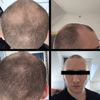
People discussing their experiences with natural treatments for hairloss, such as essential oils, deep scalp massages, anti-inflammatory measures, and supplements. Most of the replies suggest that these treatments are not effective and recommend medication such as minoxidil or finasteride instead.
A 29-year-old male experienced significant hair regrowth over 8 months using a protocol of oral Minoxidil, Dutasteride, Pyrithione Zinc Shampoo, and peptides GHK-CU, BPC-157, and TB-500. The treatment led to improved scalp coverage, reduced hairloss, and thicker hair, although results may vary for others.
The conversation discusses hairloss treatments, specifically using Dutasteride 0.5 mg and topical Minoxidil 5% twice daily, with users sharing experiences and advice on using Finasteride and Minoxidil. Some users consider hair transplants, while others suggest giving medications more time to work.
The conversation discusses hairloss and treatments like finasteride, minoxidil, and ketoconazole shampoo. Users suggest scalp massages, warm showers, and other methods to address scalp tension and tight spots, with some mentioning the potential effects of medications like escitalopram and probiotics.
A 48-year-old male is seeking advice on hairloss treatments, having tried Rogaine, Dutasteride, and Finasteride, and is concerned about a Spironolactone prescription. He is advised to continue with Finasteride, consider combo pills for convenience, and re-evaluate the Spironolactone prescription as it is typically not for men.
Managing blood pressure can help with hairloss, as seen with the use of medications like Cialis and oral minoxidil, which improved hairline and blood pressure. Lifestyle changes, such as reducing stimulant use and adjusting testosterone replacement therapy (TRT) doses, also play a role in addressing hairloss and overall health.
The user successfully managed hairloss using Finasteride, Minoxidil, Ketoconazole shampoo, and a hair mask, experiencing significant hair growth and improved density. They attribute their success to consistency, improved nutrition, and a dedicated routine.
A non-binary individual experienced hairloss after stopping hormone replacement therapy and is using oral Dutasteride, oral Minoxidil, and ketoconazole shampoo. They are hopeful for regrowth but may use wigs due to the high cost and uncertain effectiveness of additional treatments like mesotherapy and PRP.
Creatine may accelerate hairloss in those genetically predisposed, with some users reporting increased shedding while taking it and improvement after stopping. Some users use treatments like finasteride and minoxidil, while opinions on creatine's impact vary.
A sugar gel containing 2-deoxy-D-ribose has shown promising hair regrowth results in mice, comparable to Minoxidil. Users are discussing the potential to buy and try this compound themselves.
An individual's journey to treat their severe hairloss condition using the medications Pyrilutamide and RU58841. They will provide regular updates on their progress.
A user's extreme regimen for hairloss, which includes taking oral and topical medications such as minoxidil, dutasteride, cyproterone acetate and bicalutamide, but still experiencing miniaturization. Suggestions were made to try other treatments such as RU58841 and Pyrilutamide, while also considering mental health treatment and advice on lookmaxxing.
A user's transformation from an accountant to a spartan with a full beard, discussing the potential of DUPA and alopecia areata, as well as treatments like vitamins, topicals, and natural treatments for potential regrowth.
A person started using Minoxidil at 34 and had a hair transplant at 38, avoiding a straight hairline for a natural look and had 2200 grafts. They began taking Finasteride as a precaution, but Minoxidil did most of the work.
The conversation discusses Justin Bieber's apparent hairloss and the public's reaction to it, with some speculating he's had a hair transplant or is avoiding hairlossmedications due to side effects or medical conditions. There's also mention of his past comments on Prince William's balding and the irony of his current situation.
The user experienced hairloss from age 16 to 24 and tried various treatments. Effective treatments included Finasteride, Minoxidil, and hair transplants, while thickening shampoos, biotin, laser hair therapy, and excessive exercise were ineffective.
The conversation is about an 18-year-old transgender individual seeking advice on discussing hairloss treatments, specifically Minoxidil and finasteride, with a dermatologist. They are preparing for an upcoming appointment to address hairloss concerns.
Vitamin D deficiency may contribute to hairloss, but correcting it alone doesn't guarantee regrowth. Users report mixed results with supplements and treatments like minoxidil, finasteride, and dutasteride.
The conversation discusses preventing hairloss during detransitioning, with suggestions to use finasteride or dutasteride as DHT blockers. The user is also considering rosemary oil and monitoring testosterone levels.
People are discussing their supplies of hairloss treatments like Minoxidil, finasteride, and dutasteride, with concerns about availability and cost. Many users mention sourcing these medications from India due to lower prices, while others discuss the challenges of obtaining them in Europe.
The user is concerned about hairloss and is considering treatments like finasteride and minoxidil but is unsure about their effectiveness and side effects. They have experienced mixed reactions to shaving their head and are struggling with confidence due to balding.
Creatine may increase DHT levels, potentially causing hairloss in some people, though experiences vary. Treatments like finasteride or minoxidil are suggested to manage potential hairloss.
Redensyl is a plant-based treatment that may support hair regrowth by reactivating dormant follicles and improving hair density, especially in early-stage thinning. It is not a miracle cure and results vary; it is less proven than Minoxidil or Finasteride and may cause scalp irritation.
The user is frustrated with ongoing hairloss despite using treatments like dutasteride, finasteride, and minoxidil, and is considering shaving their head. They are advised to maintain consistency with medication, consider oral minoxidil, and explore hair transplant options.
A 24-year-old is struggling with hairloss despite using treatments like dutasteride, oral minoxidil, RU58841, and considering a hair transplant. They are advised to continue medication, possibly increase dosages, and explore additional treatments like tretinoin and tacrolimus.
A 21-year-old male has been experiencing persistent hairloss despite using treatments like dutasteride, finasteride, RU58841, minoxidil, and ketoconazole. Suggestions include checking for hormonal issues, nutritional deficiencies, or allergies, and consulting a doctor for professional advice.