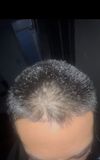
The conversation is about a 53-year-old man's struggle with hairloss and the various perspectives on balding. It also mentions the use of finasteride as a hairloss treatment.
A 24-year-old male using topical finasteride for hairloss is experiencing thinning despite treatment and has high estrogen levels. He is seeking advice on whether high estrogen could be causing hairloss and how others with high estrogen levels have addressed it.
The conversation is about the role of testosterone in hairloss and the effectiveness of different treatments. The conclusion is that DHT is the main culprit for hairloss, and finasteride has been proven to work long-term in maintaining and regrowing hair. Testosterone may have a minor effect, but it is not the primary cause of hairloss.
The conclusion of the conversation is that the user, BreadButterCoffee, did not have success with dutasteride for hairloss and found better results with a combination of finasteride, minoxidil, and microneedling. They recommend trying microneedling for those who have been on medication for years with minimal improvement.
User's hairloss treatment progress includes 1 mg finasteride, 2.5 mg minoxidil tablets twice daily, microneedling 3 times a week, and Fungoral shampoo twice weekly. Good progress and minimal side effects reported.
Finding acceptance of hairloss through psychedelics, and the potential benefits of shrooms. Discussions include sharing experiences with minoxidil, finasteride, nutrafol, laser therapy, micro needling, as well as mental health concerns such as depression, suicidal thoughts, and self-esteem.
Potential treatments for hairloss, including Minoxidil, finasteride, RU58841 and various upcoming pharmaceuticals, gene editing and cloning. It is suggested that a cure, if found, would be highly profitable due to the large number of people affected by hairloss globally.
Creatine does not directly cause hairloss but may increase DHT levels, potentially worsening hairloss in those predisposed to male pattern baldness. Users have mixed experiences, with some reporting increased shedding and others seeing no effect.
ExistingAd915's 17 year journey of fighting hairloss, which included the use of finasteride, minoxidil, and dutasteride. He has seen positive results from his treatments, with an overall improvement in hair density.
A user's 20 year journey with hairloss and the treatments they have used to manage it, including finasteride, minoxidil, a custom Strut Blend of Dutasteride, Minoxidil, Tretinoin, and Biotin, Nizoral shampoo, multivitamins, Vitamin D, B Complex, Dim, Clomid, exercise, diet, laser helmet, Toppik dark brown, and topical Finasteride. The user also talks about their successful life, lack of desire for children and high sperm count due to Clomid.
Rosemary essential oil, particularly cineole, is considered by some to be beneficial for hair growth, though its effectiveness compared to minoxidil is debated. Finasteride, minoxidil, and ketoconazole shampoo are recommended treatments, while oils like rosemary and peppermint are seen as supplementary for scalp health.
The conversation discusses the potential connection between baldness, heart disease, and high blood pressure. Treatments mentioned include Minoxidil, Spironolactone, and Finasteride.
User obsessed with hairloss prevention shares collection of treatments, including oral and topical finasteride, minoxidil, dermapen, and more. Others suggest adding RU58841, laser helmet, and PRP, while some advise dropping certain treatments for long-term manageability.
A user shared their experience with hairloss treatments, including RU58841, ketoconazole shampoo, caffeine shampoo, and topical finasteride. They found RU58841 effective for diffuse thinning but experienced severe hairloss after stopping it; topical finasteride worked well for a receding hairline but caused side effects. They also use a charcoal shampoo and practice scalp massages.
The emotional impact of hairloss and the risks associated with common treatments such as finasteride, dutasteride, minoxidil, RU58841, and Fluridil. People discussed their personal experiences with these treatments, including potential side effects and lowered fertility. Hair transplants were also mentioned as a possible solution.
The user experienced hairloss from age 16 to 24 and tried various treatments. Effective treatments included Finasteride, Minoxidil, and hair transplants, while thickening shampoos, biotin, laser hair therapy, and excessive exercise were ineffective.
Resveratrol and fisetin, found in red wine and strawberries, may promote hair growth by affecting hair follicle cells. Users discuss various treatments, including natural remedies like saw palmetto and topical applications, with mixed opinions on their effectiveness compared to pharmaceuticals like finasteride.
The post and conversation are about skepticism towards HairClone's crowdfunding campaign for a hairloss cure, with users expressing doubt and calling it a scam. Specific treatments mentioned include Minoxidil, finasteride, and RU58841.
The conversation is about the use of peppermint essential oil for hairloss, asking which type to use and how to apply it. One user reported using peppermint oil daily for six months without seeing any results.
The conversation discusses the potential impact of marijuana on hairloss, with some users suggesting it may worsen hairloss due to hormonal changes, while others believe it might alter perception rather than cause actual thinning. The original poster uses Propecia (finasteride) and Rogaine (minoxidil) for treatment and is considering quitting marijuana to see if it affects hair health.
PP405 is discussed as a potential treatment for hairloss, with excitement about its promise but skepticism about its current effectiveness. Users mention combining it with treatments like minoxidil, finasteride, and microneedling, but emphasize it is not a cure.
The user is frustrated with hairloss, having switched from topical minoxidil and finasteride to dutasteride and oral minoxidil without seeing improvements. They are considering a hair transplant and are advised to continue the current treatment and explore therapy or lifestyle changes.
The conversation discusses hairloss treatments, with users sharing experiences and opinions on finasteride, minoxidil, and other methods. Many recommend finasteride for its effectiveness, while others express concerns about side effects and emphasize the importance of acting quickly to address hairloss.
Dutasteride is discussed as a treatment that makes hairloss impossible, with some users sharing experiences of hair regrowth and side effects. Finasteride and oral minoxidil are also mentioned as treatments, with concerns about side effects and effectiveness.
Dutasteride and finasteride can significantly slow or halt hairloss, with some users experiencing regrowth, but results vary. Lifestyle factors and individual genetic predispositions also play a role in hairloss outcomes.
User Wonderful_Tonight910 suffered from hairloss and seborrheic dermatitis for years. After using irritant-free shampoo, their scalp improved, hairloss stopped, and new hair growth appeared.
User asks if Ashwagandha causes hairloss while using Finasteride and Minoxidil. Replies suggest Ashwagandha may increase shedding, but raising testosterone within normal levels likely won't significantly affect hairloss.
A user's hairline recovery after severe hairloss, which was treated with Dutasteride and Minoxidil; other users offered their opinions on the severity of the hairloss.
Different treatments for hairloss, such as Finasteride, Minoxidil, Nizoral, Pumpkin Seed Oil, Saw Palmetto and PRP; the risks of using certain treatments; taking a break from this subreddit to cope with anxiety about hairloss; and potential benefits of maintaining confidence despite hairloss.