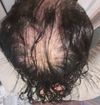
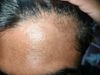
A 19-year-old is experiencing hair loss and shedding despite using Dutasteride and topical Minoxidil for six months. They are concerned about potential infections like folliculitis and are considering stopping the treatments due to stress and hair loss from various areas, including eyebrows and eyelids.
The user experienced aggressive hair loss despite using oral finasteride and minoxidil, with additional issues like dandruff and eyebrow hair loss. They are considering switching to oral minoxidil and dutasteride due to scalp inflammation and lack of improvement.
The user experienced significant hair improvement with minoxidil and finasteride but later faced shedding and diffused thinning after developing seborrheic dermatitis. They are seeking advice after trying treatments like ketoconazole, coal tar shampoos, fluconazole, and hydrocortisone cream.
Oral minoxidil combined with finasteride can improve hair density, but long-term safety is uncertain due to potential side effects like heart and kidney issues. Users report mixed experiences, with some experiencing side effects and others finding it effective for hair maintenance.
The user experienced significant hair regrowth using finasteride and minoxidil. They plan to switch to dutasteride for its potency after confirming their body's tolerance to DHT blockers.
The user is experiencing progressive hair thinning despite using finasteride and dutasteride. A biopsy confirmed male pattern baldness, and minoxidil was suggested as an additional treatment.
The user successfully regrew thick hair using minoxidil, finasteride, and biotin, starting at age 19, and expresses gratitude to the community for support. They experienced minimal side effects and emphasize the importance of personal research and a healthy lifestyle.
A 19-year-old with thinning hair at the temples is prescribed finasteride 1mg daily and minoxidil 2% twice daily. They seek feedback on the effectiveness of finasteride for young people, especially those who started between ages 18-20, given their family history of baldness.
KX-826 stopped hair loss for the user after stopping finasteride due to mild side effects. The user experienced mild headaches initially with KX-826, which resolved after a few days.
Dutasteride improved hair density and thickness in men who didn't respond to finasteride, with some experiencing transient sexual dysfunction. Users discussed switching from finasteride to dutasteride, noting initial shedding but eventual hair improvement.
A 19-year-old experiencing hair loss tried finasteride but stopped due to potential side effects and is considering dutasteride. They also used topical minoxidil intermittently but didn't see lasting effects.
The user is frustrated with hair regrowth despite using finasteride, minoxidil, dutasteride, RU58841, ketoconazole shampoo, and dermastamping. Others suggest improvement, advise against overmedication, and recommend consulting a doctor or considering a simpler regimen or hair transplant.
Using finasteride and minoxidil for two months led to noticeable hair regrowth, especially at the temples, with minor side effects. Users discuss their experiences with these treatments, noting minimal sexual side effects and encouraging others to try them.
A user shared their progress in combating hair loss using 5 mg oral minoxidil and 1 mg finasteride over four months, experiencing significant improvement. They also experimented with higher doses of minoxidil but faced side effects, so they settled on 7.5 mg without issues.
A user discussed their hair transplant progress and mentioned using 1mg Finasteride, 5% Topical Minoxidil, and recently starting 5% RU58841. They are seeking advice on whether to use RU58841 at month 4 post-transplant.
The user discusses hair transplant results and questions the necessity of pairing microneedling with a special liquid, aside from minoxidil, for better hair thickening. They are skeptical about the doctor's recommendation and seek advice on whether the liquid is essential or a sales tactic.
The user experienced significant hair regrowth after switching from finasteride and minoxidil to dutasteride. They believe dutasteride is highly effective for treating hair loss.
Dutasteride mesotherapy, an injection treatment for hair loss done monthly, is discussed as an alternative to daily oral treatments like minoxidil and finasteride. It's not popular due to its higher cost, inconvenience, and the discomfort of scalp injections.
The user shared a 1.4-year hair growth journey using minoxidil and recently added micro-needling and finasteride, which significantly improved their hair. They also mentioned taking consistent photos for comparison and dermarolling once a week with a 1.5 mm needle.
Methylsulfonylmethane (MSM) is not a treatment for male pattern baldness but can accelerate hair growth and thicken miniaturized hairs, with the side effect of increased hair growth all over the body. The user asks others to share their experiences with MSM.
The conversation discusses why some men with hair transplants choose certain hairstyles that may reveal their surgery, while others, like Machine Gun Kelly (MGK), opt for styles that conceal it. Specific treatments mentioned include hair transplants, minoxidil, and finasteride.
The conversation is a satirical discussion about unconventional hair loss treatments, including using mold, butter, and other non-traditional substances, with no real evidence of effectiveness. Some users joke about side effects like erectile dysfunction and weight gain.
The conversation highlights the general public's lack of knowledge about hair loss, with various ineffective remedies suggested, such as not wearing hats or using hair fibers. The only effective treatments mentioned for male pattern baldness are medications like minoxidil and finasteride, and hair transplants.
The conversation is about a meme related to hair loss that influenced someone to start taking finasteride. Another person agrees that the meme accurately represents the situation.
A user shared a 6-month hair loss treatment routine including Mexican finasteride (1.25mg every other day), daily minoxidil, bi-weekly dermarolling, and ketoconazole shampoo twice a week, noting significant crown growth and some frontal hairline improvement with initial side effects that have since subsided. They are seeking advice to improve results, particularly at the frontal hairline, without resorting to a hair transplant.
The conversation discusses a prescription for hair loss treatment. Minoxidil is mentioned as a treatment that should be used daily, not just two days a week.
A user has been treating hair loss with finasteride for two years without success and is experiencing an itchy scalp with seborrhea. Despite low DHT levels, they are still losing hair, suggesting that DHT might not be the main cause of their hair loss, and they are considering other treatments or causes.
A 17-year-old experiencing hair loss due to hard water was advised by a dermatologist to use a treatment containing Minoxidil and vitamins. A respondent confirmed the treatment's safety but warned that discontinuing Minoxidil could worsen hair loss.
A 22-year-old experiencing hair thinning started using finasteride and feels relieved for taking action against hair loss. Others in the conversation share similar experiences, finding comfort in trying treatments like finasteride and minoxidil, even if they don't fully stop their hair loss.