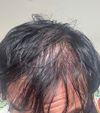
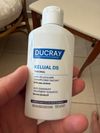
The user has tried finasteride, oral minoxidil, iron supplements, vitamin D, and vitamin B12, but their hair is still thinning after 5 years. Another user suggested trying dutasteride.
The user reports significant hair regrowth after three months using finasteride, biotin pills, a derma roller with rosemary/jojoba oil, and drinking coffee, despite an initial increase in hair shedding. Other users share varied results with similar treatments, with some not experiencing improvements.
The conversation revolves around the psychological impact of hair loss and various treatments. Participants discuss using Minoxidil (Min) and Finasteride (Fin), hair transplants, and therapy for mental health. Some also recommend immediate action at the first signs of hair loss and joining supportive communities.
The user started experiencing hair thinning in November and began using a specific shampoo and conditioner about two weeks ago, but noticed quicker thinning since starting the product. They are questioning if the product could cause initial shedding before promoting hair regrowth, similar to how finasteride works.
The conversation discusses potential vitamin deficiencies leading to hair loss, with a focus on Vitamin D and iron. Some individuals are using finasteride and minoxidil for hair loss, while others consider vitamin supplementation due to deficiencies.
A user's journey with hair loss, starting with finasteride at age 17 and switching to dutasteride at 18. The post provides insight on how minoxidil helped initially but quitting it caused some regrowth that was regained when switching to dutasteride. There is also discussion about starting finasteride as young as 17 years old for those who may be worried about potential physical development issues.
This conversation is about a user who has been using Minoxidil for nine months and just noticed hair growing on the inner part of their arms. Responses to this post suggest that they should continue using it, with an increase in frequency from 5% twice a day, as well as trying finasteride if needed.
A 19-year-old noticed hair thinning and mild receding hairline, opting for a treatment regime excluding finasteride and minoxidil. The regime includes derma rolling, rosemary and coconut oil, a massage comb, a DHT-blocker shampoo, and vitamins B12 and Biotin.
The user's hair thinning and shedding were due to Telogen effluvium caused by COVID-19, not the ineffectiveness of Finasteride. The shedding eventually slowed, and hair growth resumed, but the user was advised to consider additional treatments like Minoxidil or microneedling if needed.
A user shared their positive experience with a hair transplant journey over 10 years, involving 3000+ grafts and regular use of minoxidil and finasteride. Other users commented on the hairstyle and suggested alternative treatments like SMP or hairpieces.
The user is concerned about worsening hair loss after 9 months on 1.25 mg finasteride, with suggestions to add minoxidil and consider dutasteride. Some users report decreased shedding with different treatments, while others note possible issues with photo comparisons.
A 21-year-old experiencing hair loss noticed reduced hair fall and new growth after using rosemary oil and amla, but results are slow. Users suggest natural remedies may not be effective long-term and recommend consulting a dermatologist or considering finasteride for better results.
A user shared their experience with two hair transplants in Istanbul, highlighting the importance of choosing clinics with a low doctor-to-patient ratio, ISHRS membership, thorough consultations, and reliable aftercare. They emphasized the significance of PRP shots post-procedure and advised careful selection of clinics, especially for crown procedures, due to limited donor area opportunities.
The user improved hair health by using a topical spray with Minoxidil (7%) and Finasteride (0.3%), switching to Nizoral shampoo with 1% ketoconazole, and applying a multi-peptide serum for hair density. They emphasize the importance of maintaining a healthy scalp for effective hair regrowth.
A healthy scalp barrier is crucial for hair growth, and ceramides may play a key role in maintaining it. The conversation suggests that focusing on scalp health, alongside treatments like Minoxidil, Finasteride, and RU58841, could improve hair follicle health.
Steve Carell's hair transformation from Season 1 to Season 7 of "The Office" is attributed to a possible hair transplant and changes in styling. Discussions also mention the use of treatments like Propecia and Accutane for skin and hair issues.
The user is experiencing dry, frizzy hair despite using dutasteride and finasteride for hair loss, which may be due to reduced sebum production. Suggestions include using nourishing conditioners, hair oils, and styling products to manage frizz, especially for curly hair.
A user shared their experience 7.5 months after receiving 3950 hair grafts at Sule Hair Transplant in Istanbul, Turkey, with positive feedback on the transformation. The discussion included costs, recovery time, and the use of medications like finasteride and minoxidil post-transplant.
The user is considering continuing minoxidil and microneedling, possibly adding low-dose topical finasteride, and undergoing a large FUE hair transplant to improve hair appearance. They plan to use hair fibers for added density, aiming for a convincing cosmetic look rather than full density.
Finasteride users discuss the impact of creatine on hair loss, with mixed personal experiences and no definitive evidence linking creatine to increased hair loss. Some report shedding, while others see no change, and a new study suggests creatine does not increase DHT or cause hair loss.
A 35-year-old shared a 2-month update on their hair transplant of 3153 grafts, noting redness, itching, and some pimples, while using finasteride for over 12 years to maintain hair. Users discussed the effectiveness and timing of starting finasteride, with some suggesting consulting a doctor for young individuals considering the treatment.
A 25-year-old is experiencing chronic telogen effluvium (TE) and androgenetic alopecia (AGA) after surgery, using finasteride, red light therapy, and supplements, and considering oral minoxidil despite heart concerns. They are unsure whether to start minoxidil before or after an upcoming surgery, which may trigger another hair shed.
A new light therapy claims to reduce hair loss markers by 92% using a specific wavelength range. Users discuss the cost and effectiveness of devices, with some expressing skepticism and others considering alternative treatments like red light therapy and vitamin D exposure.
A user shared their 5-year experience using minoxidil and finasteride, noting significant hair improvements without side effects. Consistency, a positive mindset, and lifestyle changes like a healthier diet and better sleep were key to their success.
The user tried finasteride and oral minoxidil for hair loss but stopped due to concerns about side effects. They also stopped using shampoo, which may have affected their hair loss.
Some prefer hair systems for better appearance and confidence, while others find them costly and inauthentic. Alternatives like minoxidil, finasteride, and hair transplants are also considered.
Finasteride can help extend the hair growth cycle and improve hair density, allowing for long hair despite initial shedding. Periodic shedding may occur, but it typically does not affect healthy hair significantly.
The conversation is about using dutasteride 0.5mg, minoxidil 5%, and RU58841 for hair loss treatment. Users discuss dosage, potential side effects, and experiences with these treatments.