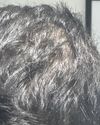
The conversation discusses hair loss treatments using oral minoxidil, oral dutasteride, and mesotherapy dutasteride, showing impressive 6-month results. The user wishes these treatments were available in the U.S.
Finasteride is discussed for hair loss treatment, with opinions divided on its safety and effectiveness. Some consider natural remedies, but these may also affect hormones.
The user shared their personal experience with hair loss, hormone imbalances, and treatments including testosterone boosters, natural estrogen blockers, and DHEA. They suggest that low-dose finasteride and natural hormone therapy could reduce hair loss with fewer side effects.
Finasteride effectively stopped hair loss for five years without side effects but led to complacency in life. Young men are advised to consider it for hair loss but not to take it for granted.
The conversation discusses the potential effectiveness of hair loss treatments, with some companies claiming to have a cure by 2019-2025. Specific treatments mentioned include Minoxidil, finasteride, and RU58841.
The user saw no significant changes in hair loss after three months on 3mg Dutasteride, having previously used Finasteride and 0.5mg Dutasteride. They plan to continue the high dose for a year despite concerns about side effects and diminishing returns.
The user switched from finasteride to 1mg dutasteride daily due to continued hair loss and is also using minoxidil and rosemary oil. They are seeking advice on whether to increase the dutasteride dosage for better regrowth.
A person is microdosing estrogen for hair loss after finasteride and dutasteride failed, risking feminizing effects. Alternatives like minoxidil, RU58841, or hair transplants are suggested.
A 15-year-old is concerned about hair loss, possibly at Norwood 2 or 3, and is using shampoos and conditioners recommended by a trichologist. Suggestions include considering topical minoxidil and consulting a doctor about topical anti-DHT treatments like finasteride or RU58841, but avoiding 5-alpha-reductase inhibitors at this age.
A 20-year-old is experiencing hair thinning and seeks advice on starting treatment and regrowing hair. They are considering using Minoxidil, finasteride, or RU58841.
Insulin resistance may increase DHT production, contributing to hair loss, and addressing it through diet, nutrients, and natural DHT blockers like saw palmetto and pumpkin seed oil could help reverse hair loss. Some users prefer medications like finasteride for more effective results.
A 30-year-old man shared his positive experience with hair regrowth using Regenera Activ, topical Dutasteride, Minoxidil, and PRP over 12 weeks. He plans to continue with injectable Dutasteride and emphasizes the importance of starting treatment early to combat hair loss.
The user has been using a hair loss treatment regimen including RU58841, minoxidil, and dutasteride, but still experiences hairline recession and fatigue despite high testosterone levels. They are considering adjusting their dutasteride dosage due to concerns about libido and energy levels.
The conversation discusses skepticism about DHT blocker supplements for hair loss, with many users recommending proven treatments like finasteride and minoxidil instead. Some users shared personal experiences with alternative treatments like beta-sitosterol and saw palmetto, noting side effects and limited effectiveness.
The conversation discusses using cyproterone temporarily to reverse hair loss, followed by finasteride to maintain regrowth. Concerns about cyproterone's side effects, such as lowering testosterone and potential health risks, are raised, with alternatives like spironolactone suggested for androgen-related issues.
A 28-year-old is experiencing hair loss despite using treatments like oral minoxidil, finasteride, and high-dose dutasteride (2.5 mg). They suspect lichen planus might be contributing to the issue and plan to continue treatment while monitoring progress.
Oral minoxidil and dutasteride are used for hair loss with mixed results. Some users report new growth, while others suggest scalp inflammation may be an issue.
A woman is frustrated with her hair loss and the slow, ineffective healthcare system in Canada. She has tried treatments like minoxidil, doxycycline, and kenalog injections, but continues to experience painful inflammation and hair loss.
Dutasteride and finasteride are effective for many in reducing hair loss by lowering DHT levels, though results vary based on individual sensitivity and genetics. Higher doses of dutasteride may not significantly increase hair growth due to diminishing returns, and topical finasteride is suggested as an alternative for some.
The user is experiencing diffuse androgenic alopecia and is trying various treatments, including 5mg finasteride, loniten, and Formula 82D, which contains dutasteride, a steroid, and tretinoin. They report potential regrowth with Formula 82D, despite previous treatments being ineffective.
IGFBP‐rP1 shows potential for treating androgenic alopecia by influencing hair cycle transitions. Increasing IGF-1 levels may have similar effects to Minoxidil and 5-AR inhibitors in reducing hair loss.
Stopping minoxidil can lead to significant hair loss, but resuming it along with finasteride can help regain lost hair over time. Consistency is key for maintaining hair health and regrowth.
The user has experienced significant hair thinning despite using 2.5 mg minoxidil for 2 years. Other users suggest adding finasteride or dutasteride and consulting a dermatologist for a proper diagnosis.
A 23-year-old shared his hair regrowth progress after using Minoxidil, finasteride, Dutasteride, and RU58841 for over a year. The post received supportive comments, with others sharing their own experiences and complimenting his transformation.
A user shared a 3.5-month hair regrowth progress using Minoxidil, ketoconazole, and dermarolling, and has started taking oral finasteride to maintain gains. There was a significant initial hair shed, which is normal for these treatments.
The conversation discusses Justin Bieber's apparent hair loss and the public's reaction to it, with some speculating he's had a hair transplant or is avoiding hair loss medications due to side effects or medical conditions. There's also mention of his past comments on Prince William's balding and the irony of his current situation.
Fluridil may decrease the number of androgen receptors in hair follicles by up to 95%. This suggests a different action mechanism from other non-steroidal antiandrogens like RU58841, indicating they might be used together.
The user shared their positive hair regrowth experience using saw palmetto tablets, 5% minoxidil spray, and a Derma Pen. The conversation debates the effectiveness of saw palmetto versus finasteride, with some advocating for natural treatments and others emphasizing the proven results of finasteride and minoxidil, often in combination with microneedling.
A user has been treating hair loss with finasteride for two years without success and is experiencing an itchy scalp with seborrhea. Despite low DHT levels, they are still losing hair, suggesting that DHT might not be the main cause of their hair loss, and they are considering other treatments or causes.
How Finasteride and Dutasteride help reduce hair loss by reducing the amount of DHT in scalp areas, as well as discussing factors such as sensitivity to DHT, 5α-reductase expression in different parts of the hair follicle, and scalp tension.