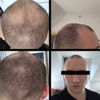
The conversation discusses a topical hair loss treatment containing 0.1% dutasteride, 6% minoxidil, tretinoin, and ketoconazole. The user is asking for opinions on the effectiveness of this solution.
The user is starting a hair loss treatment including topical finasteride/minoxidil, derma rolling, ketoconazole shampoo, vitamins, exercise, and quitting caffeine. They are seeking advice on derma roller needle size, potential side effects, and additional recommendations.
The conversation discusses a hair loss treatment formulation containing cyclosporin, minoxidil, and tacrolimus, and mentions ongoing research on hair color reversal. The treatment showed high efficacy in restoring hair color in trials with 40 to 50 people.
This conversation discusses the advancements in treatments for hair loss, including finasteride, dutasteride, minoxidil and new promising treatments such as pyrilutamide and verteporfin. Other treatments discussed were taking minoxidil orally, tretinoin to turn non-responders into responders and microneedling to further boost growth.
The conversation discusses a hair loss treatment involving a hair transplant of approximately 2500 grafts to the frontal area, daily use of finasteride, twice-daily topical minoxidil, and daily caffeine shampoo since the hair transplant procedure. One person is skeptical about the improvement in the crown area with just finasteride and minoxidil.
The conversation discusses a hair loss treatment regimen that includes Dutasteride, oral and topical Minoxidil, Tretinoin, dermarolling, Nizoral, salicylic acid shampoo, vitamins, and possibly The Ordinary Multi-Peptide Serum. Some responses suggest the regimen might be excessive, while others believe it is sufficient, especially with Dutasteride.
The conversation discusses sourcing topical dutasteride for hair loss treatment, with mentions of Dr. Mwamba's products and Farmacia Prati as potential suppliers. Additional treatments like topical tocotrienols and botox are suggested as extensions to the regimen.
The conversation discusses hair cloning progress and mentions treatments like Minoxidil, finasteride, and RU58841. Users also talk about hair transplants and their effectiveness.
PP405 is discussed as a potential treatment for hair loss, with excitement about its promise but skepticism about its current effectiveness. Users mention combining it with treatments like minoxidil, finasteride, and microneedling, but emphasize it is not a cure.
The user has tried various treatments for hair loss, including finasteride, dutasteride, and oral minoxidil, but is considering a hair transplant due to insufficient progress. Some users suggest that the treatments have at least stabilized hair loss, and recommend consulting clinics for a potential hair transplant while continuing medication.
Hair loss is linked to DHT, with treatments like finasteride and minoxidil being common but not definitive. Economic interests influence research, and there is potential for new treatments like PP405 and RU58841.
CB-03-01 is considered a failed treatment for hair loss, with future hopes pinned on PP-405 and GT-20029, expected by 2030. Alternatives like hair transplants and SMP are discussed, while some users express frustration over the slow progress of treatments like Breezula.
Stem cell treatment research shows promise in reversing hair loss in mice, but it's likely 10 years away and expensive. Current recommended treatments include minoxidil, finasteride, and hair transplants.
Tazarotene shows potential as a standalone treatment for hair regrowth by stimulating new hair follicle formation and promoting angiogenesis, similar to microneedling effects. It can be used topically without minoxidil, but users should start with a low concentration to avoid irritation.
PP405 is a promising new treatment for hair loss that activates dormant stem cells in hair follicles, potentially bypassing the effects of DHT. It is currently in phase 2 trials and could be available between 2027 and 2030, but it is not considered a definitive cure.
The user is frustrated with ongoing hair loss despite using oral finasteride and topical minoxidil. They are considering adding magnesium to their diet and exploring other treatments like micro-needling and keto shampoo.
The conversation is about the effectiveness of Maneup GHK-Cu hair growth serum, a topical treatment for hair loss. The user is considering trying it but is skeptical due to issues others have had with DIY injections of a similar substance.
Turmeric is being questioned as a treatment for hair loss, with skepticism from users who suggest proven medications instead. Some users doubt its effectiveness, noting cultural uses of turmeric for hair removal.
A 43-year-old man started treatment for hair loss with finasteride, minoxidil, Qilib rebalance, and Trigain Caffeine shampoo, and is taking vitamin D supplements. He hopes to share positive results after a few months.
Onion juice is discussed as a potential treatment for hair growth, with many positive user comments. Other treatments mentioned include Minoxidil, finasteride, and RU58841.
A user shared their hair loss journey, starting treatments with topical minoxidil and finasteride at 17, and later adding oral versions and dutasteride by age 20, but still experiencing hair loss. Others suggested that the treatments have likely slowed the progression, and some recommended considering a hair transplant or adjusting medication, while expressing concerns about the potential side effects of starting such treatments at a young age.
The user is concerned about hair loss and is considering treatments like finasteride and minoxidil but is unsure about their effectiveness and side effects. They have experienced mixed reactions to shaving their head and are struggling with confidence due to balding.
Switching from dutasteride to finasteride may result in some hair loss, as finasteride is generally considered less effective. However, maintaining some treatment is better than stopping entirely, and the change might not be drastic.
Using the "big three" hair loss treatments (Minoxidil, Finasteride, and Ketoconazole) can initially make hair look worse, often causing dryness and a "straw" texture. Adjusting the routine with gentler shampoos and conditioners can improve hair appearance while waiting for the treatments to show results.
Minoxidil and finasteride have improved hair thickness and density, but temple areas remain stubborn. Continued use is recommended, with suggestions for topical minoxidil, microneedling, or considering a hair transplant for further improvement.
A user tried a Korean hair loss shampoo and treatment set, noting it improved scalp and hair quality but lacked ingredient details. Other users expressed skepticism about its effectiveness, suggesting it might not significantly impact hair loss.
The user is considering starting a 6-month treatment with minoxidil and finasteride for hair loss but is unsure due to minimal current hair loss and concerns about mental health effects from oral finasteride. They are uncertain about the correct application areas for these treatments.
The conversation discusses various hair growth treatments, including topical and oral minoxidil, microneedling, LLLT, PRP, exosomes, latanoprost, copper peptides, and upcoming treatments like PP405 and Vdphl01. It also covers managing side effects of minoxidil, such as dry scalp, and mentions the use of dutasteride and finasteride for hair loss.
GT20029 is a potential treatment for androgenetic alopecia, addressing the root cause by targeting androgen receptors, unlike Minoxidil or Finasteride. It is seen as a preventative measure rather than a regrowth agent, with hopes for market release soon.