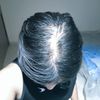
Participants want to maintain hair until at least age 30, using treatments like finasteride, dutasteride, and minoxidil. Hair loss remains a concern, with some considering hair transplants.
Hair loss treatments, specifically 5AR inhibitors, can impact neurosteroids and sexual health. The effects of topical fin/dut on tissue-specific DHT levels are unclear.
Researching the cause of hair loss and treating it by preventing DHT in the scalp with medication such as finasteride or dutasteride, estrogen, minoxidil, dermarolling, and possible topical antiandrogens.
Switching from finasteride to dutasteride caused significant shedding but minimal side effects. The user plans to continue dutasteride for 12 months despite concerns about hair density.
In this conversation, 4990 discussed various treatments for hair loss, including oral minoxidil, PRP, transplan, Jak inhibitors, Dutasteride, Finasteride, Olumiant, Ketoconazole, RU58841, microneedling, baricitinib, and CCCA. They recommended scalp biopsies in unclear cases of DUPA, twice weekly to twice daily shampooing for topical minoxidil users, and two sessions spaced one month apart with follow up at month three to determine the effectiveness of PRP treatment.
The FDA warned that topical finasteride can cause serious side effects like sexual dysfunction and brain fog, similar to oral finasteride. Compounded topical formulations pose additional risks due to lack of regulation.
Rapid weight loss may have triggered increased hair shedding. Continuing with finasteride, microneedling, a healthy diet, and supplements like MSM and vitamin B is advised, but results may take 6-12 months.
A 31-year-old male experienced hair shedding after rapid weight loss and stopping vitamins, despite using minoxidil and other supplements. He is considering Saw Palmetto and Pumpkin Seed Oil instead of finasteride due to trying for kids, and is concerned about high ferritin and DHEAS levels.
The conversation discusses the belief that zinc, caffeine, and weightlifting may contribute to hair loss by increasing DHT levels. The original poster plans to reduce zinc and caffeine intake and stop weightlifting to see if it improves their hair condition.
The user shared a one-year progress of treating hair loss with finasteride, minoxidil capsules, and rosemary oil, and also improved mental health by addressing childhood trauma and changing negative thought patterns. Commenters congratulated the user on both hair regrowth and mental health progress, with one asking for advice on overcoming self-hatred and low confidence.
Hair thinning possibly due to rapid weight loss and dietary changes, with no nutrient deficiencies found. The user is taking vitamins and considering seeing a hair specialist to promote regrowth.
Exercise has minimal impact on hair loss, with weight lifting slightly increasing DHT and cardio potentially decreasing it. Finasteride and dutasteride are effective treatments for managing hair loss, even for those who exercise regularly.
A 57-year-old man with male pattern hair loss and insulin resistance experienced hair regrowth and weight loss after using tirzepatide, without other hair treatments. Dysregulated glucose metabolism is linked to hair loss, with tirzepatide potentially improving hair density by normalizing insulin resistance.
A 21-year-old with accelerated hair loss due to stress and weight loss is using minoxidil, finasteride, and microneedling to combat balding, despite experiencing a significant initial hair shed. They are committed to continuing treatment for at least three months and are considering switching to topical finasteride if necessary.
The conversation discusses hair loss and the potential impact of diet and lifestyle changes, particularly increased protein intake, on hair health. The original poster shared their experience of improved hair appearance after weight loss and dietary changes, despite skepticism from others about lighting differences in photos and the effectiveness of diet alone without finasteride or minoxidil.
User experienced hair thinning after losing 100 lbs and started Dutasteride treatment. They faced side effects like fatigue, brain fog, and insomnia but no erectile dysfunction.
Oral minoxidil dosing should be based on body weight to minimize side effects, with higher doses increasing risks like pericardial effusion. Combining oral minoxidil with topical treatments and finasteride can improve hair growth, but regular heart health monitoring is essential.
A 26-year-old male experienced hair regrowth using finasteride, minoxidil foam, and micro-needling over 2-3 months, with significant improvement in the crown, sides, and temples, but less in the hairline. He noted side effects like fluid retention in the ankles and weight gain but no change in libido.
A 25-year-old is experiencing hair regrowth after six months of using oral finasteride, oral dutasteride, topical and oral minoxidil, microneedling, and keto shampoo. They report less shedding and healthier hair, with some side effects like GERD due to weight gain.
A 47-year-old male experienced significant hair loss after losing 37 kg in 6 months on a low-carb diet and started taking biotin, zinc, iron, selenium, and spectral dcn-n. Replies suggest that while carbs are not directly needed for hair growth, they help regulate hormones and nutrient absorption, and rapid weight loss can also contribute to hair loss.
The conversation is about someone starting finasteride (fin) and wondering if it will affect their new ketogenic diet and weightlifting routine, with the goal of not disrupting weight loss or muscle gain while regrowing hair.
A 22-year-old from India is using finasteride, Trichoton AT, and a multivitamin to address hair loss, noticing some regrowth. They are concerned about weight gain and the psychological effects of masturbation but find no strong evidence linking it to hair loss.
A user's 61-year-old father regained a full head of hair after four years on dutasteride for his prostate and five months of weight loss and exercise. The user decided to switch from finasteride to dutasteride and continue exercising, inspired by his father's results.
A 39 year old female who has been taking finasteride for 1.5 months and is experiencing side effects such as muscle and butt shrinkage, and weight loss despite still having tight clothing. The user is seeking advice from those with knowledge of bodybuilding and hormones to help figure out the issue.
User experienced hair loss after weight loss and started using finasteride 1mg and a multivitamin called HAIRGRO. They noticed increased oily skin and sebum production and are unsure if they should continue the multivitamin.
User experienced hair loss after weight lifting, had a successful hair transplant, but later faced significant thinning. Current treatment includes finasteride, minoxidil, dermal rolling, and supplements.
Finasteride initially stopped hair loss and improved hair quality but caused weight gain and mild ED. After two years, hair loss resumed despite continued use, leading to consideration of going bald.
A mid-40s male experienced significant hair loss after weight loss, tried minoxidil with no success, then started 1mg finasteride daily, resulting in reduced hair loss and thicker hair in three months. Users expressed amazement and inquired about side effects and improvement timeline.
A 44-year-old is experiencing rapid hair thinning after weight loss, despite using finasteride for two years. They have added minoxidil, vitamins, ketoconazole shampoo, derma stamping, and are considering PRP treatment while slowly introducing dutasteride.