Hair loss treatments, specifically about the effectiveness of RU58841 compared to Pyrilutamide. Molecular weights and side effects were discussed in terms of efficacy and cost-effectiveness.
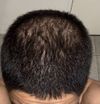
The user shared progress pictures after 10 months using Dutasteride 0.5 mg (Avodart) and Minoxidil 5% (Kirkland) for hair loss. They also lost weight, improving their appearance and making them look younger.
A 17-year-old experiencing early hair loss is advised to improve diet and lose weight gradually, as rapid weight loss and poor diet may contribute to hair loss. Minoxidil is not an option due to tachycardia, and finasteride is not recommended before age 18; alternatives like magnesium oil and dermarolling are suggested.
A user is seeking alternatives to **Curatio Triclenz Hair Cleanser** and **Triflow Hair Conditioner** due to issues with hairweight and scalp pimples. They need recommendations for mild shampoos available in Europe, preferably Sweden.
The user is experiencing hair loss and is considering using topical minoxidil and finasteride due to concerns about liver health, specifically elevated ALT levels from fatty liver. They are advised to start with topical treatments while continuing weight loss and dietary changes to improve liver function.
The user experienced significant hair regrowth after 3.5 months of using finasteride 1 mg daily, despite stopping minoxidil after three weeks. They were surprised by the results and noted some weight gain but no significant side effects.
A user claims to have reversed baldness, possibly due to telogen effluvium recovery after weight loss. Others discuss the potential success of using GHK-Cu for hair regrowth.
Minoxidil and finasteride aid hair regrowth, but a healthy lifestyle, including proper nutrition and maintaining a healthy weight, enhances their effectiveness. Being underweight can impede hair regrowth, while a balanced diet and addressing deficiencies can improve outcomes.
A user experienced significant hair growth using oral dutasteride and minoxidil but developed severe erectile dysfunction, likely exacerbated by obesity and diabetes. They plan to lose weight and possibly adjust medication to alleviate side effects.
The user experienced significant hair regrowth with finasteride but noticed recent hair thinning, possibly due to nutrient deficiencies and weight loss. They plan to add microneedling and consider switching to dutasteride.
Significant hair regrowth was achieved using oral finasteride and topical minoxidil over five months, with noticeable improvements in hairline and temple areas. The user experienced minimal side effects, mainly increased eyebrow and eyelash growth, and attributes additional physical improvements to weight loss and exercise.
The user experienced significant hair regrowth using 1mg oral finasteride daily and recently added minoxidil 5% to address remaining gaps. They reported no significant side effects, attributing any perceived changes to weight fluctuations rather than the medication.
The user experienced hair regrowth after 4 months of using topical finasteride and minoxidil, 2 weeks of dermatolling, and possibly tretinoin. They also noted improved mental health and reduced weight training.
A user suggests making a potent sulforaphane topical to degrade DHT and promote hair growth. Another user notes that sulforaphane's low molecular weight might also lower systemic DHT.
The user experienced significant hair regrowth using Minoxidil (Rogaine) and dermarolling twice a week. They also lost weight and improved their diet, which may have contributed to the results.
The conversation discusses treating side effects of hair loss treatments. Recommendations include lifting heavy weights, reducing body fat, taking ZMA and D3 supplements, improving diet, taking DIM, reducing finasteride dosage, avoiding alcohol, drinking water, getting quality sleep, and not obsessing over side effects.
The conversation discusses the effectiveness of AMSbzs supplements in significantly increasing hair count, weight, and keratin content. The user questions why this treatment isn't more widely known despite its impressive results.
The conversation is about hair regrowth treatments, including ketoconazole, vitamins, fish oil, collagen, pumpkin seed oil, rosemary, and dermal rolling. Users suggest trying finasteride and intense weight training to enhance results.
Dutasteride users have mixed results in hair loss treatment, with some experiencing improvements and others worsening. Some report metabolic changes like weight gain or diabetes, while others have no significant side effects.
A female in her late 30s experienced hair thinning due to health issues and treatments, including antibiotics and stress. She started using minoxidil, biotin, and vitamins from **hers** and is currently dealing with shedding and possible weight gain.
A user started taking oral minoxidil (2.5 mg daily) along with topical minoxidil, dutasteride, microneedling, and various supplements to improve hair growth and overall health. They are also focusing on weight loss, exercise, and better lifestyle habits.
A user's progress with treating hair loss, using minoxidil, finasteride and microneedling. The user experienced impressive results after four months of treatment, and mentioned that stopping recreational drugs and losing weight helped their hair regrowth.
Concerns about the long-term safety of Minoxidil and Finasteride for hair loss, with suggestions to weigh risks and consider cost-effective options like cutting higher-dose pills. Some users prefer Minoxidil due to perceived safety.
Datwagg63 started taking finasteride for hair loss and supplements it with omega 3, vitamins, and a low-carb diet while lifting weights. InternationalBerry suggested adding minoxidil, as it's considered the second most effective treatment after finasteride.
The individual is struggling with hair loss and depression, having tried treatments like Finasteride, Dutasteride, and Minoxidil, but faced side effects and limited success. They are considering a hair transplant and other options while dealing with personal challenges, including knee injuries and weight issues, and are encouraged by others to focus on self-improvement and acceptance.
The conversation is about whether it's safe to take Metformin for weight loss and Finasteride together, with the concern that Finasteride is not commonly used for hair loss treatment in the user's location, and their doctor is not knowledgeable about it.
The conversation discusses a prescribed hair loss treatment combining 12.5% minoxidil with tretinoin, azelaic acid, and topical finasteride, costing $55 a month. One user criticizes the packaging for degrading tretinoin, another suggests it's an overpriced option and recommends topical dutasteride as an alternative due to its higher molecular weight and lower systemic absorption.
A 26-year-old man shared his 2.5-year hair regrowth progress using minoxidil and finasteride, initially experiencing side effects but later continuing treatment with no issues, resulting in improved hair. He lifts weights and wrestles weekly, plans to continue treatment indefinitely, and has had no hairline issues, only diffuse thinning.
A 42-year-old male shared his 1.5-year hair regrowth progress using 1.25mg finasteride daily and regular doses of minoxidil twice a day, and recently started using the Derminator 2. He also mentioned his battle with cancer and Cushing's syndrome, which affected his weight and hair.
The conversation is about a user's 3-month hair loss treatment using topical minoxidil, oral finasteride, a derma roller, ketoconazole shampoo, rosemary oil, and vitamin D supplements, alongside weight loss. Users discuss shedding, vitamin D benefits, and reducing sugar intake.