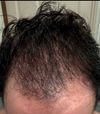
A user who was losing their hair and found an effective solution; they asked for opinions on it and discussed treatments such as Minoxidil, Finasteride, and RU58841, as well as SMP.
The user shared their hormone levels over time while using finasteride and dutasteride for hair loss. They experienced a significant drop in DHT levels but continued to lose hair, hoping for better results in the future.
Baby hairs can mature with long-term DHT reduction, and Minoxidil can aid this process. Dutasteride mesotherapy is effective and preferable to oral pills, as it directly targets tissues.
Increased hair loss after starting a 10g daily creatine regimen, possibly linked to elevated DHT levels despite dutasteride use. Stopping creatine reduced shedding, but the exact cause is uncertain, with discussions on exercise and lifestyle impacts.
The user shared impressive hair regrowth results after 1.5 years using dutasteride (DUT) and oral minoxidil. They switched from finasteride and topical minoxidil due to lack of results and experienced no side effects.
A user shared progress pictures of a hair transplant from Padra Clinic in Toronto, claiming 8000 hairs were transplanted for $4000 CAD. The post faced skepticism, with users questioning the results and clinic's credibility, while the user mentioned using zinc, biotin, and hair laser therapy for aftercare.
The user is considering another hair transplant or scalp micropigmentation (SMP) for a congenital bald spot, but previous transplants were less effective due to scar tissue. Suggestions include using hair fibers, changing hairstyles, or doing nothing, as the spot is not very noticeable.
A user reports using Hims (with finasteride and minoxidil), Kirkland Minoxidil 5%, RU58841, and derma stamping for hair loss and seeks feedback on their 9-week progress, particularly for growth around the temples and crown.
Pelage Pharmaceuticals' PP405 aims to treat hair loss by reactivating dormant hair follicle stem cells, showing promising results in early trials. The company plans to present their findings at the American Academy of Dermatology Annual Meeting in 2026.
A person had a hair transplant at Diamond Hair Clinic with Dr. Mehmet Demircioglu using the Sapphire FUE method with 4500 grafts. They are using Duasteride, oral and topical Minoxidil, and vitamins for recovery and hair growth.
Dutasteride significantly reduces DHT levels in hair follicles, potentially more effectively than previously thought. The discussion highlights differences in DHT measurements and the impact on hair loss treatment.
Low-Level Laser Therapy (LLLT) is seen as a safe and effective method for maintaining hair and promoting regrowth in androgenetic alopecia (AGA) and male pattern baldness (MPB), with devices like the HairMax LaserComb® and iRestore helmet being popular. Some users and professionals are skeptical about its long-term effectiveness and cost.
A 22-year-old male experienced hair regrowth using an intermittent Dutasteride regimen, oral and topical Minoxidil, FolliHair AM/PM, and Salicia KT shampoo. He stopped Dutasteride due to side effects like dry eyes and skin, but noticed increased hair shedding after stopping.
A 35-year-old shared a 2-month update on their hair transplant of 3153 grafts, noting redness, itching, and some pimples, while using finasteride for over 12 years to maintain hair. Users discussed the effectiveness and timing of starting finasteride, with some suggesting consulting a doctor for young individuals considering the treatment.
HairClone plans to start hair multiplication services in 2022. Users discuss various treatments like Minoxidil, finasteride, PRP, and hair cloning, expressing both hope and skepticism about the technology and its costs.
A 26-year-old man shared his positive results after 10 months of treating male pattern baldness using a regimen that includes Estradiol Enanthate, DHPA, Bicalutamide, Dutasteride, oral and topical Minoxidil, and a dermaroller. He experienced mild gynecomastia and reduced body hair as side effects but was satisfied with the outcome.
The post and conversation are about the long-term side effects of using Dutasteride and Finasteride for hair loss, including issues like raised liver enzymes, high cholesterol, and loss of libido. The user advises regular blood work and careful monitoring for those using these treatments.
A person shared their hair transplant experience, mentioning complications like excessive bleeding and density anxiety, and is using finasteride and minoxidil chewables. They traveled to Turkey for the procedure, paid around $3800, and are considering Mexico for future treatments; nicotine use is a concern for their recovery.
A user shared their four-year experience using 0.5mg dutasteride and topical minoxidil once daily for aggressive early hair loss, maintaining their hairline and regrowing hair on the vertex. They've experienced positive social feedback and increased confidence but also deal with dry eyes from dutasteride and worry about its long-term effects and cost.
A gel of keratin microspheres promotes hair follicle growth, showing similar effectiveness to minoxidil in mice. The treatment activates hair growth pathways and reduces inflammation, with potential applications in drug delivery for hair-related disorders.
Hair loss, DHT and bloodflow with Andrew Huberman; the discussion includes opinions about supplements, finasteride, minoxidil, turmeric, coffee and botox injections for hair loss.
A new brand is seeking 10 U.S.-based individuals aged 25+ experiencing hair loss to test a topical product containing GHK-Cu and Acetyl Tetrapeptide-3. Participants must not be using other treatments like finasteride or minoxidil and will provide feedback and photos.
Stem cell-related treatments and drugs like RCGD423 and WAY are being tested for hair growth. Clinics are conducting tests on patients who haven't had previous treatments.
Dutasteride has been used for 20 years with some hair thickness improvement but no dramatic regrowth. The user also experimented with minoxidil, tretinoin, and peptides like BPC 157 for potential benefits in hair density and quality.
A user experienced significant hair regrowth using dutasteride without side effects, starting with finasteride and not using minoxidil or dermarolling. They attributed success to a unique genetic response to DHT blockers but did not share their full regimen, frustrating others.
The user switched from finasteride to dutasteride eight months ago due to worsening hair loss but continues to experience hair thinning and seeks advice on additional treatments. They are asking for suggestions on medications, topical therapies, lifestyle changes, or professional treatments.
A 49-year-old male switched from Finasteride to Dutasteride 2.5 mg daily, along with oral Minoxidil 5 mg, resulting in significant hair regrowth and stopping hair loss after six months. Despite initial side effects like adrenaline spikes and urinary issues, the user is satisfied with the results and plans to continue the treatment.
The user experienced significant hair regrowth using dutasteride (0.5 mg three times a week) and RU58841 (5% once a day), with no side effects reported from RU58841. They are considering increasing the RU58841 dose or adding minoxidil for further improvement.
The conversation discusses hair loss treatments, including the use of Dutasteride, Minoxidil (both topical and oral), and dermastamping at a 2.5mm depth. Users share progress, experiences, and opinions on these treatments.
The conversation is about a user switching from finasteride to dutasteride after 4 years due to continued hair recession and miniaturization. The user plans to gradually increase to 1mg of dutasteride daily.