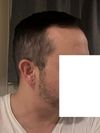
A 23-year-old male is experiencing diffuse hair loss and miniaturization, possibly due to high IGE levels after using tofacitinib. He seeks advice and has not yet consulted a dermatologist.
The conversation is about a user planning a blood test to monitor health while on hair loss treatments: Finasteride, Minoxidil, and Dutasteride. Recommendations include testing for androgens, thyroid function, micronutrients, and basic health markers, with additional suggestions for PSA, prolactin, and estradiol.
The user had lab work done to check for thyroid issues and other factors related to hair loss. They are seeking advice on which lab results are important for understanding hair loss and what the optimal levels should be.
The user is considering getting blood work to investigate the cause of ongoing hair loss despite using finasteride and dutasteride. Others suggest that while blood tests can provide useful health information, they may not change the hair treatment outcome.
The user is pleased with their hair transplant results after six months and seeks feedback. The conversation is positive, with others affirming the success of the procedure.
Longitudinal partial follicular unit transplantation involves extracting part of the donor follicular unit, allowing the donor area to be overharvested without noticeable hair loss. The conversation questions if this method is practiced in clinics or if it's theoretical, and whether it relates to hair cloning or multiplication.
Analyzing data on pyrilutamide, a potential hair loss treatment, as well as the effectiveness of other treatments such as Minoxidil, Finasteride, and RU58841.
The user has high DHT levels despite using dutasteride, which may not be effective due to potential damage or spoilage. They are considering a hair transplant if DHT levels don't decrease after two years.
The user noticed small circular hairless spots after a buzz cut and has been using finasteride, dutasteride, and oral minoxidil for hair loss. They are experiencing continuous shedding and thinning, and it is suggested they consult a dermatologist for a scalp examination and possible biopsy to determine if it's alopecia areata or androgenetic alopecia.
The user is 2 months post-hair transplant with 6,000 grafts using the DHI method and is using oral finasteride, minoxidil, and vitamins. They are seeking feedback on their progress.
Hair loss is linked to cellular physiology and the IGF-1 to TGF-B1 ratio, not just androgen sensitivity. The theory lacks evidence, while finasteride and minoxidil are effective treatments.
A user shared their 5-month progress in treating hair loss using HIMs topical finasteride and minoxidil, micro-needling with a 1.5mm needle, and RU-58841. The post includes progress pictures showing improvement from a NW7 hair loss stage.
The user has been using finasteride, dutasteride, and minoxidil without success and is considering a comprehensive blood test to explore other causes of hair loss. They are unsure about the necessity and cost of the extensive tests and are seeking advice on whether to proceed with the full panel or focus on specific tests.
The conversation discusses the removal of Breezula phase II 12-month results by Cassiopea and the search for the original data. Concerns were raised about potential negative long-term effects on hair growth, such as androgen receptor upregulation.
A woman discovered her long-term hair loss was due to undiagnosed anemia, with ferritin levels as low as 9. After starting iron supplements, she saw significant hair regrowth, especially in previously bald areas, though some spots remain unchanged.
The user is experiencing one-sided diffuse thinning and has been using finasteride and liquid minoxidil for 4-5 years with minimal results. They are considering whether to save for a hair transplant or address scalp sensitivity and irritation first.
The conversation discusses personal experiences with hair loss and highlights the potential impact of anemia and nutrient deficiencies on hair health. Treatments mentioned include changing shampoo/conditioner, taking MSM, collagen, hyaluronic acid, astaxanthin, B12, folate, and bovine blood capsules.
Hopeful treatments for hair loss, including Verteporfin, Androgen Receptor Degradation, and SCUBE3. These treatments offer potential solutions to slow or stop the effects of androgens on the scalp.
Hair growth success may be linked to addressing scalp fungi issues, with treatments like minoxidil, finasteride, and dutasteride being important. DHT may contribute to scalp microbial issues, potentially causing inflammation and hair loss.
The user has experienced hair regrowth using finasteride, minoxidil, dermarolling, and nizoral shampoo, but is considering a hair transplant due to advanced hair loss. Others suggest checking the donor area and considering a reputable surgeon for a potential transplant.
The user shared their hormone levels over time while using finasteride and dutasteride for hair loss. They experienced a significant drop in DHT levels but continued to lose hair, hoping for better results in the future.
A transwoman shared her 11-month progress using hormone replacement therapy (HRT), finasteride, and minoxidil, reporting significant hair regrowth and satisfaction with the results. The discussion included various perspectives on HRT, its effects on hair and sexual function, and personal experiences with similar treatments.
A 20-year-old is concerned about hairline changes and wonders if it's maturing or male pattern baldness (MPB). Suggestions include consulting a specialist and considering treatments like finasteride or minoxidil.
The hair transplant at Eugenix in New Delhi resulted in poor density and texture, with only about 2,500 grafts surviving out of 4,500. The user is considering holding the clinic accountable and exploring options like shaving, using hair fibers, or seeking another transplant.
The user is using topical finasteride, Bioscalin, Omega 3, and hair filler therapy for hair loss. There is some progress noted, but varying photo angles and lighting make it hard to assess fully.
A user shared their pre-finasteride lab results, including DHT, estradiol, testosterone, SHBG, prolactin, FSH, and LH levels. Another user responded, cautioning against making unsupported claims about side effects and recovery.
A user started taking finasteride 1mg/day for hair loss but hasn't seen results yet. They also take vitamins and asked about adding minoxidil and the effectiveness of LLLT.
A user preparing to start finasteride for hair loss wanted to check for any abnormal bloodwork related to hair loss. They shared their blood test results and learned from another user that their doctor prescribed finasteride without any preliminary tests.
The user is experiencing reduced hair shedding and increased hair density after using finasteride, minoxidil, derma rolling, granactive retinoid, and Nizoral, while also taking testosterone and aromatase inhibitors. They question if they are a hyper responder to the treatments, despite mixed feedback from others about visible progress.
Hair loss without a white bulb may indicate mechanical damage, anagen effluvium, alopecia areata, or traction alopecia. Seeking a specialist is recommended, but access can be difficult in smaller areas.