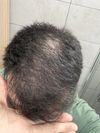
Mixing 2.5mg of minoxidil powder with 150ml of water seems to eliminate its blood pressure effects, causing only a brief 20-second hypertension. The reason for this effect is unclear.
The user switched from topical to oral minoxidil (5mg daily) a year ago, saw no improvement, and experienced chest pain and trouble sleeping after stopping. They are considering whether to resume and taper the dosage due to stress and anxiety.
A 68-year-old woman with iron deficiency and hypertension is considering using 5% minoxidil for hair regrowth and plans to see a dermatologist. Some suggest using wigs and focusing on health, while others recommend checking for hormone imbalances and nutritional deficiencies.
Minoxidil was used as a hair treatment by crushing hypertension tablets and mixing them with other ingredients. It was noted to thicken existing hair more than promoting new hair growth.
Access to minoxidil and finasteride in prison is unlikely unless prescribed for medical conditions like hypertension or benign prostatic hyperplasia. Cosmetic treatments are generally not provided in prison.
Low-dose oral minoxidil is used for hair loss and does not significantly affect blood pressure but may increase heart rate and cause hypotensive symptoms. Some users experience side effects like palpitations and shortness of breath, while others find it effective; topical minoxidil with tretinoin is also considered.
A user is seeking advice on obtaining oral minoxidil in Australia through telehealth services. They are considering options like Mosh and are unsure if they should mention previous use or claim it's for hypertension.
The conversation is about a person experiencing hair loss from steroid use, considering treatments like RU58841, dutasteride, and Nizoral, while avoiding finasteride and Minoxidil due to concerns about hormones and hypertension. The consensus suggests using dutasteride or finasteride, as Nizoral alone is not effective.
A 21-year-old male with advanced hair loss (NW7) started using finasteride and minoxidil 10 months ago but hasn't seen much progress. He is pre-diabetic with stage 1 hypertension and is seeking insights on whether treating these conditions could improve hair regrowth.
The user checked iron, ferritin, B12, zinc, testosterone, DHT, and estrogens to understand hair loss causes and the effects of dutasteride. They also noted increased heart rate and paleness with oral minoxidil.
How oral minoxidil and topical sildenafil (similar to Viagra) are used for hair growth by increasing blood flow to the scalp, and potential side effects of combining these treatments with other drugs.
The conversation discusses using Latanoprost for hair regrowth, with the original poster seeking advice on where to purchase it without a prescription. Users suggest alternatives like Triple Hair's TH-07, which includes Finasteride, Minoxidil, and Latanoprost, and Strut's Latanoprost with melatonin and caffeine.
The user has been using oral minoxidil (5mg), finasteride (1mg), and biotin for 4 months with minimal progress in hair regrowth. Other users suggest patience, considering alternative treatments, and note that biotin may not significantly contribute unless there's a deficiency.
Minoxidil is used for hair loss and sometimes for high blood pressure, but it's outdated for the latter. For high blood pressure, it's combined with a beta blocker and diuretic to manage side effects.
The conversation discusses hair loss treatments beyond the commonly known three, focusing on separating effective treatments from myths. Dutasteride and low-dose oral Minoxidil are mentioned as having clinical evidence for increasing hair counts, but with potential side effects.
The user started using 0.5mg Dutasteride, switched to 10mg oral Minoxidil, and began micro-needling in February 2026, noticing slow but steady hair growth. Other users suggest using lower doses of Minoxidil and commend the visible progress.
The user experienced positive hair regrowth after 4-5 months using oral minoxidil (10mg) and finasteride (1mg) without side effects. Concerns were raised about the high dosage of minoxidil and potential long-term health risks.
The conversation discusses a hair loss treatment regimen including oral dutasteride, oral minoxidil, tadalafil, and the recent addition of RU58841. The user shares experiences with these treatments, noting significant hair regrowth and stabilization, and discusses the cost and preparation of RU58841.
Oral minoxidil may cause heart palpitations, especially in those sensitive to caffeine. It's advised to consult a doctor and consider starting at a low dose or using topical minoxidil.
Spraying or drinking topical minoxidil is dangerous and less effective than oral minoxidil. Proper oral minoxidil, like Loniten®, is recommended for safety and effectiveness.
The user plans to start 1 mg finasteride immediately and oral minoxidil two months later after a hair transplant, considering potential side effects and exposure risks. They seek advice on timing due to concerns about shedding before their wedding.
Liquid minoxidil makes hair sticky and stiff; users suggest oral minoxidil or minoxidil foam as alternatives. Applying minoxidil four hours before showering can help with absorption.
The conversation discusses hair regrowth after nearly 7 months of using 1mg finasteride and dermarolling, with some users noticing thicker hair and improved density. Minoxidil was suggested but ruled out due to the user's cats, and a hair transplant was mentioned as a potential solution for completely bald areas.
The user started treating hair loss last summer with 1mg finasteride, topical minoxidil from Costco, and weekly dermastamping. They plan to begin using dutasteride and oral 5mg minoxidil to further enhance hair growth.
The user reported positive feedback on hair appearance after switching from topical to oral minoxidil and finasteride, with no side effects. The treatment includes 1.1mg finasteride, 3mg minoxidil, biotin, and vitamins B5, B6, and C daily.
This user discussed using oral minoxidil as a hair loss treatment, and was cautioned against mixing topical minoxidil with water and drinking it due to potential side effects and risks. Other users shared their concerns about the dangers of self-prescribing medications without consulting a doctor.
User took Fin for 3 years, Dut for 7 months, and oral Min for 2 months without side effects. Fin stopped hair loss for 2 years, Dut maintained hair, and oral Min regrew thinning hair.
A 35-year-old is seeking advice on hair loss treatments, considering minoxidil, finasteride, and possibly a hair transplant in Turkey. They have previously tried microneedling for a year.
Oral minoxidil can cause side effects like shortness of breath and constipation, which may be reduced by taking it in the morning. Some users experience no side effects, while others switch to topical treatments or adjust their dosage and timing to manage symptoms.
The user experienced initial hair regrowth using finasteride, minoxidil, and a dermaroller but faced setbacks after a treatment break and dry scalp issues. They are considering switching treatments and have added ketoconazole shampoo and reservatol plus to their regimen.