The conversation discusses using a 5% Topical Minoxidil with 0.01% Tretinoin serum for hair loss, noting its lack of propylene glycol to avoid itchiness and greasiness. Users share experiences with different Minoxidil formulations and discuss the effectiveness and stability of Tretinoin in various forms.
Hair cell therapy and follicle cloning are still in experimental stages, with treatments like hair multiplication and regenerative hair therapy being marketed but not yet proven to create unlimited new follicles. There is skepticism about the effectiveness and legitimacy of these treatments, with some considering them scams.
Comparing the effectiveness of RU58841, Pyrilutamide and CB-03-01 as treatments for hair loss, with people discussing different aspects such as binding affinity, time of inhibition, safety data and cost.
The user experienced significant hair thinning despite using finasteride and minoxidil, leading to concerns about whether it's a temporary shed or a more serious issue. They plan to start using RU58841 and are advised to consult a doctor to rule out other causes like autoimmune disorders.
User is using minoxidil with tretinoin 0.025% and experiencing peeling and burning on the scalp. They are unsure if it's effective or if they are using it too frequently.
Minoxidil can be effectively delivered through nanoemulsions containing eucalyptol or oleic acid, enhancing its diffusivity and targeting hair follicles. This contradicts the advice against mixing minoxidil with oils in topical formulations.
The conversation discusses hair loss treatments, specifically Minoxidil, finasteride, and RU58841. It also mentions an update on Dr. Bloxham's Verteporfin treatment.
A clinical trial for Verteporfin as a hair loss treatment, and the potential for greater progress in treatments for hair loss in the future. Common treatments such as Minoxidil, Finasteride and RU58841 were discussed.
The post discusses a successful hair loss treatment involving a hair transplant, finasteride, and minoxidil. The user underwent a 2000 graft hair transplant at the hairline in a clinic in Sweden.
A 34-year-old male started using 5% minoxidil foam for hair loss and experienced shedding, which is a normal part of the process. He is considering adding finasteride to his regimen but is concerned about potential side effects, particularly sexual performance issues.
A 21-year-old male experienced negative side effects from oral finasteride and is considering switching to topical finasteride or RU58841 after using oral minoxidil. He seeks advice on a standard hair loss routine, mentioning peptides, RU58841, and dermarolling.
Kintor 0.9% is not effective for hair regrowth or thickening and may cause testicle sensitivity. The conversation criticizes the hype around Kintor and discusses the ineffectiveness of pyrilutamide compared to other treatments like RU58841, finasteride, and minoxidil.
Redensyl, a hair loss treatment that has been claimed to be 80% more effective than minoxidil, but users have not experienced any results from using it.
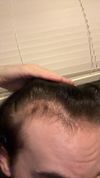
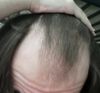
The user is experiencing hair thinning and loss at the temples, likely due to androgenetic alopecia. Suggested treatments include finasteride and minoxidil to slow hair loss and promote regrowth, with buzzing hair short as a styling option.
The conversation discusses using a lipodermal solution for hair loss, with concerns about side effects from multiple active ingredients. Users mention experiences with minoxidil, finasteride, and dutasteride, noting side effects like brain fog and sexual issues.
Exosomes combined with fractional picosecond laser treatment were effective in treating androgenetic alopecia and promoting repigmentation in white hair patches. The role of exosomes in hair repigmentation, particularly in conditions like poliosis, is not well-studied.
A peptide-based delivery system for finasteride shows promise in reducing systemic side effects while maintaining hair growth effectiveness. Combining this with other treatments like minoxidil and RU58841 could enhance results with lower systemic absorption.
The conversation is about creating homemade topical melatonin for hair loss, with one person suggesting adding melatonin to stemoxydine as a potential treatment.
Avoid home-compounding topical minoxidil due to potential risks and complications. Use proper equipment and techniques to prevent aerosolization and ensure effective dissolution.
The conversation discusses using propanediol as an alternative to glycerin in PG-free minoxidil for better absorption. The user also plans to try nanoxidil, which may absorb more easily due to its smaller molecule size.
The conversation discusses switching from RU58841 to pyrilutamide for hair loss treatment, with users generally recommending staying on RU58841 if it is effective. RU58841 is sourced from GeneTherica, which ships worldwide.
A human trial of verteporfin, a drug that can inhibit wound healing by scarring and promote regeneration of original tissue and hair follicles to provide an unlimited source for hair transplants; people discussed the potential of this drug and how it could be rolled out in mainstream with more doctors getting on board.
Hmi115, a prolactin receptor blocker, showed promise for hair growth, but results from Phase 2 trials have not been published. ABS-201, an AI-based analog, is expected to begin trials in December 2025, while commercialization of treatments like PP-405 is anticipated around 2027.
Hair loss treatments discussed include promising Pyr available online and Verteporfin dosing after FUE for follicle regeneration, but no updates on SCUBE3.
The conversation discusses the use of RU58841 for hair loss, with concerns about its legality in Germany and potential legal consequences. Alternatives like finasteride and dutasteride are mentioned, with some users questioning the effectiveness and safety of RU58841.