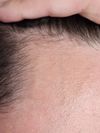
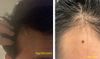
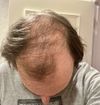
Minoxidil is being questioned for its effects on surrounding hair when applied to a receding hairline. The user is concerned it might worsen the appearance by causing nearby hair to fall out.
The user is experiencing a strange hairloss pattern despite using dutasteride for 3 years and minoxidil with tretinoin for 1.5 years. They recently added microneedling and are considering a scalp biopsy to understand the cause.
The conversation discusses hair thinning and treatments like Minoxidil, finasteride, and RU58841. The user is concerned about distinguishing between natural hair parting and actual thinning.
Hairloss treatments discussed include finasteride, minoxidil, spironolactone, and estradiol, with concerns about side effects like sexual dysfunction and feminization. Some users prefer hair transplants or shaving over medication due to potential side effects.
A 19-year-old male has been losing hair since 16-17 and feels more depressed after 6 months of using topical minoxidil and finasteride, which made his hair dry and greasy. Another user suggested switching to oral finasteride and provided tips for using topical minoxidil to reduce greasiness.
A new hairloss treatment called TDM-105795 is discussed as a potential replacement or add-on to Minoxidil. Users express hope for new effective treatments.
A user is considering using RU58841 for female pattern baldness and is also planning to use Minoxidil. They are hesitant to ask their doctor for spironolactone due to its cosmetic nature and are experiencing significant hairloss possibly due to stress and hormonal issues.
A blood cancer survivor in remission since 2022 is experiencing thin and patchy hair after chemotherapy and is using Minoxidil without much success. They are seeking personal experiences and advice on hair transplants after cancer treatment.
Inflammation on the scalp can hinder hair regrowth and the effectiveness of treatments. The user is using ketoconazole shampoo, Selsun Blue, finasteride, and oral minoxidil.
Current hairloss treatments include finasteride, dutasteride, minoxidil, and derma rolling. New treatments like TDM-105795, GT20029, and others show promise but require more testing and time before approval.
A 21-year-old experiencing hairloss was prescribed two shampoos and hair vitamins by a dermatologist who suggested seborrheic dermatitis as the cause. However, users in the conversation suggested the hairloss could be male pattern baldness (MPB), recommending monitoring the situation and considering finasteride as a treatment.
A user shared a 6-month hairloss progress update using 1 mg finasteride, plans to start minoxidil and RU58841 due to severe shedding, and seeks advice. Others suggest maintaining treatment, switching to different medications, and considering more aggressive treatments due to strong genetic predisposition to baldness.
A 21-year-old is experiencing hairloss despite using finasteride, minoxidil, derma rolling, vitamins, and keto shampoo. They are contemplating a hair transplant but worry about their age and future hairloss.
The user experienced hairloss from age 16 to 24 and tried various treatments. Effective treatments included Finasteride, Minoxidil, and hair transplants, while thickening shampoos, biotin, laser hair therapy, and excessive exercise were ineffective.
The conversation discusses using RU58841 or Pyrilutamide for hairloss, with some users suggesting switching to more proven treatments like oral or topical finasteride. One user reports no progress with RU58841, finasteride, and minoxidil, and mentions experiencing regression.
A 31-year-old has been using finasteride, dutasteride, and oral minoxidil for hairloss. They noticed a sudden triangular thinning patch on their scalp and are seeking advice, questioning if it could be medication-related.
A 24-year-old with early hairloss is managing it with finasteride, minoxidil, and dutasteride, and is considering using a hair system for more styling options while maintaining transparency. They emphasize confidence and self-expression over hair, viewing it as an amplifier rather than a foundation.
The user experienced severe dandruff and hairloss, trying various treatments including oils, vitamins, and minoxidil. They found success by simply dampening their scalp with water twice a day, which improved their hair's appearance and eliminated psoriasis.
A user is seeking a hair-loss shampoo without salicylic acid due to an allergy. Recommendations include using Finasteride, Minoxidil, and Nizoral Anti-Dandruff Shampoo (ketoconazole), while avoiding Nizoral Scalp Psoriasis Shampoo & Conditioner.
Hairloss involves more than just DHT, with genetic factors like TRPS affecting hair follicles. Treatments such as Amplifica's AMP-601 and AMP-303 target stem cells for potential hair growth solutions.
A 21-year-old experiencing significant hairloss despite using dutasteride, oral minoxidil, ketoconazole shampoo, and low-level laser therapy seeks advice. Suggestions include adding microneedling, checking for vitamin deficiencies or thyroid issues, and considering a scalp biopsy for other conditions.
The user experienced hairloss after a hair transplant and stopped using finasteride and minoxidil temporarily, as advised by their medical team. They resumed the treatments and are hopeful for regrowth, attributing the current hairloss to shock loss and shedding.
A 31-year-old with diffuse thinning experienced significant hair regrowth after nearly 5 months on Finasteride 0.75mg MWF. Despite initial side effects like testicle pain and reduced sex drive, these issues resolved, and positive effects included reduced nighttime urination and scalp itching.
The DHT itch is linked to hairloss and persists despite finasteride use; switching to dutasteride helped alleviate the itch and promoted regrowth. Some users suggest seborrheic dermatitis as a cause and recommend treatments like medicated shampoos, vitamin D, and minoxidil.
The conversation discusses a hairloss treatment regimen involving finasteride, dutasteride, spironolactone, bicalutamide, oral estradiol, microneedling, and minoxidil. The regimen aims to reduce androgenic alopecia by blocking DHT and androgens, with a caution about potential feminizing effects.
A user with alopecia totalis, borderline universalis, seeks advice on getting into a Xeljanz trial or appealing insurance for coverage. They experienced significant hair regrowth but are now seeing hairloss again and want to try Xeljanz.
Increased hair shedding can occur when starting Finasteride, but it's usually temporary. Adding Minoxidil may help regrow and thicken hair, while vitamins are only beneficial if there's a deficiency.