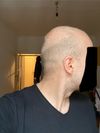
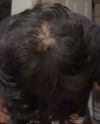
The conversation is about severe Vitamin D deficiency and its potential link to hairloss. The user is already using oral finasteride, topical finasteride, and topical minoxidil for aggressive hairloss.
A 27-year-old man is fighting hairloss using oral finasteride, oral and topical minoxidil, nizoral shampoo, microneedling, argan oil with rosemary extract, and plans to add RU58841 and The Ordinary hair peptide serum. He seeks advice on combining these treatments and will document his progress.
A new hairloss treatment theory beyond minoxidil and finasteride is proposed, causing mixed reactions in the community, with some members eager to explore and support it, while others call for more research and evidence.
The conversation discusses hairloss, with users suggesting treatments like ketoconazole shampoo, finasteride, and dutasteride. Symptoms like burning and tenderness are mentioned, with recommendations to see a dermatologist for potential scarring alopecia.
User experiences slow hair regrowth despite using finasteride, topical minoxidil, and supplements like biotin, zinc, and collagen. They seek advice on addressing overall slow hair regrowth.
A 22-year-old man experienced significant hairloss after stopping minoxidil and finasteride, causing emotional distress. He resumed these treatments and is considering dutasteride and microneedling to manage his hairloss.
The user is using a comprehensive hairloss prevention regimen including Dutasteride, RU58841, topical treatments, red light therapy, microneedling, and supplements like Nutrafol, while avoiding Minoxidil. They also supplement with vitamin D and zinc and plan to start testosterone replacement therapy (TRT) in January.
A young person is experiencing aggressive hairloss and not responding well to minoxidil and finasteride. Suggestions include trying dutasteride, hair systems, lifestyle changes, or considering a wig.
The user is experiencing significant hairloss despite using treatments like finasteride, minoxidil, dutasteride, micro-needling, rosemary oil, and various vitamins. In the conversation, others suggest checking iron and hemoglobin levels, maintaining a positive attitude, and adding RU58841 to the treatment regimen.
ET-02, a new hairloss treatment, shows promising results with a 6-fold increase in hair count, potentially outperforming minoxidil by activating stem cells in hair follicles. Further trials are ongoing to confirm its efficacy and safety, with potential market release in the future.
A 25-year-old with AGA experienced hair thinning and dandruff, stabilized with topical finasteride and minoxidil but saw minimal regrowth. They seek advice on styling and consider oral minoxidil and microneedling for denser hair.
A 17-year-old male is concerned about hairloss and is considering treatments like Minoxidil, finasteride, and RU58841. The discussion includes sharing images of the hair condition for advice.
The user has been experiencing worsening hairloss despite using finasteride, minoxidil, and later switching to dutasteride. Despite normal bloodwork and consulting dermatologists, the hairloss continues without improvement.
Hairloss treatments discussed include Minoxidil, Finasteride, microneedling, red light therapy, and biotin pills. The most proven treatments are Minoxidil, Finasteride, and microneedling, while other methods are considered less effective or satirical.
The conversation discusses using oral Minoxidil, topical Minoxidil with RU58841, Finasteride, and serioxyl for hairloss. It also asks for opinions on the effectiveness of other treatments like Setipiprant, Dutasteride, and Spironolactone, and thoughts on HMI-115 and GT20029 trials.
Users discuss hairloss and styling techniques to conceal thinning hair, mentioning treatments like finasteride and oral minoxidil. Some stop hairloss but not regrow hair, considering options like scalp micropigmentation or hair transplants.
Increasing IGF-1 may help hair growth, but it could also increase hairloss in people with high testosterone. Treatments discussed include l-arginine, glutamine, vanadium, Deer Antler Velvet, ATP, Cocarboxylase, l-carnitine, and Mk677.
A user experienced severe hairloss after taking testosterone, despite using treatments like Dutasteride, RU58841, and Minoxidil. The user regrets taking testosterone, as it seems to have permanently increased sensitivity to DHT, accelerating hairloss.
A user shared a blog post by "swissTemples" claiming to have reversed hairloss using a combination of treatments including suppressing PGD2 and increasing PGE2. The user noted that "swissTemples" has been banned from forums, possibly due to conflicts of interest.
A new hairloss treatment, PP405, is moving from phase 2A to 2B in clinical trials, sparking discussions about its potential to regrow dormant hairs and its impact on existing treatments like Minoxidil and finasteride. Some users express skepticism, while others are hopeful about its future effectiveness.
Genetics primarily determine hairloss, not lifestyle factors like diet, exercise, or habits. Treatments like finasteride and minoxidil are recommended, but ultimately, happiness should not depend on hair.
User losing hair for 3 years tried shampoos, minoxidil, derma rolling, finasteride, and Adegen's 15% minoxidil protocol without success. Another user suggests lowering finasteride dosage and trying topical non-steroidal anti-androgens like Fluridil, RU58841, and Breezula.
A 31-year-old male experiencing hair thinning since age 25-26 uses minoxidil, finasteride, a red laser cap, and microneedling to promote hair growth. Users suggest reducing microneedling frequency to once a week to avoid damaging hair follicles.
The conversation is about dealing with hairloss, with the original poster deciding to start using topical finasteride and minoxidil after unsuccessful PRP and Regenera treatments. Others share their experiences with hairloss, treatments, and the importance of finasteride to prevent further hairloss.
A 68-year-old is experiencing increased hairloss despite using Minoxidil and is seeking alternative treatments. Suggestions include considering finasteride or RU58841 as potential options.
DHT may inhibit hair growth by affecting mitochondrial function, leading to hair follicle miniaturization. Treatments like minoxidil and PP405 may promote hair growth by altering metabolic pathways, potentially counteracting DHT's effects.
Matt-3422 shared his hairloss treatment journey, starting with great results from Minoxidil and oral Finasteride, then switching to RU58841 and topical Finasteride due to worsening hairloss. He's experiencing scalp irritation and is unsure if he should continue with his current regimen, while others suggest scalp care and alternative treatments.
For hairloss, start with Finasteride, Minoxidil, Ketoconazole shampoo, and Microneedling. For severe cases, consider Dutasteride, oral Minoxidil, or hair transplants.
A new drug can regrow teeth, but hairloss treatments like Minoxidil, finasteride, and RU58841 are still being developed. Users express hope for future advancements and discuss the importance of mental health and the potential profitability of hairloss solutions.
A 27-year-old male is using a regimen of topical finasteride, minoxidil, ketoconazole, and biotin for hairloss, and has recently started oral finasteride despite previous side effects. He is considering shaving his head and is advised that a hair transplant might be possible once hairloss stabilizes.