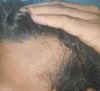
User reports 3 months of microneedling, minoxidil, finasteride, biotin, and zinc for hair loss. Others comment on great progress and suggest checking back after 1 year.
The mechanism of Androgenic Alopecia and practical applications of treatments like Minoxidil, Finasteride, RU58841, dermarolling, scalp massages, anti-fungals, progesterone, estrogen, PPAR-γ activators, reducing oxidative stress, and scalp exercises. It explains why DHT is important in AA and how other factors might be involved such as hypoxia, increased DKK-1 expression, morphological changes to the scalp, skull growth during childhood/puberty, and blood flow.
The user shared progress pictures showing improvement in hair growth after one year of using finasteride and minoxidil. They are considering microneedling to further improve their hairline and have chosen to use a derma stamp.
Hair density and color improved with 1mg oral finasteride, 3mg oral minoxidil, red light therapy, biotin, and microneedling. Visible results seen in 3 months.
The conversation discusses using low-dose topical finasteride, specifically 0.005% and 0.01%, for hair regrowth, with some users considering increasing the concentration for better results. Users share experiences with different dosages and combinations, including minoxidil, and discuss the effectiveness and availability of these treatments.
A 29-year-old male is using Minoxidil 5%, Finasteride 1mg, rosemary oil, and keto shampoo daily to combat male pattern baldness. He recently noticed baby hairs and stopped hairline recession, feeling optimistic about future progress.
A 25-year-old male is concerned about his blood test results, particularly the low percentage of free testosterone, and is questioning whether starting finasteride for hair loss might worsen this issue. He also notes a slight vitamin D deficiency and lack of sleep before the test.
A user shared a discount code for RU58841 from Anagen Inc, which some users find effective for hair loss without side effects. Another user expressed skepticism about the safety of RU58841 due to limited research.
The user experienced side effects from oral finasteride and tried mixing it with liquid minoxidil but faced application issues. They are seeking a 5% minoxidil foam with a maximum of 0.15% topical finasteride concentration.
A user shared progress pictures after 15 months on 0.5 mg finasteride, reporting significant hair regrowth starting around 9 months. They no longer see the need for a hair transplant.
The user started using 0.1% finasteride and 5% minoxidil twice daily and experienced an itchy scalp. Suggestions include checking for allergies, dry scalp, or seborrheic dermatitis.
Exosome injections stimulate hair growth by using exosomes' healing potential to awaken dormant hair follicles and promote new hair cell creation. The procedure increases scalp blood circulation, encourages collagen and elastin formation, and regenerates hair follicles, improving hair thickness and quality.
The user has seen no regrowth after 1 year and 2 months on finasteride, despite increasing the dose, and is inquiring about the potential of future treatments like verteporfin and gt20029 for hair regrowth.
The conversation discusses alternatives to minoxidil and finasteride for hair regrowth, with mentions of essential oils, PRP therapy, and RU58841. The focus is on finding treatments with minimal side effects, especially concerning fertility.
Tretinoin may help more minoxidil convert to its active form and could potentially increase its absorption, raising concerns about safety if too much enters the bloodstream. It's unclear if tretinoin affects finasteride absorption.
The user has been experiencing diffuse hair thinning despite using finasteride, minoxidil, dermarolling, clobetasol cream, and PRP sessions. They seek advice on additional treatments and are advised to check vitamin D, iron, and thyroid levels.
Microneedling, when combined with finasteride and topical minoxidil, can enhance hair regrowth for male pattern baldness, especially at the temples. Users report varying success with needle depths between 0.5mm and 1.5mm, with stamps preferred over rollers to minimize scalp damage.
A 26-year-old male with early hair thinning is using finasteride, topical minoxidil, and supplements for deficiencies in iron, B12, and vitamin D3. He is considering adding oral minoxidil to his treatment plan.
The conversation is about using inositol for hair loss, particularly its potential benefits for men, given its success in women with PCOS. The discussion includes treatments like Minoxidil, finasteride, and RU58841.
The user experienced significant hair regrowth after one year of using finasteride and minoxidil, with noticeable improvements starting around 4-6 months into the treatment. They advise trying these treatments for hair regrowth, noting no short-term side effects, and suggest starting minoxidil if no regrowth is seen after six months on finasteride.
Some people may not respond to topical minoxidil due to low SULT1A1 enzyme activity, but oral minoxidil can be effective. Tretinoin may enhance minoxidil's effectiveness, and some users prefer oral minoxidil despite side effects.
A peptide-based delivery system for finasteride shows promise in reducing systemic side effects while maintaining hair growth effectiveness. Combining this with other treatments like minoxidil and RU58841 could enhance results with lower systemic absorption.
A 15% discount is offered on hair research products like RU58841 and TEMPOL at Chemyo.com. The legality of selling these compounds is confirmed by the seller.
User "burlysnurt" shares 1.5-year progress using Finasteride and Minoxidil for hair loss. Others congratulate and ask questions about the treatment, with "burlysnurt" sharing their routine and positive results.
Microneedling combined with tretinoin is discussed for its effectiveness in treating hair loss. Minoxidil, finasteride, and RU58841 are also mentioned as potential treatments.
A 21-year-old with diffuse thinning hair is considering RU58841 due to side effects from topical finasteride and is asking for the lowest effective dose and time to see results from RU58841 users.
A user reported hair regrowth and increased thickness after 11 months using finasteride 1mg, taken 3-4 times a week, with noticeable improvement starting around the third or fourth month. No side effects were mentioned, and the user is considering reducing the dosage to find the minimum needed to maintain results.
Increased scalp itching during shedding phases while on finasteride treatment may coincide with hair regrowth and recovery. This suggests that itching might not always indicate continued hair loss and could encourage persistence with the treatment.