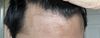
The user has been using finasteride, minoxidil, and a derma stamp for 3 months with significant improvement. They are now adding ketoconazole to their routine.
Using liposomal solutions with dutasteride, minoxidil, and tretinoin worsened hair loss due to buildup and scalp issues. Consulting a professional and returning to simpler treatments like finasteride and minoxidil improved the situation.
A user with diffuse thinning noticed stubble-like hairs on their scalp after using 2% ketoconazole shampoo, dermarolling, castor oil, Vitamin D3, biotin, and iron supplements. They are unsure if this indicates regrowth or miniaturized hairs.
Seborrheic dermatitis improved after a hair transplant. Effective treatments include Sebamed Anti-Dandruff Shampoo, Vichy Anti-Dandruff Shampoo, Nizoral, and medications like finasteride, dutasteride, and minoxidil.
The conversation discusses the potential of using topical estrogen treatments for hair loss without systemic absorption, highlighting challenges and possible solutions like using estriol. It also mentions other treatments like topical finasteride, microneedling, and scalp massage, while noting the limitations and side effects of current options.
A 28 year old male experiencing diffuse thinning, chronic dandruff and scalp crust (seborrheic dermatitis), with replies discussing the use of topical fin for hormone imbalances and Nizoral for seb derm.
Ultrasound imaging can predict hair shedding and assess hair growth stages by analyzing hair follicle characteristics. The conversation also discusses using ultrasound for personal hair analysis and mentions the potential use of infrared emission for hair treatment.
Severe scalp itching and hair loss, possibly linked to seborrheic dermatitis, are discussed, with treatments like Dutasteride, Finasteride, and various shampoos mentioned. Some users find relief from itching with DHT blockers like Finasteride, while others suggest consulting multiple dermatologists for accurate diagnosis.
A 32-year-old male with diffuse thinning and seborrheic dermatitis has been using finasteride for 8 months without improvement. He is considering COQ10 + PQQ supplements for scalp inflammation and hair loss.
The conversation discusses scalp issues and hair loss, with treatments like Accutane, Nizoral, and H&S being used. Suggestions include considering finasteride, minoxidil, and jojoba oil, with caution advised for the latter.
Calecim (PTT-6) Advanced Hair System is a 6-week hair restoration product using stem cell-derived ingredients to stimulate hair growth. Users are skeptical, calling it overpriced and ineffective, suggesting alternatives like LLLT devices or PRP treatments.
The conversation discusses the link between seborrheic dermatitis, acne, and male pattern baldness, suggesting that DHT may cause both skin conditions and hair loss. Treatments mentioned include RU58841, finasteride, dutasteride, minoxidil, Nizoral shampoo, and other topical anti-androgens.
Tretinoin may enhance minoxidil's effectiveness for those not responding to minoxidil alone, but it could reduce efficacy for some who are already responding to minoxidil. Tretinoin requires careful use, including skin moisturizing and sun protection due to increased sensitivity.
The user treated seborrheic dermatitis and hair loss with a routine including sulfate-free tea tree oil shampoo, ketoconazole shampoo, minoxidil foam, microneedling, and supplements like Omega-3 and Vitamin-D. They experienced significant hair shedding initially but saw improvement over a year.
User discusses tight scalp causing hair loss and suggests treatments like scalp massages, PRP, saw palmetto, and eucapil. They share their experience with saw palmetto and eucapil and consider adding PRP and scalp massages for better results.
A user found that taking Zyrtec (Cetirizine) and Advil helped reduce their scalp inflammation and pain, potentially creating a better environment for hair growth. They have not used any other medication for hair loss or scalp issues.
The conversation discusses using minoxidil and finasteride for hair loss, with concerns about absorption and considering adding tretinoin for better results. Microneedling is suggested as a method to improve absorption, with varying depths and frequencies recommended.
The conversation discusses using RU58841 as a topical treatment for hair loss, with some users reporting no systemic issues. The original poster is considering RU58841 due to limited progress with dutasteride and oral minoxidil.
The conversation discusses the effects of using Tongkat ali and dioscorea to raise DHT levels, leading to increased body hair growth and an itchy scalp, without causing hair loss. The discussion also debates the role of DHT in male characteristics and its impact on sexual function, with differing opinions on its importance and effects.
A user shared their experience with wearing a hair system for a year after finasteride affected their libido. They stopped using the hair system and are open to questions about the experience.
A user plans to create a DIY topical treatment for hair loss using Rapamycin, possibly combined with alpha-ketoglutaric acid (a-KG). They discuss the concentration and formulation process for Rapamycin, considering safety and skin penetration, and intend to apply it every other day to the scalp.
Cold showers may improve scalp health for some, reducing itchiness and dandruff, but may increase dandruff for others while improving hair texture. Individual experiences with cold showers and scalp health vary.
The user switched from finasteride to 2.5 mg dutasteride daily and added 1% pyrilutamide to address persistent scalp itch, but the itch remains. They also use 2% ketoconazole and 2.5% selenium sulfide shampoo for temporary relief.
People are discussing how to apply tretinoin to the scalp for hair loss treatment and managing scalp dryness. Specific treatments mentioned include tretinoin, minoxidil (Min), finasteride (Fin), and RU58841 (RU).
Body hair is more resilient than scalp hair due to different gene expressions and DHT sensitivity. Treatments like minoxidil and finasteride are used for hair loss, but they have varying effects on body and scalp hair.
User is using minoxidil with tretinoin 0.025% and experiencing peeling and burning on the scalp. They are unsure if it's effective or if they are using it too frequently.
The routine involves using minoxidil, dermapen, and tretinoin for hair loss, with minoxidil applied daily and tretinoin used on alternate days. It is suggested to avoid using tretinoin and dermapen on the same day to prevent irritation.
The post and conversation are about a user's 6-month progress using topical dutasteride, 8% minoxidil, tretinoin, 2% ketoconazole shampoo, microneedling, oral finasteride, pumpkin seed oil, Vitamin D3, a men's multivitamin, rosemary oil, and 5% minoxidil foam for hair loss treatment.