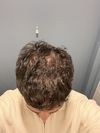
The user is concerned about hair thinning and has been using finasteride 1mg and minoxidil 5%, along with Alpecin caffeine liquid and vitamins. Others suggest continuing the treatment, as it seems to be stabilizing the hair, and advise against stopping the medication abruptly.
A physician experienced hair thickening and new growth using microneedling and minoxidil, but stopped using topical finasteride due to side effects like reduced libido and erectile dysfunction. The physician plans to continue with microneedling and minoxidil, considering finasteride nonessential for cosmetic purposes.
The conversation discusses using oral spironolactone for hair loss in males when 5ari blockers fail. Concerns are raised about spironolactone's side effects, and alternatives like pyrilutamide and breezula are suggested.
Oral minoxidil may cause temporary facial puffiness, leading to a perception of accelerated aging, but it doesn't cause actual aging. Concerns about hair loss and treatments like minoxidil and finasteride are discussed, with suggestions to use tretinoin and sunscreen to mitigate potential side effects.
A user shared their experience with a hair transplant, emphasizing the importance of avoiding caffeine 7 days before the procedure. Ignoring this advice led to reduced effectiveness of the numbing agent, causing significant discomfort during the transplant.
The conversation revolves around the psychological impact of hair loss and various treatments. Participants discuss using Minoxidil (Min) and Finasteride (Fin), hair transplants, and therapy for mental health. Some also recommend immediate action at the first signs of hair loss and joining supportive communities.
Combining minoxidil 5%, tazarotene 0.1% cream, and lumigan for hair loss treatment is discussed. The conversation focuses on the safety and effectiveness of using these treatments together.
Minoxidil caused side effects like chest pain and tinnitus for the user, leading them to stop using it and consider switching to finasteride with microneedling. Other users shared similar experiences with minoxidil, while some reported no issues, highlighting varied individual reactions.
A 57-year-old man with male pattern hair loss and insulin resistance experienced hair regrowth and weight loss after using tirzepatide, without other hair treatments. Dysregulated glucose metabolism is linked to hair loss, with tirzepatide potentially improving hair density by normalizing insulin resistance.
The user switched from oral minoxidil to topical minoxidil and added JXL-069/PP405-3HP, along with topical dutasteride, melatonin, and tretinoin. They also use low-level laser therapy (LLLT) but doubt its effectiveness.
The conversation is about using micro needling and PTD-DBM for hair loss treatment. The user applies PTD-DBM drops on weekdays and performs micro needling weekly.
The user is considering resuming finasteride after a 6-month break and is debating the necessity of extensive blood work, including hormone and health markers, to establish a baseline. They are unsure if the tests are necessary since they experienced no side effects previously.
Hair transplant recipients are concerned about whether dormant follicles are permanently damaged by incisions, but some believe undamaged follicles could still regrow if a treatment like PP405 is effective. Opinions vary on the impact of transplants on original follicles, with some suggesting treatments like finasteride can help regrow hair.
The conversation discusses hair loss treatments, specifically Regenera stem cells and exosomes from 'Cellgenic' umbilical cord donors. The user has been using topical minoxidil 5% and 0.001% estradiol for a year without seeing effects, and another user mentions the importance of microneedling.
After 8 months of using topical finasteride, hair miniaturization continues, raising concerns about its effectiveness. Microneedling is suggested as a possible complementary treatment.
The conversation discusses using 1% cetirizine, an antihistamine, as a potential treatment for androgenetic alopecia (hair loss). One user plans to try cetirizine instead of finasteride, while others are curious or skeptical about its effectiveness, discussing the role of inflammation in hair loss.
A 19-year-old male experienced significant hair loss, initially thought to be male pattern baldness (MPB), and used minoxidil and briefly finasteride. After realizing the issue was telogen effluvium (TE), he improved his diet and supplemented with vitamins, which led to substantial hair regrowth.
A 30-year-old man is considering quitting Finasteride due to sexual side effects, including reduced libido and difficulty reaching orgasm, despite its effectiveness in treating hair loss. He is exploring other factors like relationship issues and potential low testosterone, and is considering getting blood work done.
PP405 is a potential hair loss treatment that inhibits mitochondrial pyruvate carriers, increasing lactate dehydrogenase activity and stimulating hair follicle stem cells. In a phase 1 trial, 31% of participants showed over 20% hair density increase with PP405 treatment.
A 34-year-old started using a combination of topical finasteride/minoxidil and dermastamping to treat hair loss, noticing some shedding but remains optimistic about hair regrowth. They experienced minimal side effects, with only temporary watery semen.
User made progress with hair loss using Fin, Min, and microneedling. Experienced side effects like improved skin, brain fog, and memory issues, but adjusting Fin dosage helped.
Hair loss discussion includes Amplifica, a new treatment by Dr. Rassman and Dr. Plikus using molecules from hairy moles. No progress updates mentioned.
The user reports that their hair loss treatment with oral minoxidil, dutasteride, finasteride, topical minoxidil, ketoconazole shampoo, and microneedling has plateaued, with no significant additional regrowth. They have stopped using creatine to simplify their regimen and are relieved with the current state compared to before treatment.
The user is experiencing hair loss, possibly due to androgenic alopecia or telogen effluvium, and is considering treatments like Minoxidil, Finasteride, or RU58841. They also mention potential iron deficiency and sleep deprivation as contributing factors.
Finasteride, dutasteride, saw palmetto, caffeine, spironolactone, acetyltetrapeptides, tea tree oil, hydrocortisone, zinc pyrithione, latanoprost, melatonin, marine protein supplements, PRP, microneedling, and valproate are discussed as treatments for hair loss. DHT reduction and inflammation control are key strategies.
The conversation discusses the effectiveness of finasteride and microneedling for treating hair loss. The linked article is seen as an advertisement for these treatments.
The user experienced hair thinning, possibly due to long COVID and prediabetes, and saw regrowth after dietary changes and using biotin shampoo. They are taking vitamins and noticed significant hair regrowth, especially at the widow's peak.