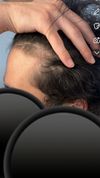
Taking creatine does not affect the effectiveness of finasteride for hair loss. Users generally agree that creatine is safe to use alongside finasteride and minoxidil.
The conversation discusses using foam minoxidil with tretinoin cream for hair loss, with users sharing experiences on tretinoin strengths of 0.025% and 0.05%. Some users report irritation with higher tretinoin concentrations and note that foam minoxidil may be less effective than liquid.
Hair regrowth was achieved using minoxidil, nizoral, alfatrodial, and pyrilutamide after finasteride caused side effects. The user recommends this combination for those who can't tolerate 5AR inhibitors, stressing consistent use.
The user has not seen results from various hair loss treatments including finasteride, dutasteride, minoxidil, and others over several years and is considering adding RU58841 and starting hormone replacement therapy. They are also experiencing anxiety and contemplating moving to a more accepting environment for their nonbinary identity.
The user is using dutasteride and minoxidil foam for hair regrowth, applying minoxidil once daily due to side effects from the liquid form. They plan to increase dutasteride dosage and possibly apply minoxidil twice daily, while also using ciclopirox olamine shampoo and sulfur soap.
Delayed release oral minoxidil is seen as a promising advancement for hair loss treatment, offering safer, higher doses and more consistent hair follicle stimulation compared to current options. However, it is not expected to replace finasteride or dutasteride, as it does not prevent androgenetic alopecia.
The conversation is about using pyrilutamide and RU58841 as topical solutions to prevent hair loss. Pyrilutamide is considered safer but less potent than RU58841, which some users find effective despite potential side effects like heart palpitations.
The user has been using 1mg finasteride and 2.5mg oral minoxidil daily for 18 months without success in treating hair loss. They are frustrated with their diffuse androgenetic alopecia and unsure of what to do next.
Rejuv-3X, a topical blend with GHK-Cu, AHK-Cu, and JXL-089, is used for hair loss, offering a targeted option without finasteride's side effects. The user plans to combine it with microneedling for enhanced results.
The conversation discusses using 1 mg finasteride daily and adding 0.5 mg dutasteride once a week to improve hair loss results. The user is curious if this combination is more effective than finasteride alone.
Exploring the potential of using Verteporfin to grow follicles in combination with microneedling, as well as the cost of administering a single injection and the possibility of combining it with minoxidil.
The user is considering whether to add RU58841 or Nizoral shampoo to their current hair loss treatment of finasteride and minoxidil, noting budget constraints and concerns about hair dryness. They are unsure if RU58841 is worth adding or if they should use both treatments to see the effects.
User Solid_Repeat5382 shared their experience with Pyrilutamide for hair loss, which initially reduced shedding but later lost effectiveness. They plan to switch back to RU58841 and finasteride, while continuing minoxidil and dermapen treatments.
Finasteride is preferred for its shorter half-life and FDA approval, while dutasteride is seen as more effective but not FDA-approved for hair loss. Many combine these with minoxidil for improved results, though side effects and effectiveness vary.
The user experienced gynecomastia from finasteride, used raloxifene to treat it, and is now taking both without new gyno symptoms but also without hair regrowth. They are seeking others' experiences with this combination and its effects on hair.
Actifolic's RU58841 and Pyri products are perceived as ineffective, with users reporting no side effects or improvements, suggesting possible quality issues. Users recommend alternative sources and emphasize the importance of timing when using RU58841 with Minoxidil.
Betacarotene's effect on hair loss is discussed, with concerns about excessive vitamin A. The user also questions if 15mg melatonin impacts vitamin A levels.
A user reports significant hair shedding and regrowth after increasing their dutasteride dosage to 5mg, alongside using RU58841, minoxidil, and topical finasteride, with no side effects. They recommend high doses of dutasteride, sourced from China, despite concerns about its safety.
The conversation is about someone inquiring if anyone has tried Olumiant or its active ingredient, Baricitinib, for hair loss, mentioning the cost and that they have ordered Baricitinib.
The user is considering switching their hair loss routine from taking finasteride daily to a combination of finasteride six times a week and dutasteride once a week. They are seeking advice on this potential change.
The conversation discusses verteporfin as a potential hair loss treatment and questions why more precise methods aren't used to test its effectiveness in regrowing hair. Some users believe verteporfin is promising and should receive more attention, while others are skeptical about the testing methods.
A new topical treatment, PP405, shows promising results for hair regrowth, potentially outperforming existing treatments like finasteride and minoxidil. However, it may still need to be combined with DHT blockers for optimal results, and its long-term effectiveness remains uncertain.
RU58841 was the only treatment that slowed hair loss and reduced irritation for a DUPA sufferer after trying finasteride, minoxidil, and dutasteride with no success. The user continues using 6mg oral minoxidil, 0.5mg dutasteride, and an 8% RU58841 solution.
The conversation is about considering switching from Fluridil to Pyrilutamide for hair loss treatment. Pyrilutamide is suggested to be more effective, with a recommendation to use the 1% variant twice daily.
Pyrilutamide is being discussed as a potential hair loss treatment, but opinions are mixed, with some users skeptical about its effectiveness and the company's credibility. Some users report combining pyrilutamide with other treatments like dutasteride and microneedling, noting improvements, while others remain doubtful.
GT20029 shows promising results for hair loss treatment, with potential approval in China by 2026 or 2027, but U.S. approval may take longer. It could serve as an alternative to finasteride, with a potentially better side effect profile.
The conversation discusses hair loss treatments, with the original poster considering joining a clinical trial for setipiprant after experiencing side effects from finasteride and disinterest in minoxidil. Some users express skepticism about setipiprant's effectiveness, while others encourage participation in the trial for potential benefits.
The user started finasteride and experienced increased shedding for five months. They are concerned about how low vitamin levels might affect the shedding and effectiveness of finasteride.
A user from China is participating in a clinical trial for Pyrilutamid, a potential hair loss treatment originally developed for prostate cancer. They've experienced no side effects except initial scalp itchiness, and will share results after the year-long trial.
JW0061 shows superior hair growth results compared to existing treatments, with significant increases in hair follicles. The Wnt/β-catenin pathway is crucial for hair growth, and JW0061 activates this pathway effectively.