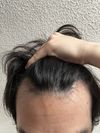
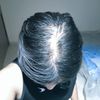
The user is struggling with seborrheic dermatitis and plans to try ciclopirox olamine after finding ketoconazole too drying. They are also using finasteride daily.
The conversation discusses the use of 1% ketoconazole shampoo, like Nizoral, for hair loss and scalp issues. Users suggest it may help with early hair loss and scalp conditions but is not as effective as other treatments like minoxidil and finasteride.
The conversation discusses whether a 2 in 1 shampoo and conditioner with ketoconazole 1% is less effective than using the shampoo alone for someone with a dry scalp and seborrheic dermatitis. The focus is on choosing the right product for hair and scalp health.
The conversation discusses the effectiveness of KX-826 for hair loss and questions how long it should remain on the scalp before washing or sweating. It also mentions treatments like Minoxidil, finasteride, and RU58841.
A user is exploring Kadeso, a product with Capilia Longa™ for hair regrowth, and seeks real-world experiences, comparing it to Minoxidil and Finasteride. They are interested in results, timeframe, side effects, and the credibility of the product's founder.
A user shared a 7-month hair loss treatment progress using finasteride 1.25 mg, oral minoxidil 2.5 mg, ketoconazole shampoo, and monthly micro-needling, noting denser hair and improved quality but no significant regrowth. They experienced mild testicular discomfort and heart palpitations, considering switching to topical minoxidil to avoid side effects.
The conversation discusses the potential risks and considerations of purchasing raw Clascoterone powder from Made-In-China to create a DIY topical solution for hair loss. Concerns include fake products, low purity, and contamination, with a request for experiences and advice on reliable suppliers.
SCUBE3 and GT20029 are potential treatments for hair loss, with SCUBE3 stimulating hair growth and GT20029 protecting against DHT. A combined approach using SCUBE3, finasteride or dutasteride, and later GT20029 could provide a comprehensive treatment for androgenetic alopecia.
The user is considering whether to add RU58841 or Nizoral shampoo to their current hair loss treatment of finasteride and minoxidil, noting budget constraints and concerns about hair dryness. They are unsure if RU58841 is worth adding or if they should use both treatments to see the effects.
People are discussing ordering pyrilutamide for hair loss treatment in the US. The treatment is from Kintor's subsidiary company and is available on Amazon.
The conversation is about a user assessing their hair loss as Norwood 1.5 and discussing their use of oral minoxidil and finasteride for 2.5 years, which improved their hair density. They are content with their current progress but hope to reach Norwood 1.
The conversation is about a 25-year-old male's one-year hair loss treatment progress using 0.25mg finasteride daily and 2% ketoconazole shampoo. The user shared progress pictures trying to maintain consistent lighting for comparison.
Hmi115, a prolactin receptor blocker, showed promise for hair growth, but results from Phase 2 trials have not been published. ABS-201, an AI-based analog, is expected to begin trials in December 2025, while commercialization of treatments like PP-405 is anticipated around 2027.
A 22-year-old male shared his one-year progress using dutasteride, minoxidil, and ketoconazole shampoo for hair regrowth, showing significant improvement. Users discussed the effectiveness of these treatments, with some confusion about ketamine, and shared their own experiences and questions about dosages and side effects.
The user is experiencing hair shedding of different thicknesses/lengths and is using Nizoral, ciclopirox, and pyrithione zinc conditioner. They are concerned whether the shedding is due to these treatments, miniaturization, or their low-calorie diet.
Nizoral shampoo significantly reduced hair fall and improved hair thickness for a user, but initially caused dryness which was remedied by using conditioner. The user is satisfied with the results from Nizoral.
The conversation discusses the potential market release of a hair loss treatment called GT20029 by Anageninc, with users expressing interest and discussing the importance of safety and effectiveness. Some users plan to contact Anageninc to show demand for the product.
A user was prescribed ketoconazole shampoo by their dermatologist for early-stage hair loss, but is unsure if this is the right treatment. Most commenters suggest seeking a second opinion or starting finasteride treatment immediately, while a few caution about potential side effects.
A female user's six-month progress with only minoxidil and ketoconazole, including their experiences before and after using the treatments. They also discussed the differences between male and female hair loss and suggested that meds may offer more progress, though some results can be had without them.
NAD⁺ precursors and EGCG may increase hair density, but users report mixed results with no significant hair gains. Some users suggest combining these with finasteride or dutasteride for better results.
The user is using 5% topical minoxidil, a 0.5mm dermaroller, and keto shampoo for hair loss treatment, showing positive progress after two months. They plan to continue the regimen for maintenance.
Comparing the effectiveness of RU58841, Pyrilutamide and CB-03-01 as treatments for hair loss, with people discussing different aspects such as binding affinity, time of inhibition, safety data and cost.
N-Acetyl-Cysteine (NAC) was found to improve hair parameters in men with early-onset androgenetic alopecia, showing increased terminal hair count and decreased vellus hair count, with good tolerability. NAC, used alone or with minoxidil, may help due to its antioxidant properties, though its effectiveness can vary among individuals.
The conversation is about the difficulty in obtaining GT20029, a hair loss treatment, due to patent issues and the need to resort to group buys or Chinese labs for acquisition. Specific treatments mentioned include Minoxidil, finasteride, and RU58841.
The user is experiencing an allergic reaction to propylene glycol in Kirkland minoxidil and is considering switching to a foam version or a low-PG minoxidil solution. They are also contemplating oral minoxidil but are concerned about its long-term safety.