Topical minoxidil with tretinoin is causing redness, stinging, and flaking on the scalp. Reducing application frequency and using anti-dandruff shampoo may help alleviate symptoms over time.
The conversation discusses managing seborrheic dermatitis (sebderm) and male pattern baldness (MPB) with treatments like finasteride, coal tar shampoo, Nizoral, and oral minoxidil. Users suggest dietary changes, regular shampooing, and using antifungal products to control sebderm before considering minoxidil.
A user applied the 8T3 product for hair loss, targeting LPP and AGA, and plans to update on its effectiveness. The product uses a saline buffered phosphate vehicle, suitable for those intolerant to ethanolic vehicles.
The conversation discusses interest in peptides for hair loss, specifically mentioning ahkCU and ghkCU. A user is considering adding ghkCU to their treatment regimen.
People discussed solutions for scalp itching related to hair loss, with treatments including finasteride, dutasteride, ketoconazole shampoo, and Alpecin Hybrid shampoo. Some users found relief by adjusting dosages of finasteride or switching to dutasteride, while others recommended specific shampoos or prescription options like olux foam.
PP405 is moving to late-stage trials, showing potential for hair regrowth, with 31% of male patients experiencing a 20% increase in hair density. Veradermics is developing an oral minoxidil version, and there is interest in combining treatments for better results.
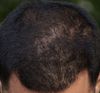
A user is seeking recommendations for a dermatologist in Houston specializing in alopecia areata for her daughter. A doctor actively researching alopecia areata in young people was suggested.
A young man with hypertrichosis has over 95% of his face covered in hair, sparking humorous comments about hair loss treatments like minoxidil and dutasteride. Users joke about transplanting his facial hair and discuss the challenges of his condition compared to typical balding.
The conversation is about seeking information on GT20029 from Kintor Pharmaceutical as a potential hair loss cure and inquiring about experiences with CosmeaRNA.
The user is experiencing an itchy scalp after six months of using dutasteride and minoxidil, suspecting dutasteride as the cause. They are seeking advice on how to alleviate the itch without stopping the treatment.
A user has been experiencing hair loss for 4 years, with treatments like minoxidil, finasteride, and various supplements proving ineffective. They were diagnosed with fibrosing alopecia in a pattern distribution, a condition that may require a combination of anti-inflammatory and hair growth treatments.
A 33-year-old male experienced sudden, rapid hair loss, possibly due to a reaction to mentholated shampoo and undiluted tea tree oil, with a history of seborrheic dermatitis. He is currently taking finasteride, vitamin D3, a multivitamin, and biotin, and is seeking further medical evaluation.
Switching from 2% liquid minoxidil to 5% foam minoxidil reduced scalp irritation but increased eyebrow flakiness and thinning. The user speculates that propylene glycol in the liquid formulation might have been protecting against seborrheic dermatitis while causing contact dermatitis.
Hard water may contribute to an itchy, dry scalp and hair issues, but it doesn't affect genetic hair loss. Some users suggest using distilled water or a water softener to alleviate symptoms.
The user experienced severe scalp itching and hair loss while on dutasteride, which they linked to caffeine and masturbation. They plan to cut out both to see if their hair density improves.
The user has been treating hair loss for 7 months using a combination of pyrilutamide, a topical mix of finasteride and minoxidil, microneedling, a topical mix of GHK-Cu and minoxidil, ketoconazole shampoo, fish collagen peptides, zinc, and vitamin D3. Another user suggests that continuous small improvements could lead to significant hair regrowth over time.
The conversation discusses diffuse unpatterned alopecia (DUPA) and its possible causes, including sensitivity to DHT, not being androgenic alopecia, being diffuse alopecia areata, or hormonal issues. Treatments mentioned include topical melatonin, Clobetasol Propionate for alopecia areata, and the lack of results from using finasteride, dutasteride, and minoxidil.
The user diagnosed with DUPA tried treatments like dutasteride, finasteride, RU58841, and minoxidil without success and is considering a hair system. They hope for a future cure, possibly with PP405, and others suggest options like scalp biopsy and SMP.
A user experienced excessive hair shedding after taking 17 mg of Zinc gluconate daily for acne. They are seeking advice on similar experiences and solutions.
A 25-year-old woman with androgenic alopecia is experiencing hair dryness and damage after using topical minoxidil and Nizoral. She is advised to reduce washing frequency, use a bond builder like K18, apply a silicone-based serum, and consider using a shower filter and different oils like argan oil for better hair health.
The user is experiencing increased hair shedding, scalp sensitivity, and itching despite using finasteride for four months, and has tried various shampoos without relief. They are advised to consult a dermatologist for potential scarring alopecia and consider other treatments like adding Dutasteride.
A 20-year-old female with PCOS is experiencing hair loss and excessive facial hair. She is using ketoconazole and caffeine shampoos, microneedling, and considering anti-androgens like finasteride, but is cautious about minoxidil due to facial hair concerns.
KPV, a peptide patented by L'Oreal, may promote hair growth and reduce hair loss by extending the anagen phase and has anti-inflammatory properties. It could be combined with treatments like minoxidil for enhanced effects.
User discusses tight scalp causing hair loss and suggests treatments like scalp massages, PRP, saw palmetto, and eucapil. They share their experience with saw palmetto and eucapil and consider adding PRP and scalp massages for better results.
Minoxidil can cause scalp flaking and dryness, often due to its alcohol content. Switching to foam minoxidil or using antifungal shampoos like Ketoconazole may help reduce these side effects.
Minoxidil with alcohol and propylene glycol was more effective than non-alcohol versions, and RU58841 worked best in a non-water-based solution. Oral finasteride showed better results than topical, despite side effects; microneedling and tretinoin worsened hair loss, and PRP was only helpful when younger.
PP405 is ineffective for miniaturized, fibrosed hair follicles in androgenetic alopecia. AMP303 may activate hair follicle stem cells, but minoxidil and finasteride are still the main treatments.
Carpronium chloride 5% is a hair growth treatment in Japan, considered less effective than minoxidil or finasteride. Some users report moderate success with it, but its efficacy is not well-verified.
Pelage is recruiting for phase 2 trials, showing promise for treating bald regions. The discussion highlights its potential effectiveness based on its mechanism of action.
A 16-year-old diagnosed with male pattern baldness (MPB) was prescribed hair vitamins, vitamin D, a non-ketoconazole shampoo, and redenysl + serum, with a suggestion for GFC or IHRF treatments. Some users recommended minoxidil, ketoconazole, and derma stamping, while others advised against certain treatments until the age of 18.