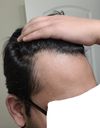
User hides baldness with side hair growth, others suggest it looks good but may not work in all conditions. Some recommend starting treatment or considering a hair transplant.
A 20-year-old user shared progress on hair regrowth after using Minoxidil 5% and 1mg Finasteride for four months, noting improvements in hairline thickness, especially at the temples, with no side effects. The user also started using a derma roller recently and plans to update progress every few months.
Rosemary oil is claimed to slow hair loss and improve hair thickness, but its effectiveness is debated, with some users preferring proven treatments like minoxidil and finasteride. Lifestyle factors and consistent use are suggested to enhance results, though skepticism about natural remedies remains.
Apply tretinoin cream first, then minoxidil, as tretinoin can enhance minoxidil absorption. Allow some time between applications to avoid skin irritation.
The Derma Harmony Sulfur/Salicylic acid soap bar shampoo caused significant hair shedding, oily scalp, and cystic acne. The user experienced better results with rosemary shampoo.
Minoxidil and LLLT are compared for treating hair loss, with LLLT showing higher regrowth rates and fewer side effects. LLLT is less time-consuming and more suitable for those with health issues, while Minoxidil requires daily application.
OP experienced significant hair growth after switching from topical treatments to oral Dutasteride, alongside using CJC/Ipamorelin and Cialis. They stopped using topical Minoxidil and Finasteride, attributing the hair growth to the new regimen.
A user on dutasteride and oral minoxidil for two years has experienced worsening hair loss and an itchy scalp. Suggestions include increasing medication doses, trying other treatments like RU58841, getting a scalp biopsy, and addressing potential inflammation through diet and topical treatments.
User reports almost 2 months on DUT and MIN for hair loss with positive results. Treatment includes 0.5mg dut (morning), 5mg oral min (night), and vitamin D and B12 supplements.
An 18-year-old is using a high-dose treatment for hair loss, including 2.5 mg dutasteride, topical minoxidil, and injectable GHK-Cu, despite minimal hair loss. Many users suggest reducing the dutasteride dose due to potential side effects and recommend starting with finasteride instead.
A 20-year-old female is using finasteride 5mg and spironolactone 100mg for severe hirsutism and is experiencing minor side effects like water weight loss and irregular periods. She is concerned about potential future side effects and hair regrowth on her scalp.
A 47-year-old user shared their 6-month hair loss treatment results using a Fin/Min spray and weekly dermarolling. They experienced scalp irritation with other products but found success with the Hims Fin/Min spray, noting improvements around the 5th month.
The conversation humorously suggests that the hair loss industry, referred to as "Big Bald," deliberately delays a cure to profit from ongoing treatments like minoxidil, finasteride, and dutasteride. Participants debate whether a cure would be more profitable than current treatments, with some suggesting that the industry prefers continuous treatments for sustained profit.
RU58841 was the only treatment that slowed hair loss and reduced irritation for a DUPA sufferer after trying finasteride, minoxidil, and dutasteride with no success. The user continues using 6mg oral minoxidil, 0.5mg dutasteride, and an 8% RU58841 solution.
Microneedling with minoxidil and finasteride greatly improves hair regrowth. Using 0.5mm depth every other day boosts minoxidil absorption without side effects.
The post discusses using RU58841 and 5% minoxidil for hair loss treatment, with RU applied to the temples and crown, and minoxidil used twice daily. Users debate the effectiveness of RU58841 compared to minoxidil alone.
The conversation is about recommendations for Copper Tripeptide-1 solutions to enhance hair loss treatment, with a focus on using Reviv Hair Serum alongside LLLT therapy. The user also discusses using Minoxidil, RU58841, and other compounds to manage hair shedding and improve hair thickness.
A user shared their 3-month hair loss progress using finasteride, minoxidil, low-level light therapy, pumpkin seed oil, and rosemary oil. The user saw a reduction in balding crown size but couldn't determine which treatment was most effective.
A user has been treating hair loss with finasteride for two years without success and is experiencing an itchy scalp with seborrhea. Despite low DHT levels, they are still losing hair, suggesting that DHT might not be the main cause of their hair loss, and they are considering other treatments or causes.
Red light therapy with dual wavelengths (650nm and 850nm) can stimulate hair regrowth without DHT blockers. Consistent use of a panel with these wavelengths has shown positive results in hair regrowth.
A 25-year-old male shared his 2.5-year hair restoration journey using 1 mg finasteride and oral minoxidil, starting with 2.5 mg and increasing to 5 mg, resulting in significant hair improvement and no major side effects. He experienced minor shedding and noted better results with the higher minoxidil dosage.
A 27-year-old male experiencing hair loss post-Covid is considering PRP (platelet-rich plasma) therapy. He's seeking personal experiences about the process, particularly regarding pain levels, despite his dermatologist's assurance of using local anesthesia.
User experienced hair loss due to anorexia and stress, leading to a difficult journey with wigs and self-esteem. Hair regrowth occurred with spironolactone, but recent hair loss returned, causing uncertainty and emotional struggles.
Hair loss treatments discussed include dermarolling, minoxidil, finasteride, and RU58841. Some users find dermarolling sad, while others mention the complexity of biological systems and limited research funding for hair loss.
The user is struggling with hair loss and has tried treatments like finasteride, minoxidil, and dutasteride without success, considering a hair transplant as a future option. Others suggest focusing on mental health and self-worth beyond physical appearance, while some share their own experiences with similar treatments and outcomes.
The user is frustrated with minimal hair regrowth after using dutasteride, oral minoxidil, and previously finasteride and topical minoxidil. Despite feeling discouraged, others suggest continuing treatment as progress can be slow and subtle, with some users noting visible improvement.
The user is considering starting topical minoxidil to address a receding hairline and mild dandruff. They are seeking advice on potential effects and side effects of the treatment.
A 23-year-old male shares his 4-month hair regrowth progress using oral minoxidil, oral finasteride, collagen, biotin, keto shampoo, and dermarolling. He notices fuller hair but minimal visible change, and considers adding topical minoxidil despite concerns about consistency.