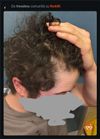
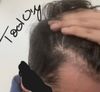
Microneedling combined with tretinoin is discussed for its effectiveness in treating hair loss. Minoxidil, finasteride, and RU58841 are also mentioned as potential treatments.
An 18-year-old male is experiencing significant hair shedding, particularly from the back of his head, despite normal blood test results except for slightly low vitamin D. A dermatologist prescribed minoxidil for receding temples, but the cause of the shedding remains unclear.
Mixing topical solutions like Morr F 10% (Minoxidil) and L'Oreal Seryoxyl (Stemoxydine) before application may not reduce their effectiveness. The goal is to apply treatments all at once instead of multiple times a day.
The user started using pyrilutamide for hair loss and experienced a significant reduction in hair shedding and an improvement in hair quality with only mild side effects. They previously used minoxidil and finasteride, which caused side effects, and are now combining pyrilutamide with minoxidil and tretinoin.
A user reported a significant reduction in DHT levels after 3 months of taking 1mg/day oral finasteride, along with using minoxidil foam, microneedling, and Nutrafol vitamins. They hope this will lead to hair growth and less shedding.
Delayed release oral minoxidil is seen as a promising advancement for hair loss treatment, offering safer, higher doses and more consistent hair follicle stimulation compared to current options. However, it is not expected to replace finasteride or dutasteride, as it does not prevent androgenetic alopecia.
The user is using 0.1% dutasteride, 1% minoxidil with 2% procapil and 0.005% caffeine in the morning, and 1% minoxidil with 2% procapil and 0.01% tretinoin at night. They are concerned about the solution vehicle's effectiveness in preventing systemic absorption and ensuring the products stay around the hair follicles.
A user reported less hair shedding using melatonin spray and is considering trying topical oxytocin or estrogel for hair growth, but is concerned about potential side effects like breast development. Topical oxytocin has been found to promote hair growth by increasing growth factors.
User shared 1-year progress on Fin 1 mg, switching to 0.4 mg Dut and oral 1.25 mg Min. Good results with Fin, biotin supplement, and biotin shampoo; trying Dut and oral Min for potential better results.
A user shared their experience with Spironolactone for hair loss, noting it stopped hair loss and cleared acne but had side effects like frequent urination and potential kidney damage. They also mentioned Bicalutamide as a potentially more potent DHT blocker with fewer side effects and asked for others' experiences with DHT blockers for women.
User started using stemoxydine with minoxidil for mild hair recession and maintenance. Stemoxydine improves hair appearance and behavior, making it fuller and shinier.
User shares 3-month hair loss treatment progress using 1mg oral Fin, 2.5mg oral Min, Nizoral 3x week, and 1.5mm derma 1x week. Others comment on improvements and ask about oral Min source.
The conversation is about hair loss treatments, specifically the use of 1 mg finasteride and 1.5 mg oral minoxidil over two years, with consideration of a future hair transplant and possibly switching to dutasteride. Users discuss their own experiences and suggest trying different treatments like minoxidil 5%.
A user shared their 2-month progress using 1mg finasteride daily, 5% minoxidil with 0.1% finasteride topically twice a day, and Vitamin D3 weekly. They experienced initial side effects like weaker erections and mood swings, which resolved after one month.
The conversation discusses the effectiveness of different doses of finasteride for hair loss, questioning the need for 1mg daily when 0.5mg every other day has a similar impact on scalp DHT. A humorous reply suggests exaggerated side effects.
PP405 is a new hair growth stimulant different from Minoxidil, currently in phase 2 trials. Users discuss its potential, safety concerns, and the long wait before it might be available.
The conversation discusses various hair loss treatments, with a focus on pyrilutamide, minoxidil, and alternatives to finasteride due to intolerance. Users suggest adding a DHT blocker like finasteride or dutasteride, and some recommend trying topical versions to reduce side effects.
A 24-year-old male is experiencing hair loss due to low ferritin and vitamin D deficiency, and is using iron supplements, vitamin D3, finasteride, and ketoconazole shampoo for treatment. Users suggest increasing vitamin D and iron intake for better results and recommend consulting a professional for proper dosage.
A 23-year-old male is considering starting Finasteride for hair loss after experiencing persistent shedding and hairline recession, with bloodwork showing normal testosterone levels but low DHEA-S and Vitamin D. He plans to discuss DHEA supplementation with his doctor and has already started Vitamin D supplementation.
The user is experiencing breast tenderness and lumps after three weeks on 0.5 mg oral finasteride, a common side effect. They also report mild brain fog and fatigue but are less concerned about these symptoms.
Kintor plans to release pyrilutamide foam and a plant-based Koshine by year-end, with GT20029 progressing in their pipeline. Users are pleased about the absence of propylene glycol (PG) in the new products.
The user experienced hair regrowth and improved hair quality using topical minoxidil on temples and oral finasteride daily. They also noted thicker eyebrows and some side effects like minor erectile dysfunction.
A 30-year-old woman with controlled hair thinning stopped taking Spironolactone due to side effects and is considering Dutasteride. She seeks feedback from other women who have used Dutasteride for hair loss.
High prolactin levels may contribute to hair loss, and some users suggest supplements like mucuna pruriens, vitamin B6, vitamin E, L-Tyrosine, L-Theanine, DIM, and Zinc to lower prolactin. Lifestyle changes to increase dopamine, such as reducing screen time and stress, are also recommended.
The user applied 0.005% topical finasteride, minoxidil, tretinoin, caffeine, and ketoconazole shampoo for four months but saw no hair regrowth. Some users suggested increasing the finasteride dose or trying alternative treatments like clascoterone, pyrilutamide, or RU58841.
A 25-year-old noticed thinning hair at the temples and started using finasteride (1mg/day) for two months, along with keto shampoo twice a week and vitamins like vitamin D, biotin, and zinc. They are seeing some results and are hopeful about regaining lost hair.
An 18-year-old male is experiencing hair loss and is using topical minoxidil and oral finasteride. He is concerned about continued shedding, mild sexual side effects, and whether to adjust his finasteride dosage.
Oral minoxidil combined with isotretinoin may improve hair loss treatment effectiveness. Tretinoin is known to increase the absorption of topical minoxidil.
Kintor Pharma finished enrolling and dosing participants in a Phase I trial for a hair loss treatment called AR-PROTAC (GT20029). The effectiveness of another drug, pyrilutamide (KX-826), for hair loss will be clearer after a Phase 2 trial expected to complete in January 2023.