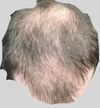
PP405, a topical LDH inhibitor, has shown to stimulate hair follicle stem cell proliferation in humans with moderate hair loss. They are advancing to more detailed trials this year.
The user has been experiencing diffuse hair thinning despite using finasteride, minoxidil, dermarolling, clobetasol cream, and PRP sessions. They seek advice on additional treatments and are advised to check vitamin D, iron, and thyroid levels.
The user switched from oral minoxidil to topical minoxidil and added JXL-069/PP405-3HP, along with topical dutasteride, melatonin, and tretinoin. They also use low-level laser therapy (LLLT) but doubt its effectiveness.
Kintor Pyrilutamide treatment, a potential hair loss treatment that may become available to the public soon. People have been experimenting with using it in topical form, with mixed results and no reported side effects.
User discusses Latanoprost as potential hair loss treatment and considers combining it with oral minoxidil for better results. Seeking opinions on effectiveness and expense.
The user has been using 5% minoxidil once daily and microneedling with a 1.5 mm dermaroller weekly for three months, considering increasing minoxidil usage but avoiding finasteride due to libido concerns. Another person suggests considering other treatments like RU58841, alfatradiol, topical finasteride, clascoterone, or saw palmetto since not using a DHT blocker could be less effective.
A female with PCOS and androgenetic alopecia is starting treatment with oral Minoxidil, topical Minoxidil 5% with finasteride, and plans to add mesotherapy. She previously tried anti-androgenic contraceptive pills but couldn't tolerate them and is using Myo Inositol for weight management.
The conversation is about using alfatradiol (17α-estradiol) as a hair loss treatment. The user is considering adding it to their regimen due to its safety and availability.
The conversation is about a person starting treatment with RU58841 for hair loss. They are asked to share progress pictures to show if the treatment is effective.
Low-Level Laser Therapy (LLLT) is considered expensive and may not provide significant benefits, with some users suggesting alternatives like finasteride, minoxidil, and microneedling. Many users report limited success with LLLT and similar treatments, recommending more proven options instead.
The conversation is about the effectiveness and safety of a hair loss treatment called Pyri, with users discussing its availability and comparing it to other treatments like RU58841, fluridil, and alfatradiol. Some users are waiting for FDA approval before using Pyri, while others share their positive experiences with RU58841 and suggest additional treatments with minimal side effects.
The conversation discusses hair loss treatments, specifically Minoxidil, finasteride, and RU58841. Concerns are raised about the lack of studies on RU58841 and its potential effects.
The conversation discusses using Minoxidil, finasteride, RU58841, and pyrilutamide for hair loss treatment. The user is considering adding a topical treatment and has not experienced side effects from current treatments.
The conversation discusses a hair loss treatment involving oral minoxidil, topical finasteride, and a custom topical formulation with minoxidil, cetirizine, finasteride, progesterone, and hydrocortisone. The user seeks advice on the effectiveness of these ingredients for diffuse thinning.
The user shared their experience with liquid Minoxidil, which initially worked well but caused severe skin irritation, leading them to stop. They are now trying oral Minoxidil and plan to document their progress weekly.
The conversation discusses using shou wu chih or fo-ti/he shou wu for hair loss, with OP noticing stiffer beard and body hair. A user warns about potential liver damage from fo-ti and questions the effectiveness of alternative medicine.
The user is using finasteride 1mg every other day and seeks a topical solution excluding minoxidil. They are considering various combinations of ingredients like finasteride, dutasteride, and tofacitinib, with options for nourishing oils and other additives.
Microneedling for hair loss should avoid anti-inflammatory supplements like garlic, Vitamin E, fish oil, turmeric, and NSAIDs for 3 days before and 5 days after the procedure to enhance collagen production. Completely abstaining from these supplements may be unnecessary, but caution is advised around the procedure time.
The user experienced severe hair loss, itchy scalp, and skin issues after trying no-shampoo, and wonders if it's male pattern baldness or an immune issue. They have a history of eczema, dermatitis, and jock itch, and have tried various treatments like coconut oil, peppermint, pumpkin seed, and onion.
The user has been using Minoxidil and finasteride with success and is now trying Dualgen-5R with retinoic acid but without finasteride, along with microneedling. They plan to share results in 5-6 months.
The user is concerned about safely using RU58841 around cats and wonders if applying it 2 hours before a shower is as effective as leaving it overnight. The discussion focuses on the absorption time and effectiveness of RU58841.
The conversation discusses the effectiveness of RU58841 for hair loss compared to pyrilutamide, which failed to show significant hair regrowth in trials. Some users report personal side effects with RU58841 and question the criteria for success in hair loss treatments.
The conversation discusses the use of pyrrolidinyl diaminopyrmidine oxide (triaminodil) compared to minoxidil for hair loss treatment. The user is considering switching from 5% minoxidil to a product containing 5% triaminodil.
RU58841 showed promise for treating androgenic alopecia but research was halted due to financial and organizational changes. There were no significant safety concerns reported in human trials.
The conversation discusses alternatives to 5AR inhibitors for hair loss treatment, suggesting options like minoxidil, KX-826, pyrilutimide, microneedling, and topical bicalutamide. Concerns about side effects and the effectiveness of these treatments are also highlighted.
Scalp irritation from homemade topical finasteride may be caused by isopropyl alcohol. Alternatives suggested include using ethanol or everclear with distilled water.
A female user's experience using Spironolactone to treat Female Pattern Hair Loss (FPHL) and Androgenic Alopecia, as well as discussing the effectiveness of the drug at different dosages.
A user reported significant hair improvement using oral minoxidil, Rogaine 5%, and spironolactone but experienced worsening PMS. They seek advice on managing the PMS symptoms.
The conversation is about someone's three-year experience with irregular derma rolling, Minoxidil, and Redensyl for hair loss, hoping to thicken areas with fine hair.
Treating androgenic alopecia with minoxidil, finasteride, and antiandrogens, alongside exercise, cryotherapy, and natural substances to stimulate cold receptors for better hair growth. The method focuses on enhancing treatment effectiveness by considering environmental and behavioral factors and the role of cold receptors and muscle stress.