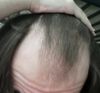
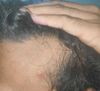
A user reported hair thinning, started using finasteride, and experienced a significant initial hair shed followed by noticeable hair regrowth after 2 months. Some responders questioned the rapid progress, while another noted that finasteride typically increases hair density by 16% after 2 years.
The user has been treating hair loss for 15 months using a regimen that includes 5% minoxidil, dermarolling, a dermpen, a topical mix of 3% minoxidil with 0.1% finasteride, Wild-Growth hair oil, pumpkin seed and peppermint oil, Nizoral or Nioxin shampoo, multivitamins, and cod liver oil. They have not seen noticeable changes recently and are seeking motivation to start working out again.
The conversation discusses hair loss treatments, specifically Minoxidil, finasteride, and RU58841. It also inquires about the timeline for the GT20029 phase 3 trial by Kintor.
Silicone and dimethicone in shampoos may hinder Minoxidil absorption, while Tretinoin and microneedling can enhance its efficacy. Users discuss applying Tretinoin before Minoxidil, waiting for it to dry first.
A user has been using minoxidil without noticing improvements and is considering adding tretinoin gel to their regimen before trying RU58841. They seek advice on how to mix and apply tretinoin with minoxidil, including concentration and application frequency.
User experienced hair growth after 11 months using 15% Minoxidil, topical and oral Finasteride, and Ketoconazole Shampoo. Hair remained full even while using steroids and SARMs.
The conversation is about the frequency of applying peppermint oil and rosemary for hair loss and what carrier oil is best to use. People are sharing their results from using these treatments.
The user is experiencing promising hair regrowth after 10 weeks of using oral minoxidil and finasteride, with noticeable new hair growth. They report no significant side effects, except for some unexpected hair growth in new areas.
The user is experiencing hair thinning and loss at the temples, likely due to androgenetic alopecia. Suggested treatments include finasteride and minoxidil to slow hair loss and promote regrowth, with buzzing hair short as a styling option.
A user shared their 6-month hair loss progress using minoxidil 5% twice daily and finasteride, noting significant improvement. They experienced an itchy scalp initially but resolved it by washing their hair daily and using oils and conditioner as needed.
The user has been using Minoxidil for 3.5 months, Finasteride for 3 months, derma rolling twice a week, taking Saw Palmetto daily, and using Rosemary Shampoo to treat hair loss, and is happy with the progress despite some remaining hair loss at one temple. They encourage others to start treatment early if hair loss affects their confidence, and they use a 5% Minoxidil solution and take 2.5mg of Finasteride three times a week.
The user shared progress pictures of hair growth after switching to oral minoxidil and finasteride, noting improved lighting in the photos. They experienced a faster heart rate for a few weeks and a slight decrease in libido as side effects.
The user shared a 2-month progress update using topical finasteride and minoxidil for hair loss. The conversation included comments on the user's appearance and potential side effects.
PP405 may promote short-term hair growth by pushing follicles into the growth phase, but concerns exist about long-term effects due to lack of rest phases. Users discuss various treatments like finasteride, minoxidil, spironolactone, alfatradiol, and investigational drugs like KX-826 and GT20029 for hair maintenance and regrowth.
A 24-year-old male has been using finasteride for 7 months and noticed thinning hair, especially when wet, and is concerned about the effectiveness of the treatment. Suggestions include continuing finasteride, considering minoxidil, and possibly trying micro-needling.
Hair loss treatments like minoxidil, finasteride, and dutasteride can stabilize hair loss and sometimes regrow hair, but many people still opt for hair transplants, often in Turkey, due to cost and convenience. However, transplants require ongoing medication to maintain results, and not all clinics offer high-quality outcomes.
The user shared their progress using finasteride and minoxidil for hair loss, noting initial side effects and improved hair density. They experienced shedding but saw better results after increasing the finasteride dose and undergoing a hair transplant.
The conversation is about a user massaging their scalp for 123 days to address hair loss, with mixed opinions on its effectiveness. Some suggest using minoxidil and finasteride for better results.
A 35-year-old man underwent a hair transplant with Dr. Patty at HairTran Clinic in Bangkok, receiving 4,037 grafts primarily for his crown area. The procedure cost 188,700 THB, with an additional 12,000 THB for optional PRP treatment, and he plans to update with progress pictures in a year.
The conversation discusses hair regrowth progress using 1mg oral finasteride and 5mg oral minoxidil daily over three years. Concerns about potential heart risks from minoxidil dosage are raised, with suggestions to consult a doctor and consider reducing the dose.
The user is considering using topical finasteride for thinning hair around the middle part, vertex, and crown, and is unsure if the whole scalp is thinning. Another user suggests oral finasteride is more effective than topical, and recommends consulting a dermatologist for proper treatment.
The user started oral finasteride and minoxidil, along with topical minoxidil, and saw encouraging hair regrowth results after two months without side effects. Some users reported side effects like depression and low sex drive from finasteride, while others shared positive experiences with varying dosages.
The user has been using oral minoxidil (5mg) and oral finasteride (1.25mg) for 9 months and is considering switching to dutasteride due to concerns about hair shedding. They report no side effects from the current treatment.
The user shared progress pictures showing hair improvement over three months using a treatment of 5% minoxidil and 0.1% finasteride solution, along with occasional biotin and multivitamins. Another user discussed their regimen of topical minoxidil, oral minoxidil, finasteride, iron supplements, and dutasteride, seeking advice on application routines.
A 21-year-old male has used 5% topical minoxidil and 1.25mg finasteride for 2 years, improving overall hair but not regrowing temples or crown. He is considering additional treatments like microneedling or dutasteride after a clinic advised against a hair transplant due to existing but damaged follicles.
Exosomes are being considered for hair regrowth after using finasteride and minoxidil, with skepticism about their effectiveness and high cost. Users discuss administration methods like injections and microneedling, but concerns about pricing and potential scams are prevalent.
The conversation is about hair loss anxiety and treatments like Minoxidil and finasteride. Users discuss self-acceptance, relationship support, and alternatives like shaving or learning to cut hair at home.
A 22-year-old started using 0.5mg Dutasteride and 2.5mg Oral Minoxidil for hair loss and noticed regrowth and darker hair after one month. They experienced lightheadedness initially due to overlapping doses but resolved it by taking the medication consistently.