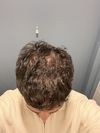
Hair loss causes anxiety during haircuts, with some using minoxidil, finasteride, or hair transplants to cope. Others manage by cutting their own hair or accepting baldness.
A user on 1mg finasteride for a year has low estradiol levels but no significant symptoms, and others suggest monitoring without immediate concern. Some users discuss potential effects of low estrogen, like low libido, but the user reports no erectile dysfunction.
The user is experiencing hair loss likely due to anemia and nutrient deficiency, and is considering using Minoxidil or non-drug treatments like coffee rinses while improving their diet and taking supplements. They are unsure if Minoxidil will be effective for this type of hair loss and are concerned about potential side effects.
Improved sleep has significantly benefited hair health, with noticeable regrowth at the hairline and possibly the crown, alongside better skin and mood. Consistent sleep, alongside treatments like finasteride and minoxidil, is recommended for better results.
The conversation discusses the effects of finasteride on libido, with the original poster experiencing a significant decrease in sexual desire after starting the medication. Other users share similar experiences and suggest potential remedies, including Vitamin E supplementation and lifestyle changes like avoiding pornography.
Oral minoxidil can cause side effects like heart issues, increased body hair, and facial puffiness, but these are often dose-dependent and temporary. Users report varying experiences, with some combining it with finasteride or RU58841 for better results, while others experience minimal or no side effects.
The user is experiencing a burning sensation from using minoxidil and is considering trying an alcohol-free version with added azelaic acid. They are also using finasteride and seeking reliable, low-cost alternatives for minoxidil.
The conversation discusses hair loss and the potential impact of diet and lifestyle changes, particularly increased protein intake, on hair health. The original poster shared their experience of improved hair appearance after weight loss and dietary changes, despite skepticism from others about lighting differences in photos and the effectiveness of diet alone without finasteride or minoxidil.
A 28 year old male experiencing diffuse thinning, chronic dandruff and scalp crust (seborrheic dermatitis), with replies discussing the use of topical fin for hormone imbalances and Nizoral for seb derm.
A user struggled with hair loss and ineffective vitamin treatments from their doctor. They eventually obtained a finasteride prescription through a telemedicine service and felt relieved.
The user experienced side effects with 1mg finasteride and is considering using a 0.5mg dose to prevent them. Another user suggested splitting the pills to achieve the lower dose.
Stopping finasteride due to side effects and family planning can lead to temporary increased hair shedding, which may stabilize over time. Consider topical treatments or a lower dose after addressing current concerns.
A 47-year-old with significant hair loss tried Happy Head, micro needling, Pura D’Or Shampoo, and various vitamins for three months. The user shared progress pictures showing improvement.
A 22-year-old male has been experiencing hair thinning since 18 and was prescribed 50mg oral spironolactone for hair loss and high blood pressure, despite inquiring about finasteride. A reply suggests that spironolactone is less effective than finasteride and minoxidil for hair loss and recommends seeking a second medical opinion.
Finasteride and Dutasteride do not cause depression or mood disorders; hair loss itself may be a more significant factor. Some users experience side effects from Finasteride, but it is generally well-tolerated.
The conversation discusses whether a gluten/wheat-free diet is beneficial for hair loss when taking finasteride and minoxidil. It questions if dietary changes are necessary or if using finasteride and minoxidil is sufficient.
A 27-year-old male with AGA and diffused thinning has been using oral Minoxidil, Finasteride, Vitamin D, B12, Iron, and Ketoconazole shampoo. Despite a hair transplant and improved blood levels, he continues to experience hair loss and suspects a possible misdiagnosis of Alopecia Areata Incognita.
The conversation is about someone using minoxidil, low-dose aspirin, and LLLT for hair loss, finding microneedling painful, considering topical finasteride, and feeling frustrated enough to think about shaving their head. They are inquiring about the effectiveness of combining oils like peppermint, rosemary, and castor for hair loss treatment.
The user experienced chest pain and increased heart rate after microneedling while using topical minoxidil for hair loss. They are unsure if minoxidil is effective without microneedling.
User noticed tiny dots on their head after using 0.5% dutasteride and 8% minoxidil, which others identified as developing hair follicles. Encouragement was given to continue the treatment.
A young woman, 23, is experiencing all-over hair thinning and has been using Minoxidil 5% foam, iron supplements, and vitamin D with no improvement. She feels depressed and is seeking support and advice on what to try next.
The user experienced chest soreness and mild gynecomastia after taking 1mg finasteride three times a week, which resolved after stopping the medication. They are considering trying a lower dose or topical finasteride to avoid side effects.
The user is experiencing hair loss, possibly due to androgenic alopecia or telogen effluvium, and is considering treatments like Minoxidil, Finasteride, or RU58841. They also mention potential iron deficiency and sleep deprivation as contributing factors.
Topical minoxidil with tretinoin is causing redness, stinging, and flaking on the scalp. Reducing application frequency and using anti-dandruff shampoo may help alleviate symptoms over time.
Increased scalp itching during shedding phases while on finasteride treatment may coincide with hair regrowth and recovery. This suggests that itching might not always indicate continued hair loss and could encourage persistence with the treatment.
The user stopped using finasteride due to mental side effects but is concerned about hair loss. They are seeking affordable alternatives to finasteride, as their hairline is receding.
A user experienced severe side effects, including erectile dysfunction and testicular pain, after taking finasteride for hair loss. They recommend sticking to minoxidil and biotin and avoiding finasteride due to potential risks.
The conversation is about the approval of Clascoterone (Winlevi) in Canada for hair loss treatment. One user expressed skepticism about its effectiveness due to low concentration.
A 39 year old female who has been taking finasteride for 1.5 months and is experiencing side effects such as muscle and butt shrinkage, and weight loss despite still having tight clothing. The user is seeking advice from those with knowledge of bodybuilding and hormones to help figure out the issue.
Oral minoxidil users should monitor heart health with periodic echocardiograms and cardiologist visits due to potential side effects. While some experience serious side effects, they are rare, and the benefits for hair growth often outweigh the risks.