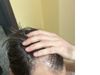
A user with diffuse thinning recommends a root cover-up spray as a temporary, medication-free solution. They plan to consult a dermatologist for treatments like Minoxidil and finasteride while using the spray for special occasions.
The user did not respond to minoxidil and is considering using tretinoin to improve results. They also explored finasteride, microneedling, adapalene, red light therapy, and oral minoxidil as potential treatments.
A user shared their positive experience with MoriTint, a Korean scalp micro pigmentation technique that enhances the appearance of hair density without being permanent. They now offer this service in Los Angeles and emphasize its benefits for those with thinning hair, while clarifying it is not suitable for those with significant hair loss or baldness.
A user diagnosed with AGA is seeking advice on hair loss treatments, comparing topical Minoxidil, Spironolactone, and Finasteride to oral medications and natural methods like dermastamping, PRP, and LED light. They are concerned about side effects and effectiveness, especially given their existing fatigue.
The user switched from oral minoxidil to topical minoxidil and added JXL-069/PP405-3HP, along with topical dutasteride, melatonin, and tretinoin. They also use low-level laser therapy (LLLT) but doubt its effectiveness.
Eucapil is discussed as a potential hair loss treatment with some believing it to be effective, though its efficacy compared to finasteride is debated. It is considered an anti-androgen treatment, often used alongside other treatments like minoxidil and finasteride, but lacks independent studies to fully support its effectiveness.
Using dermaneedling or dermapen for hair loss while managing seborrheic dermatitis and dandruff. Treatments mentioned include ketoconazole, peppermint and jojoba oil, and rubbing alcohol.
Topical pirfenidone is highlighted as an effective anti-inflammatory and anti-fibrotic treatment for hair loss, particularly in addressing perifollicular fibrosis, which may enhance the effectiveness of standard treatments like finasteride and minoxidil. The user also uses calcipotriol, MCT oil, ciclopirox shampoo, and benzoyl peroxide shampoo as part of their regimen.
The conversation discusses the effects of lowering DHT on hair loss and the importance of monitoring DHT levels during treatment. The user suggests that individual responses to DHT and hair loss treatments vary, and expresses a preference for topical treatments over oral medications due to concerns about systemic DHT reduction.
Start hair loss treatments early for best results. Finasteride, Dutasteride, Minoxidil, and microneedling are commonly used, with some users experiencing side effects but often regretting delayed treatment.
The user is frustrated with the lack of visible hair regrowth after 7-8 months of using finasteride and minoxidil, despite initial vellus hair growth. Others suggest patience, switching to oral minoxidil, or using additional treatments like dermastamping, microneedling, and red light therapy.
The conversation discusses GT20029 as a potential cure for hair loss and includes information on specific treatments used. Minoxidil, finasteride, and RU58841 are mentioned as related treatments.
The user has been treating hair loss for two months using 5% minoxidil, 0.25% topical finasteride, ketoconazole 1% shampoo, and microneedling. They report visible progress and plan to continue the treatment.
The conversation is about a user making a homemade topical dutasteride solution to use alongside testosterone replacement therapy (TRT) and oral dutasteride. The user aims to reduce DHT locally at the testosterone injection site and on the scalp.
The conversation is about seeking recommendations for clinics in Los Angeles that offer dutasteride mesotherapy for hair loss treatment. The user is asking for experiences and suggestions from the community.
Winlevi (clascoterone) is discussed as a treatment for hormonal acne and seborrheic dermatitis due to its ability to block DHT and regulate sebum production. The post suggests that Winlevi could offer a novel approach for managing seborrheic dermatitis.
The user is exploring hair loss treatments in China, currently using finasteride and minoxidil, and is concerned about seborrheic dermatitis. Clinics are recommending selenium sulfide, doxycycline, and mesotherapy ampoules like PT88/PT66 or SP88/SP66, but the user is unsure about their effectiveness.
The conversation discusses hair loss treatments using oral minoxidil, oral dutasteride, and mesotherapy dutasteride, showing impressive 6-month results. The user wishes these treatments were available in the U.S.
Improving diet and taking supplements like Biotin, B12, D3, iron, zinc, and protein can enhance the effectiveness of hair treatments. However, responses to treatments like Minoxidil and finasteride vary, and some users report no improvement despite a good diet.
The user reported healthier, firmer, and thicker hair follicles with minimal regrowth at the front after using Regenera Activa, topical finasteride, minoxidil, tretinoin, caffeine solution, and vitamin D supplements. Hair loss has stabilized with no side effects.
The user is considering stopping topical minoxidil due to lack of improvement in hair growth and is exploring alternatives like oral minoxidil, topical finasteride, and tretinoin. They are hesitant about oral finasteride and dutasteride, and are open to trying oral minoxidil if available, despite concerns about potential heart-related side effects.
Clascoterone in Winlevi, a topical AR antagonist, is being re-examined due to concerns about HPA axis suppression in adolescents, but it's unlikely to be banned for adult use in androgenetic alopecia (AGA). The European Medicines Agency recommended refusing Winlevi for acne vulgaris, but this may not affect Breezula's approval for AGA.
The conversation is about adding crushed bicalutamide or spironolactone to a topical mix with finasteride and minoxidil to suppress testosterone in hair follicles, similar to what RU58841 does. The user cannot obtain RU58841 in their country and is seeking advice on this alternative approach for hair loss treatment.
The user is considering combining finasteride and minoxidil tablets into a topical solution that already includes Garnier Fructis stemoxydine and CB0103. They are seeking advice on whether this combination is effective and safe.
Combining minoxidil 5%, tazarotene 0.1% cream, and lumigan for hair loss treatment is discussed. The conversation focuses on the safety and effectiveness of using these treatments together.
A 30-year-old man experienced significant hair loss after starting testosterone replacement therapy (TRT), which did not improve with daily finasteride and minoxidil. He is considering restarting TRT and is seeking advice on using pyrilutamide or RU58841 to prevent further hair loss.
Hair loss treatment progress with Dut, Min, Keto, needling, and RU/Min/Fin/Dut topical. User noticed improvement, believes RU and needling most effective.
Hair loss treatments discussed include microneedling, minoxidil, tretinoin, finasteride, dutasteride, pumpkin seeds, saw palmetto, and scalp massage. The consensus is that finasteride or dutasteride is necessary for significant regrowth, while other methods may only slow hair loss.