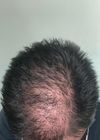
The conversation is about using DIY deoxyribose topical and botox injections for hair loss. The user is experimenting with these treatments and believes the science is strong.
Finasteride, Minoxidil, Bioneer CosmeRNA, Technoderma, Kintor, Hope, Breezula, and Follicum treatments showed increases in hair count, with Technoderma showing the highest increase at 24.3 hairs/cm². Amplifica has not yet published results.
A user proposed genetically engineering scalp stem cells to stop androgen receptors from causing hair loss. Others discussed the feasibility, existing research, and potential issues with this approach, including targeting the correct cells and unintended effects.
The user shared 11 months of progress using oral finasteride and minoxidil for hair regrowth, reporting no side effects. Feedback from others noted improved hair thickness and health.
The user experienced significant hair thickening after nearly 5 months on 5 mg oral minoxidil and over 10 years on 1 mg finasteride, with no side effects. They are considering a hair transplant for the hairline but are pleased with the current results.
Age-linked hair loss is linked to disappearing collagen. Treatments discussed include minoxidil, finasteride, RU58841, tretinoin, microneedling, and collagen supplements.
A 28-year-old man saw hair regrowth after 1.5 years using a topical treatment combining 0.3% finasteride and 6% minoxidil. He initially experienced anxiety with oral finasteride but had no side effects with the topical version.
The user switched from oral minoxidil to topical minoxidil and added JXL-069/PP405-3HP, along with topical dutasteride, melatonin, and tretinoin. They also use low-level laser therapy (LLLT) but doubt its effectiveness.
The conversation is about a person's one-year progress using finasteride and minoxidil for hair loss, with intermittent use of RU58841, showing improved hair quality, density, and thickness without side effects. Users complimented the improved appearance and suggested the longer hair also enhanced their look.
The conversation is about a user's 1.5-year experience using oral finasteride and minoxidil for hair loss. Users discuss the visual improvement, potential side effects, and the normalcy of shedding during treatment.
The conversation is about documenting hair loss over four years leading up to a hair transplant, with photos showing the progression. The next post will cover the experience and recovery from an FUE transplant.
The user shared their 2-year hair regrowth journey using oral finasteride, oral and topical minoxidil, and later adding dutasteride. They noted significant hair thickening, especially after starting oral minoxidil and dutasteride, despite some initial thinning and texture changes.
A mid-50s Hispanic male uses a combination of topical minoxidil and finasteride, microneedling, a laser cap, and biotin to address hair loss, with noticeable progress over 2.5 years. He experiences some side effects but continues the routine, attributing improvements to these treatments.
The user had two FUT hair transplants with 4,600 grafts for increased density, costing about $11,000 each, and has been using oral minoxidil and finasteride for over five years without side effects. The results are natural-looking with no visible scarring, and the user finds the procedure valuable despite the cost.
A user's progress with hair loss treatment using finasteride and minoxidil, with additional advice from other users about the use of dutasteride, LLLT (irestore hat), and Dr pen microneedling.
A 32-year-old man has been using topical minoxidil for 11 years and oral finasteride for 1 year, along with a dermaroller, and is happy with his hair regrowth progress without experiencing side effects. Commenters are impressed and some are considering starting finasteride after seeing his results.
The conversation discusses hair regrowth progress using finasteride and minoxidil, with the user switching from topical to oral minoxidil. Some users express skepticism about the progress photos, while others note that younger individuals may respond better to these treatments.
Minoxidil 0.5% MMP® showed better results in parietal-vertex regions for less advanced female pattern hair loss compared to Minoxidil 5%. MMP® with Minoxidil can improve the quality of life for these patients.
The user has seen positive results after 16 months of using topical Finasteride/Minoxidil, microneedling weekly, and Tretinoin for hair loss. There are no reported side effects, and the user advises that the effectiveness of microneedling depends on the pressure applied.
An 18-year-old male experiencing hair loss since 2023 is using minoxidil, microneedling, and topical finasteride. He is considering switching to oral finasteride for potentially better results.
Kintor Pharma successfully dosed the first patient in a Phase II trial for KX-826 for acne vulgaris. Users are more interested in results for male pattern baldness (MPB).
Ultrasound imaging can non-invasively detect active and inactive hair follicles, inflammation, and fibrosis, potentially reducing unnecessary biopsies. It may help assess hair growth potential and diagnose scalp issues, but some users believe in trying treatments regardless of ultrasound results.
A potential non-invasive topical treatment targeting the WNT Signaling Pathway for hair regeneration is being researched, with positive results on human hair follicle cells. Current effective treatments for hair loss include Minoxidil, finasteride, and hair transplantation.
This conversation is about a user who used finasteride and minoxidil over the course of three years to treat their hair loss, and they achieved great results. They experienced severe shedding when first beginning treatment but eventually saw very noticeable results after one year.
The user experienced significant hair regrowth using minoxidil for 1.5 years and finasteride for 6 months, with finasteride showing more noticeable results. They also tried ketoconazole for scalp infections but found it only provided temporary relief.
A 23-year-old male showed hair regrowth after using finasteride and minoxidil daily for three months, with no significant side effects. Others shared their experiences and discussed side effects and photo lighting differences.
Finasteride and Minoxidil may continue to improve hair regrowth after one year, but significant changes are unlikely, and most improvements occur in the first year. Some users report minor improvements after 18 months or more, but maintenance is the primary benefit after the initial year.
A 23-year-old male has been using oral dutasteride and minoxidil for 1.5 years for temple recession, adding topical minoxidil and tretinoin 5-6 months ago, and recently adjusted thyroid medication and added iron supplements due to deficiencies. He noticed some baby hairs but no significant growth yet, and reports no shedding on dutasteride.