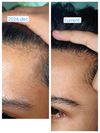
User shared their four-month hair regrowth journey using minoxidil twice daily and low-dose finasteride. They reported noticeable improvement, mild scalp itchiness, and advised caution with hair bleaching.
A person experienced side effects from topical finasteride and is now trying a lowdose of oral finasteride (0.1mg) for hair maintenance, alongside topical minoxidil, Fluridil, CosmeRNA, and exosomes. They are also taking resveratrol and nettle leaf to mitigate side effects.
The user switched from Pyrilutamide to RU58841, changed their Minoxidil solution, and continued using low-dose Finasteride, derma rolling, and specific shampoo. They asked others about their plans after Pyrilutamide's disappointing results.
The conversation is about someone using minoxidil, low-dose aspirin, and LLLT for hair loss, finding microneedling painful, considering topical finasteride, and feeling frustrated enough to think about shaving their head. They are inquiring about the effectiveness of combining oils like peppermint, rosemary, and castor for hair loss treatment.
The user is considering switching from topical finasteride to RU58841 or KX826 due to side effects like low libido and ED. They are also using oral minoxidil and considering low-dose saw palmetto to maintain their hairline.
A personalized topical anti-hair loss serum could include high-dose setipiprant, high-dose CB 03-01, low-dose finasteride, minoxidil, latanoprost, and tretinoin. These ingredients are suggested for their potential effectiveness in promoting hair growth.
Taking 2.5mg of dutasteride daily can cause feelings of low energy, ambition, and motivation, likely due to hormonal imbalances. Many users suggest lowering the dose to 0.5mg to alleviate these side effects.
A 23-year-old with high estrogen levels is considering starting finasteride for hair loss and plans to use a lowdose topical treatment while also seeking to lower estrogen levels. They will consult an endocrinologist for further guidance.
The user is currently using alfatradiol and fluridil for hair loss and is considering adding low-dose topical finasteride but is concerned about potential side effects due to past mental health issues. They are seeking others' experiences with these treatments and their effectiveness.
The user is considering continuing minoxidil and microneedling, possibly adding low-dose topical finasteride, and undergoing a large FUE hair transplant to improve hair appearance. They plan to use hair fibers for added density, aiming for a convincing cosmetic look rather than full density.
The conversation discusses using topical spironolactone for temple hair loss, alongside low-dose minoxidil and possibly PDRN injections, without finasteride or dutasteride. The user is skeptical about the injections due to cost and mild hair loss severity.
Topical Dutasteride may halt hair loss and effectively treat androgenic alopecia. Combining low-dose oral Dutasteride with topical application could maximize regrowth and minimize side effects.
The user shared their experience with hair loss treatments, including low-dose minoxidil, finasteride, and essential oils, and expressed concerns about the cognitive side effects of finasteride. They are seeking more information on how finasteride may affect cognition and are considering whether to continue or stop the treatment.
A user with PCOS experienced hair loss and found success using a triple dose of O.N.E Omega by Pure Encapsulations after discovering low Omega fatty acids. Biotin provided minimal improvement, but the Omega supplement significantly restored hair.
Using topical Minoxidil, Finasteride, and Tretinoin, along with low-dose Accutane, may enhance hair growth. Tretinoin is believed to improve Minoxidil absorption.
Broccoli or sulforaphane supplements are unlikely to improve Minoxidil results due to the need for an unrealistically large dose. Tretinoin, micro-needling, and low-dose oral Minoxidil may be more effective for those lacking the necessary enzyme in the scalp.
A user shared a 3-month hair loss treatment progress using 0.5mg finasteride every other day, Naz shampoo twice weekly, and daily vitamin D and omega 3, without using minoxidil or dermarolling due to scalp sensitivity. Commenters noted the significant results from a lowdose of finasteride and questioned the role of vitamins in the treatment.
The conversation discusses hair loss treatments beyond the commonly known three, focusing on separating effective treatments from myths. Dutasteride and low-dose oral Minoxidil are mentioned as having clinical evidence for increasing hair counts, but with potential side effects.
A 23-year-old is considering finasteride for hair loss but is concerned about worsening pre-existing mild gynecomastia. They plan to start with a lowdose and monitor symptoms, seeking advice from others with similar experiences.
A user is seeking hair loss treatments without using systemic DHT blockers like finasteride due to side effects. Suggestions include clascoterone (not FDA approved), pyrilutamide, RU58841, and low-dose topical finasteride, with a recommendation to consult a doctor.
Breezula may be released around 2027 but its effectiveness for advanced thinning is uncertain, and it might be expensive. Users discuss alternatives like low-dose topical finasteride and combining it with Breezula for better results.
The conversation discusses the effectiveness and value of a Locklabs pill containing finasteride, minoxidil, biotin, and a lowdose of dutasteride for hair loss. The user is uncertain if the .1mg dutasteride dosage is sufficient and worth the cost.
Oral minoxidil may cause heart palpitations, especially in those sensitive to caffeine. It's advised to consult a doctor and consider starting at a lowdose or using topical minoxidil.
Significant hair regrowth was achieved using EssenGen 6-Plus with 6% minoxidil and 0.05% finasteride, along with Nizoral shampoo, over 12 weeks. No side effects were experienced, highlighting the benefits of a lowdose.
The user is considering trying finasteride again for hair loss despite past side effects like tender nipples and concerns about mental health impacts. They are advised to consult a doctor and consider topical or low-dose finasteride.
A 19-year-old is experiencing hereditary hair thinning and is considering switching from topical to oral minoxidil due to convenience and starting finasteride at a lowdose to minimize side effects. A suggestion was made to start with 0.25 mg of finasteride daily and gradually increase to 0.5 mg, while oral minoxidil requires a prescription.
A user is experiencing increased hair shedding after using a homemade topical finasteride mixture with stemoxydine for six weeks. They are concerned about whether the lowdose could cause shedding so early.
A user in their early 20s is concerned about minor hair thinning and is considering a hair loss regimen involving PRP sessions, mesotherapy with dutasteride injections, and low-dose finasteride. They dislike minoxidil due to its greasiness and prefer a routine that is easy to maintain.
The user shared their experience with dutasteride for hair loss prevention, noting side effects like muscle weakness and brain fog, and observed increased testosterone levels. They recommend starting with a lowdose and adjusting based on individual needs and blood work results.
The user is considering switching from topical 5% minoxidil to oral minoxidil at 1.25 mg daily due to practicality, despite the higher cost. They are seeking advice on whether this low-dose oral approach is effective.