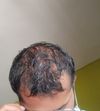
A 21-year-old has been using 1mg finasteride and 2.5% minoxidil for 9 months with some improvement in hair density. They plan to add collagen, 1% ketoconazole shampoo, and biweekly microneedling to their routine.
A user (seblt) who has had side effects from finasteride, minoxidil and RU58841 but is now trying pyrilutamide as a last resort, with other users providing advice and support. They have already seen some baby hairs growing after 10-14 days of treatment and will provide updates in 1-2 weeks.
The conversation discusses hair regrowth treatments, specifically using finasteride, minoxidil, and microneedling with the Derminator. Users report significant improvements, especially after adding microneedling to their routine.
Pyrilutamide Phase 3 approved, starting early 2022 with 416 subjects for 24 weeks. Drug potentially better than RU and Breezula, with some users reporting no side effects.
Concerns about CosmeRNA safety mechanisms and potential side effects. Discussion includes comparisons to Fluridil and questions about nanoparticle specificity and siRNA stability.
The user experienced hair regrowth and improved hair quality using topical minoxidil on temples and oral finasteride daily. They also noted thicker eyebrows and some side effects like minor erectile dysfunction.
A 22-year-old female with AGA due to PCOS is using 5% minoxidil foam and 2mg finasteride daily, and is seeking advice on microneedling frequency and safety. Concerns about finasteride dosage and its effects on PCOS were discussed, with emphasis on trusting the prescribed treatment plan.
Microneedling for hair loss should avoid anti-inflammatory supplements like garlic, Vitamin E, fish oil, turmeric, and NSAIDs for 3 days before and 5 days after the procedure to enhance collagen production. Completely abstaining from these supplements may be unnecessary, but caution is advised around the procedure time.
The conversation is about making a hair loss treatment combining minoxidil with azelaic acid, retinol, and caffeine, similar to the product Xandrox. The user has tried Xandrox but switched to Kirkland minoxidil for cost reasons and is seeking advice on creating a similar mixture.
A user is excited to start using Pyriltamide for hair loss after experiencing side effects from topical finasteride. Other users discuss the potential and skepticism of Pyriltamide compared to older treatments like finasteride and RU58841.
The user visited a trichologist due to ineffective topical finasteride treatment for hair loss. The trichologist recommended a new regimen including a two-month course of locoidon (cortisone 0.1%), followed by a solution containing minoxidil, hydrocortisone butirrate, estrone, progesterone, tocopherol acetate, trichosol, and transcutol.
The user reports positive results from using 0.5 mg dutasteride daily for four months and 2.5 mg oral minoxidil for three months, with no side effects. They switched from topical minoxidil to this oral combination.
The user uses finasteride, minoxidil, and ketoconazole for hair loss. They are concerned if applying moisturizer before minoxidil affects its absorption or efficacy.
The user is seeking affordable topical minoxidil and finasteride options in England, preferably combined in one product. They are open to purchasing them separately if necessary.
Microneedling may still be beneficial for those on oral minoxidil due to its effects on tissue repair and blood flow, not just absorption. Some users report mixed results, and the effectiveness of combining microneedling with oral treatments remains debated.
The acne medication Winlevi, which contains Clascoterone, is available in the U.S. and may slow down hair loss until a higher concentration treatment, Breezula, is released.
A user shared their 2-month progress using 1mg finasteride daily, 5% minoxidil with 0.1% finasteride topically twice a day, and Vitamin D3 weekly. They experienced initial side effects like weaker erections and mood swings, which resolved after one month.
A user shares their 11-week progress using 1mg finasteride, 5% minoxidil twice daily, 0.8mm dermastamping every 10 days, occasional tretinoin, and ketoconazole shampoo for hair regrowth. They plan to continue the treatment for 9 months before considering a hair transplant.
A 33-year-old male is documenting his hair regrowth progress using minoxidil, red light therapy, copper peptides, and micro-needling, with noticeable improvement in hair thickness and coverage. He plans to add a topical finasteride/minoxidil spray and aims for a shadow on his scalp rather than a full head of hair.
The user is managing hair loss with oral finasteride, recently switching to dutasteride, and topical minoxidil, but faces challenges due to seborrheic dermatitis. They seek advice on effective regrowth methods that don't worsen their condition, with suggestions including various shampoos like Vichy Dercos and ketoconazole.
The user is exploring hair loss treatments and is interested in procyanidin B2 and annurca apples but has concerns about the effectiveness and availability of supplements. They cannot use Dutasteride or Finasteride and are considering Minoxidil with microneedling.
The conversation is about the FDA approval of WINLEVI for acne treatment and the anticipation of Breezula, a hair loss treatment using the same active ingredient, which may indicate a positive future for Breezula's release. There is disappointment that Breezula's results are not optimal, but it is seen as progress in hair loss treatment.
The user "Matryxv" shared their progress with hair loss, using finasteride, minoxidil, ketoconazole, dermarolling, and other treatments. They achieved significant hair regrowth in a short amount of time, surprising both themselves and other users.
The user has been using a topical solution of minoxidil 5% and finasteride 0.025% daily, along with dermastamping every two weeks and ketoconazole shampoo twice a week for four months. The treatment is for hair loss.
The conversation discusses transitioning from topical to oral minoxidil for hair loss treatment and explores the potential use of Aminexil, despite concerns about its effectiveness compared to minoxidil. It highlights the risks and side effects of oral minoxidil, such as potential heart and liver damage, and emphasizes the importance of monitoring blood pressure.
The user is using ketoconazole shampoo, 5% minoxidil, and microneedling for hair loss treatment. It's suggested that adding a DHT suppressant like finasteride could improve results.
Alfatradiol is discussed as a weak 5ARI and estrogen, not as effective as minoxidil, RU58841, or CB-03-01, but a safe alternative for those who can't use finasteride. Users express frustration over the lack of strong FDA-approved topical antiandrogens for hair loss.
Minoxidil is not an anti-androgen; it is a growth stimulator and does not lower DHT like finasteride or dutasteride. Minoxidil can cause side effects like facial swelling and anxiety due to its vasodilator properties.