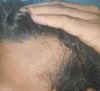
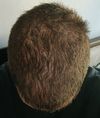
A user shared progress pictures after 8 months of finasteride, 2 months of minoxidil, and 2 months of vitamin D. The post shows significant hair improvement despite some light differences in the photos.
The user is using oral finasteride and minoxidil for hair loss but reduced the dosage due to side effects like lightheadedness and weakness. They are also taking vitamins and natural DHT blockers.
A 26-year-old male experienced hair regrowth and increased density after 6 months using oral finasteride and minoxidil tablets, along with a derma pen, multivitamins, omega-3, creatine, and L-citrulline. He plans to add RU58841 soon and is hopeful for further improvement.
Caffeine may interfere with oral minoxidil because caffeine increases blood pressure while minoxidil lowers it. Users discuss potential interactions and effects on hair loss treatment.
The conversation is about a user's progress in treating hair loss using 1mg finasteride, topical minoxidil once at night, and weekly 1.5mm microneedling. The user reports significant improvement and no side effects, while others discuss their experiences and offer advice on similar treatments.
After 4 months on oral minoxidil with no significant hair regrowth, a user is frustrated and considering alternative treatments since they can't take finasteride due to side effects. Suggestions include natural DHT blockers, lifestyle changes, and other hair care tips.
The conversation is about improving castor oil absorption for hair loss treatment. The user tried ethanol and sweet almond oil mixtures and plans to try DMSO next.
The user is experiencing hair thinning and has a vitamin D deficiency, which they suspect might be causing the issue, but they are also considering androgenic alopecia (AGA) as a cause. They are currently using minoxidil and are unable to get finasteride prescribed, while others suggest addressing the vitamin D deficiency and consulting a dermatologist.
A 28-year-old male shares progress on hair loss treatment using 0.5mg dutasteride and 5mg minoxidil, experiencing initial shedding but encouraged by community support. He also uses ketoconazole occasionally based on scalp oiliness.
The user experienced increased hair density and improved hairline definition after 8 months of using 1mg finasteride and 5mg minoxidil (both oral and topical) daily, though the hairline recession hasn't reversed. They noticed fuller eyelashes and increased shedding, but overall hair growth is outpacing the loss.
The conversation discusses using minoxidil, vitamins, and microneedling for hair loss treatment over two months. Users inquire about the specific vitamins used and the ease of microneedling.
The user has been using topical minoxidil 5% for five and a half months, multivitamins with zinc for three months, and triamcinolone for almost two weeks to address hair loss. They are considering starting finasteride at age 18 and are unsure about hair regrowth progress.
A 26-year-old male with early hair thinning is using finasteride, topical minoxidil, and supplements for deficiencies in iron, B12, and vitamin D3. He is considering adding oral minoxidil to his treatment plan.
The conversation is about using 5mg oral minoxidil, 1mg oral finasteride, and Keto shampoo for hair loss, with additional supplements like Biotin, multivitamins, and Vitamin D3 with K2. Suggestions include possibly switching to 2.5mg dutasteride instead of finasteride.
User experienced hair loss improvement after 7 months using finasteride, zinc, vitamin D, minoxidil, and microneedling. Others praised the progress and discussed the importance of zinc and vitamin D in hair health.
Tretinoin may help more minoxidil convert to its active form and could potentially increase its absorption, raising concerns about safety if too much enters the bloodstream. It's unclear if tretinoin affects finasteride absorption.
Melatonin at a 0.0033% concentration shows results for hair loss when used topically. A user is discussing how to replicate this by adding 2mg of Melatonin to 60ml of Minoxidil solution.
A 32-year-old man experienced positive hair regrowth after 4 months using 1.2mg finasteride and 3mg oral minoxidil, with no side effects. He used a chewable combo pill from Hims, noting minoxidil aids regrowth and finasteride maintains hair.
A user reported significant hair regrowth after 3 months using 1mg oral finasteride, 1ml 5% topical minoxidil, and microneedling, along with biotin, vitamin D, iron, and zinc supplements. They are optimistic about continued progress despite initial skepticism.
User discusses group buy for finerenone, a third-gen mineralocorticoid antagonist for hair loss treatment. Finerenone inhibits TGFb, NOX, and ROS, and improves renal and cardiac function; topical dose should be no more than 10mg per day.
The conversation discusses hair regrowth improvement due to zinc, biotin, and D3 supplements, highlighting that hair loss can result from deficiencies, not just androgenetic alopecia. The user emphasizes that treatments like finasteride are not the only solutions.
A 17-year-old is experiencing genetic hair loss and is considering treatments like Minoxidil, Rosemary oil, or Finasteride. They have a vitamin D deficiency but believe it is not the cause of their hair loss.
The user switched from oral minoxidil to topical minoxidil and added JXL-069/PP405-3HP, along with topical dutasteride, melatonin, and tretinoin. They also use low-level laser therapy (LLLT) but doubt its effectiveness.
CHK-Cu (copper peptide) and C-60 (branched carbon chain) are discussed as potentially more effective than minoxidil for hair regrowth. Some users are skeptical about the claim that DHT isn't the root cause of hair loss, and others are trying these products to see if they work.
Alfatradiol (0.025%) is an effective and safe treatment for androgenetic alopecia in both men and women, increasing anagen hair rates with minimal side effects. Users discuss its cost-effectiveness and ease of use compared to other treatments like finasteride and RU58841, with some combining it with stemoxydine and Minoxidil.
Minoxidil is used for hair loss and sometimes for high blood pressure, but it's outdated for the latter. For high blood pressure, it's combined with a beta blocker and diuretic to manage side effects.
The user does not respond well to minoxidil and is seeking an alternative to Tretinoin to upregulate sulfurtransferase activity for hair loss treatment. No specific alternative treatments were mentioned.
A man shared his 6-month hair regrowth progress using 0.5mg of finasteride daily and recently increased the dose to 1mg. Users discussed the effectiveness of the treatment and shared their own experiences with hair loss treatments.
A user shared a 3-month hair loss treatment progress using 0.5mg finasteride every other day, Naz shampoo twice weekly, and daily vitamin D and omega 3, without using minoxidil or dermarolling due to scalp sensitivity. Commenters noted the significant results from a low dose of finasteride and questioned the role of vitamins in the treatment.
The conversation discusses using a mixture of 4% peppermint oil in jojoba oil to reduce flaking and dandruff caused by 5% Minoxidil lotion. The user reports significant improvement after one application of the oil mixture.