A 34-year-old male is experiencing hair loss on the sides of his head, with inflammation and itchiness, while the top remains thick. He is using topical dutasteride and keto shampoo to address the issue.
The user started using 5% liquid minoxidil on their scalp and noticed increased facial dryness and faster facial hair growth. They plan to reduce the application to once a day to see if it helps with the dryness.
The user is experiencing an itchy scalp and acne while using oral dutasteride and minoxidil for hair loss. They are considering stopping minoxidil to see if symptoms improve and possibly switching to finasteride if needed.
The user, who experienced hair loss at the temples due to psoriasis at 17, is now 21 and considering treatment options. They are inquiring about using minoxidil once a day, whether non-AGA hair loss will persist after stopping minoxidil, and if alternative remedies like Detumescence therapy, rosemary and peppermint oils, and microneedling could be sufficient.
The user is using minoxidil and finasteride to treat hair loss and is concerned about shedding and potential aggressive hair loss. They noticed some regrowth in trichoscopy pictures but are unsure about real-life changes.
The conversation discusses hair loss and treatments like finasteride, minoxidil, and ketoconazole shampoo. Users suggest scalp massages, warm showers, and other methods to address scalp tension and tight spots, with some mentioning the potential effects of medications like escitalopram and probiotics.
A 22-year-old is frustrated with ongoing hair loss despite using treatments like topical minoxidil, finasteride, microneedling, oral dutasteride, and oral minoxidil. Their dermatologist suggests treating scalp inflammation with oral tretinoin and using exosomes for alopecia.
Pelage is moving to Phase III clinical trials for PP405, a hair loss treatment, with results to be presented at a medical meeting. Users express skepticism and hope, comparing it to existing treatments like Minoxidil and finasteride, while discussing the potential for new hair growth in previously bald areas.
The conversation discusses a new model for understanding androgenetic alopecia (AGA), linking it to dietary and lifestyle factors similar to PCOS, and highlighting the role of DHT, vascular damage, and inflammation. Treatments mentioned include Minoxidil, finasteride, and RU58841.
User deciding between oral and topical minoxidil, concerned about hypertrichosis and myocarditis interaction. They're using topical finasteride, LLLT, natural oils, dermastamping, and scalp massage, and considering adding oral minoxidil.
Hair loss therapies focusing on hair follicle sugar metabolism and aldose reductase. Potential treatments include magnesium supplements, avoiding high glycemic index foods, and antioxidants.
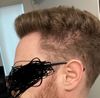
The user experiences scalp inflammation, especially when oily, despite using treatments like dutasteride, oral minoxidil, RU58841, and nizoral. They recently started cetirizine and are considering benzoyl peroxide wash for relief.
Adding Nizoral Shampoo (ketoconazole 2%) improved hair quality and reduced scalp irritation. Alternatives like zinc pyrithione shampoo and Piroctone Olamine were also discussed.
Piroctone olamine and ketoconazole are both effective for reducing dandruff and hair shedding, with potential benefits for hair thickness and scalp health. Piroctone olamine may be as effective or better than ketoconazole in certain conditions, yet it is often overlooked.
Quitting RU58841 after over two years reduced scalp itching and inflammation, despite concerns about losing hair gains. The user continues using finasteride and oral minoxidil.
A female user is experiencing severe hair loss, especially at the crown and front, with broken and dull hair despite using Moroccan oil, shea moisture shampoo, and coconut oil. She seeks recommendations for a clinic or doctor as previous doctors attributed the issue to stress but offered no solutions.
The user shared progress pictures of their hair journey, noting good results after initial shedding but experiencing a second, more intense shed. They use topical Minoxidil twice daily, Tretinoin at night, oral finasteride daily, and ketoconazole shampoo weekly.
A 21-year-old experiencing significant hair loss despite using dutasteride, oral minoxidil, ketoconazole shampoo, and low-level laser therapy seeks advice. Suggestions include adding microneedling, checking for vitamin deficiencies or thyroid issues, and considering a scalp biopsy for other conditions.
Topical melatonin may improve hair density and thickness, and reduce hair loss and seborrhea with no significant side effects. The user made their own melatonin solution for hair treatment.
People are discussing hair care products and shampoos, with some using ketoconazole 2% and others mentioning products like NATIVE brand and Dr. Bronner’s peppermint soap. There's a focus on scalp health and the potential benefits of certain shampoos for aiding minoxidil absorption.
A user plans to experiment with creating new hair follicles using methods like derma rolling, applying lithium chloride, tannic acid, and various other substances including caffeine, ketoconazole, and raspberry ketones. They also consider using anti-inflammatories, immunosuppressants, and DHT inhibitors to potentially improve results.
A gel of keratin microspheres promotes hair follicle growth, showing similar effectiveness to minoxidil in mice. The treatment activates hair growth pathways and reduces inflammation, with potential applications in drug delivery for hair-relateddisorders.
Minoxidil users can safely use salicylic acid shampoo to manage scalp pimples and dandruff. Nizoral is also recommended for hair gain and treating scalp pimples.
The conversation is a satirical discussion about a user joking that their dog is balding and needs hair loss treatments like finasteride, with others commenting on the creepiness of an AI-generated image of a dog with human features.
A user found relief from minoxidil-induced scalp itch by using a different product, as Nizoral dried out their scalp and worsened the condition. The conversation focuses on managing side effects of hair loss treatments.
A user reports a dry and flaky scalp after starting treatment with 5% minoxidil and 0.05% tretinoin, and is seeking advice on using olive oil or face moisturizer on the scalp. They also take finasteride and have tried microneedling, and are asking for the best time to moisturize after applying minoxidil.
A user is experiencing an itchy scalp after using a shampoo containing biotin, saw palmetto, and caffeine, and is questioning if it's due to the shampoo or balding. They are seeking feedback on others' experiences with similar shampoos.
The post discusses a hair loss treatment regime using Nizoral, a laser helmet, dermaroller, bentonite clay mask with essential oils, and ketoconazole shampoo. The user avoids finasteride and minoxidil due to concerns about side effects and pet safety.
The user is experiencing hair loss despite using dutasteride, minoxidil, and ketoconazole shampoo, and is concerned about continued shedding. Suggestions include checking for nutrient deficiencies, consulting a dermatologist, and considering other potential causes like seborrheic dermatitis or telogen effluvium.
Using a silicone scalp massager may help with dandruff and potentially improve the absorption of minoxidil and finasteride. The user has noticed peach fuzz growth after using minoxidil for over a month and finasteride for almost a month.