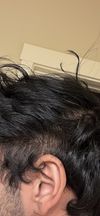
The user shared progress after two months of using finasteride, serioxyl, and NOOANCE casque Pro for alopecia. They are documenting their hair loss treatment journey.
Minoxidil can cause itching, pimples, and shedding, and starting spironolactone or finasteride may also lead to shedding. Topical CBD oil with MCT is suggested to reduce inflammation, and overlapping shedding might occur but doesn't necessarily increase each other's effects.
Scalp massages may show slight improvement in hair appearance, but users suggest more aggressive treatments like finasteride or minoxidil for better results. Some users believe lighting and angles affect photo comparisons, and recommend combining massages with medication.
A 16-year-old female experiencing severe hair loss and sebum buildup, likely due to telogen effluvium and PCOS, is currently using vitamin D3 supplements, Redenser serum, and T follihair supplements. Recommendations include addressing PCOS first and consulting a doctor.
After suffering from hair loss and Seborrheic Dermatitis for three years with no improvement from various treatments, the individual found success with COQ10 and PQQ supplements, which led to new hair growth and a healthy scalp without flare-ups. They also plan to start additional supplements recommended by a dermatologist.
Finasteride helped stop hair loss progression and slightly thickened hair, but reduced beard and chest hair growth. The user also uses ketoconazole shampoo for scalp itchiness.
The user is experiencing excessive hair thinning and is unsure of the cause. They are seeking opinions on treatments like Minoxidil, finasteride, and RU58841.
The user is experiencing increased hair shedding, scalp sensitivity, and itching despite using finasteride for four months, and has tried various shampoos without relief. They are advised to consult a dermatologist for potential scarring alopecia and consider other treatments like adding Dutasteride.
A 27-year-old male is experiencing hair loss and dandruff, despite trying various treatments like cortisone, diflucan, and natural remedies. He is considering shaving his head and is seeking advice on the "Big 3" treatment, which includes Minoxidil, finasteride, and RU58841.
Minoxidil is causing severe scalp irritation, including itchiness and dryness, for the user. Alternatives suggested include anti-fungal treatments, propylene-glycol-free formulations, and possibly oral minoxidil.
Melatonin is being considered as a potential treatment for androgenic alopecia, with some users discussing its effects and combining it with other treatments like minoxidil and finasteride. Concerns about melatonin's impact on hormones and side effects from other treatments like ketoconazole were also discussed.
A 20-year-old male using Minoxidil and finasteride for 6 months and keto shampoo for 5 months saw initial improvement in dandruff, but the condition returned. He recently started using 3% salicylic acid shampoo and seeks advice for persistent dandruff, which is oily and localized to the left side of his scalp.
Non-steroidal ways to reduce scalp inflammation include using topical melatonin, urea shampoo, Zyrtec, turmeric with black pepper, omega-3 supplements, a self-made topical solution with cetirizine, melatonin, and piroctone olamine, ketoconazole shampoo, witch hazel shampoo, tacrolimus, and lifestyle changes like a healthy diet and regular exercise. Some users also mentioned unconventional methods like infrared light therapy and a carnivore diet.
The user has been using finasteride, minoxidil, and a derma stamp for 3 months with significant improvement. They are now adding ketoconazole to their routine.
A user's scalp issue that may be causing their hair loss and potential treatments, such as salicylic acid, finasteride, minoxidil, ketoconazole shampoo, and visiting a dermatologist.
The user is experiencing severe hair loss despite using finasteride for 10 months and suspects scalp buildup might be contributing. Suggestions include using ketoconazole shampoo, consulting a dermatologist, and trying terbinafine cream.
The user started using topical minoxidil daily, finasteride every other day, and ketoconazole shampoo twice a week, along with a dermaroller. They reported progress but experienced some erection difficulties, likely due to finasteride.
Hair loss is causing distress and self-esteem issues, with discussions on treatments like finasteride, minoxidil, and hair transplants. Some suggest topical treatments or lifestyle changes, while others stress the importance of confidence and self-acceptance.
The user has tried various hair loss treatments including topical minoxidil, oral finasteride, oral dutasteride, oral minoxidil, and exosome therapy, but none have been effective. They suspect trichodynia might be preventing these treatments from working.
The user shared their one-year progress using finasteride, minoxidil, a dermastamp, and ketoconazole shampoo, noting stabilization but challenging regrowth in the temples. Another user discussed using a 1.5mm dermastamp daily with minoxidil for better results, but concerns about scarring were raised.
The user has been using topical minoxidil and finasteride for 1.5 years, which has thickened existing hair but left some areas thin. They suspect the treatment may be causing dandruff or seborrheic dermatitis and are seeking advice.
Male pattern baldness (MPB) may be an early warning sign for type 2 diabetes due to its association with insulin resistance. Treatments discussed include testosterone therapy and finasteride, which affects hormone levels related to hair loss and insulin sensitivity.
The user reports some hair regrowth after two months of using 1.5mm microneedling with Minoxidil and Nizoral shampoo. They note reduced pain and skin flaking, attributing changes to skin thickening and collagen induction.
The conversation discusses using hair follicle dermal papilla exosomes for hair loss treatment. It inquires about purchasing options for this treatment.
The conversation is about concerns over using a combination spray containing finasteride, minoxidil, and ketoconazole for hair loss. The user is worried about potential scalp irritation and considers using separate products to better manage sensitivity.
The user is experiencing scalp irritation from using tretinoin and alcohol-based hair loss treatments like stemoxydine. They find that Aquaphor helps with the pain but is difficult to apply in hairy areas.
The user experienced severe scalp itching and hair loss while on dutasteride, which they linked to caffeine and masturbation. They plan to cut out both to see if their hair density improves.
The conversation discusses hair loss treatment using daily topical minoxidil and finasteride, daily 0.5mm dermarolling before application, and 2% ketoconazole shampoo three times a week. Users believe dermarolling enhances the absorption of the treatments and expect significant improvements over time.
The user experienced no regrowth after nine months on minoxidil and developed red bumps after starting finasteride. They also use Nizoral 2%, which helps slightly, but minoxidil causes intense itching.
The user shared progress on hair loss treatment between September and November using oral finasteride, topical minoxidil, dermarolling, a LaserComb, caffeine shampoo, Nizoral, scalp massages, and both oral and topical biotin. The conversation discusses the effectiveness of these treatments.