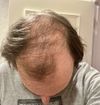
User experienced hair regrowth after 5 months on oral minoxidil and finasteride. Others praised the impressive results and mentioned the importance of combining treatments for best results.
Microneedling for hair restoration involves daily use of a 0.3 mm device and weekly use of a 0.5 mm device. Combining microneedling with Minoxidil can enhance hair growth.
A user's progress in treating their hair loss using Minoxidil, Finasteride, ketoconazole shampoo, microneedling, omega 3, D3 and Forcapil vitamins over the course of three months. Other users offered support and advice to the original poster.
Switching to dutasteride as a hair loss prevention treatment, along with minoxidil, dermarolling and nizoral shampoo, and the potential benefits and side effects of using finasteride and/or dutasteride in combination with topical anti-androgens like RU58841.
A user is experiencing significant hair loss and stress, seeking advice on treatments. They are using Pura d'or shampoo and conditioner, biotin, and considering other options but are hesitant about treatments like Minoxidil due to the need for continuous use.
Topical dutasteride is considered for hair loss, but concerns about systemic absorption and side effects like reduced libido are common. Users have mixed results, with some preferring oral finasteride or dutasteride despite side effects, while others find topical treatments beneficial but challenging.
Hair loss treatments, specifically 5AR inhibitors, can impact neurosteroids and sexual health. The effects of topical fin/dut on tissue-specific DHT levels are unclear.
A user shared their 14-year experience with hair loss treatments, primarily using finasteride, minoxidil, and Nizoral. They highlighted the effectiveness of finasteride despite some side effects and emphasized the importance of early prevention and the potential for negative selection bias in online reviews.
A 20-year-old experiencing hair loss is using minoxidil and ketoconazole shampoo but had to stop finasteride due to side effects. They are considering a hair transplant and debating whether a thick beard can compensate for hair loss in terms of attractiveness.
The conversation discusses skepticism about new hair loss treatments, with many users expressing doubt about the effectiveness and availability of future solutions. Current treatments like minoxidil, finasteride, and hair transplants are mentioned as reliable options.
A user visited a dermatologist for hair loss and was prescribed Minoxidil without a physical examination, leading to skepticism about the thoroughness of the appointment. The user is considering seeking a second opinion due to the lack of tests or physical checks.
A person had three hair transplant surgeries using 7,600 grafts from scalp, beard, and chest, along with finasteride and minoxidil. Reactions are mixed, with suggestions for alternatives like hair systems or scalp micropigmentation.
Scalp tension from the occipitalis muscle is theorized to contribute to hair loss, but most believe DHT and genetics are the main causes. Treatments like finasteride and minoxidil are considered more effective than addressing scalp tension.
A user experienced significant hair regrowth after 24 months using 1mg daily Dutasteride and 2.5-5mg oral Minoxidil for diffuse unpatterned alopecia. The discussion covers treatment effectiveness, side effects, and comparisons with Finasteride.
The conversation discusses the emotional impact of early hair loss in men, with many feeling isolated and self-conscious. Some users also mention the lack of awareness about potential treatments like Minoxidil and Finasteride.
Minoxidil sulfate is more effective than regular minoxidil, especially for those with low sulfotransferase levels or scalp sensitivity, but it is unstable unless delivered in a liposomal format. Combining minoxidil with tretinoin can enhance effectiveness, and stopping minoxidil use can lead to rapid hair loss.
The conversation is about a user's hair regrowth after 2.5 months using topical minoxidil. Some suggest adding finasteride for long-term results, while others share their experiences with side effects or alternative treatments like dermarolling and dietary improvements.
A user has been treating hair loss with finasteride for two years without success and is experiencing an itchy scalp with seborrhea. Despite low DHT levels, they are still losing hair, suggesting that DHT might not be the main cause of their hair loss, and they are considering other treatments or causes.
The user lost hair density after 7 months of using minoxidil and finasteride and is seeking advice on other treatments after trying tretinoin, microneedling, and castor oil. Suggestions include checking for scalp conditions like eczema or psoriasis, changing minoxidil brands, and questioning hair dryer use and finasteride dosage.
A user's results with taking finasteride and minoxidil to treat hair loss, which have been successful after three months. Replies discussed dosage information, as well as providing congratulations and astonishment.
PP405 is discussed as a potential adjunct therapy for hair loss, with skepticism about its effectiveness and trial results. Users mention combining it with finasteride and minoxidil for better results, while others debate the root causes of hair loss and the limitations of current treatments.
This conversation is about a user struggling with hair loss who has been told by their barber that minoxidil does not work and the only solution is to accept it. Other users have encouraged them to continue using finasteride and minoxidil, as well as look for another barber, since these treatments are scientifically proven to be effective in combating hair loss.
Hair loss theory suggests imbalance between Vitamin D Receptor (VDR) and Androgen Receptor (AR) activation. Proposed treatment includes upregulating VDR, downregulating AR, and improving mitochondrial health.
Hair loss treatments like minoxidil, finasteride, dutasteride, and RU58841. Users stress early prevention and discuss challenges with different hair loss patterns.
A user is experiencing hair loss despite using topical minoxidil, oral finasteride, and 2% ketoconazole shampoo, and is seeking advice on further treatments. Suggestions include switching to dutasteride, trying oral minoxidil, addressing scalp inflammation, and considering dietary changes and supplements.
Minoxidil alone is not effective for hair regrowth; adding a DHT blocker like finasteride or dutasteride is recommended. Dermastamping and micro-needling can enhance results, and some users suggest trying oral minoxidil or natural DHT blockers.
Homelessness is humorously proposed as a solution to hair loss due to less grooming and stress. Treatments like Minoxidil and Finasteride are discussed, with genetics and lifestyle also considered important factors.
The user is experiencing hair loss and is using oral treatments including 5mg minoxidil, 1.1mg finasteride, and 1mg biotin daily. They are considering adding dutasteride and possibly a hair system, while others suggest patience and additional treatments like microneedling.
Minoxidil can effectively promote hair regrowth with consistent use, but results differ among individuals. Some recommend combining it with finasteride for better long-term results, though OP chooses to use only minoxidil and accepts the possibility of going bald.
The user is experiencing significant hair loss and is considering treatments like minoxidil, finasteride, and possibly a hair transplant. They are advised to consult a dermatologist and consider oral minoxidil and dutasteride, while being aware of potential side effects and the need for ongoing treatment.