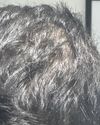
The conversation is about hair loss treatments. The user considers natural remedies but is advised that finasteride, dutasteride, and minoxidil are more effective.
Joe Rogan mentioned Batana Oil for hair loss, but many believe the video is fake and created using AI. Most users are skeptical of his endorsement, comparing it to his previous controversial recommendations like Ivermectin for COVID.
A user has been losing hair for two and a half years after a tropical trip and illness. A dermatologist prescribed betamethasone valerate 0.1% lotion, but the user is unsure if it's safe or effective for general hair loss.
A new hair loss lotion by Dr. Brotzu, expected to regrow up to 5 years of lost hair, is set to be released by Fidia Farmaceutici. It claims to work like minoxidil and finasteride without side effects, but skepticism exists due to its classification as a cosmetic product.
A new hair loss treatment, pp405, may regrow hair better than finasteride and minoxidil, with potential availability by 2028. However, there is skepticism about its effectiveness and commercialization timeline.
A user sharing their hair restoration results after taking finasteride for 12 months and minoxidil orally for 3 months; other users responding with questions and comments about the treatments used.
Minoxidil can cause significant hair shedding, especially for those who don't need it, and should be used cautiously under medical advice. Natural remedies like onion, rosemary oil, aloe vera, coconut oil, and a healthy lifestyle can help recover from minoxidil-related hair loss.
Testosterone can still cause hair loss even when DHT is blocked by dutasteride, especially if hair follicles are sensitive. Topical treatments like RU58841 or pyrilutamide may help, but their long-term effectiveness is uncertain compared to dutasteride.
A transgender woman experienced significant hair regrowth after 18 months of hormone replacement therapy (HRT) with estrogen and bicalutamide. The discussion notes HRT's effectiveness for hair regrowth but warns against its use for cisgender men due to feminizing effects.
Hair provides protection against head trauma, reduces skin cancer risk, helps remove heavy metals, and aids in wound healing. The conversation emphasizes the health benefits of maintaining head hair beyond cosmetic reasons.
DLQ01, a prostaglandin F2α analog, shows promise for hair growth by directly stimulating PGE2/PGF receptors without needing conversion, and can be combined with minoxidil and retinoids like tretinoin for enhanced effectiveness. Minoxidil's efficacy may be reduced by COX-1 inhibitors, but using prostaglandin analogs like Latanoprost or Bimatoprost can help maintain its effectiveness.
The user experienced hair loss since 2019 and tried finasteride, dutasteride, RU58841, and ketoconazole shampoo without success. A scalp biopsy showed scarring and inflammation from folliculitis, indicating chronic inflammation was affecting treatment effectiveness.
Joe Biden aged significantly between ages 25 and 30, with noticeable changes in hair and facial features. He had a hair transplant, but it's unclear if he used Minoxidil or Finasteride.
Dutasteride promotes more hair regrowth than Minoxidil. Users discuss combining treatments for better results and share personal experiences with side effects.
First patient dosed with Pyrilutamide (Kintor) Phase III for hair loss treatment. Pyrilutamide differs from approved treatments as it competes with DHT to bind hair follicles, potentially reducing side effects.
A 39-year-old woman noticed hair thinning and found she has an iron deficiency, which may be linked to hair loss. Suggestions included seeing a dermatologist, using spironolactone, and minoxidil.
Onion juice may temporarily improve hair health by boosting blood circulation and providing antibacterial benefits, but it is ineffective against genetic or hormonal hair loss. Proven treatments like minoxidil and finasteride are recommended for more reliable results.
Switching from finasteride to dutasteride can worsen hair loss for some men due to increased testosterone levels. Topical treatments like RU58841 and Pyrilutamide are suggested to counteract these effects, but individual responses vary.
Dutasteride might be better for hairline due to varying levels of 5AR activity in scalps. Genetic tests can determine if finasteride is enough or if dutasteride is needed.
User experienced hair loss due to anorexia and stress, leading to a difficult journey with wigs and self-esteem. Hair regrowth occurred with spironolactone, but recent hair loss returned, causing uncertainty and emotional struggles.
A user has been treating hair loss with finasteride for two years without success and is experiencing an itchy scalp with seborrhea. Despite low DHT levels, they are still losing hair, suggesting that DHT might not be the main cause of their hair loss, and they are considering other treatments or causes.
A 20-year-old is experiencing hair loss despite using dutasteride and oral minoxidil. Suggestions include consulting a specialist, considering RU58841, and checking for other conditions and vitamin deficiencies.
Accepting baldness and the various ways people try to cope with it, such as shaving, using medications like minoxidil and finasteride, or getting a hair transplant. Participants discussed how true acceptance of hair loss involves confronting difficult emotions such as grief for one's former appearance and identity, as opposed to simply superficially hiding it with a shaved head.
Minoxidil and finasteride have stabilized hair loss but not significantly improved regrowth. The user is considering dutasteride, oral Minoxidil, or a hair transplant for better results.
Hair loss may be linked to the TRPS1 gene and protein, not just DHT. Amplifica's AMP-303 targets mesenchymal stem cells and shows promise in treating hair loss, unlike Pelage's PP405.
The user is experiencing continued hair loss despite using finasteride, dutasteride, and minoxidil, and is advised to improve diet, check for deficiencies, and consider other treatments like microneedling. Suggestions include sticking with the current regimen, considering a hair transplant, or accepting hair loss and shaving.
Scalp tension from the occipitalis muscle is theorized to contribute to hair loss, but most believe DHT and genetics are the main causes. Treatments like finasteride and minoxidil are considered more effective than addressing scalp tension.
The user had a hair transplant five years ago and started using minoxidil three months ago. Commenters recommend adding finasteride or other DHT blockers to prevent further hair loss and maintain results.
A 20-year-old is experiencing hair thinning and seeks advice on starting treatment and regrowing hair. They are considering using Minoxidil, finasteride, or RU58841.