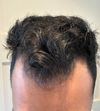
The user is experiencing significant hair thinning on the front scalp while taking oral finasteride and minoxidil. They are unsure if it's androgenetic alopecia or related to seborrheic dermatitis.
The post discusses frustration over the limited and not always effective treatments for hair loss, mainly Minoxidil and Finasteride. The conversation includes mentions of potential new treatments like GT20029, HMI-115, CosmeRNA, KX-826, and microneedling, but also highlights the challenges of funding and prioritizing research in this area.
The user is experiencing breast tissue growth from taking dutasteride and minoxidil, and is considering reducing the dosage or stopping the medication. Suggestions include seeing an endocrinologist, using Raloxifene or Arimidex, and considering topical treatments or surgery if necessary.
OP believes RU58841 affected their thyroid, causing hypothyroidism and impacting minoxidil's effectiveness. They plan to start thyroid medication to improve hair regrowth.
A 26-year-old is starting a hair loss treatment using 1mg oral finasteride daily, 5% topical minoxidil foam twice daily, 2% ketoconazole shampoo weekly, and microneedling once a week. They noticed worsening hair loss over the past year and are seeking advice.
The conversation discusses using GFM Gel, a topical gel with polypeptides that mimic growth factors to promote hair regrowth and strengthen hair. It also mentions treatments like Minoxidil, finasteride, and RU58841 for hair loss.
User experienced feminizing side effects from finasteride and tried RU, alfatradiol, and finasteride without success. They are now considering treatments like Stemoxydine, Zix, Minoxidil, Dermarolling, Eucapil, and a hair transplant.
A human trial of verteporfin, a drug that can inhibit wound healing by scarring and promote regeneration of original tissue and hair follicles to provide an unlimited source for hair transplants; people discussed the potential of this drug and how it could be rolled out in mainstream with more doctors getting on board.
Concerns about CosmeRNA safety mechanisms and potential side effects. Discussion includes comparisons to Fluridil and questions about nanoparticle specificity and siRNA stability.
A 26-year-old male is using a combination of clomiphene, minoxidil, tadalafil, bupropion, and lisdexamfetamine to address low testosterone, ED, depression, and focus issues. He seeks input on the safety and efficacy of this regimen, which also includes magnesium, zinc, and fish oil supplements.
Vitamin D deficiency is linked to hair loss, and supplementation with vitamin D can improve conditions like androgenic alopecia and telogen effluvium. Users discussed various dosages of vitamin D, emphasizing the importance of getting blood tests to determine the appropriate amount.
The user shared a two-year update on hair loss treatment using oral minoxidil, finasteride, and microneedling, noting significant progress after starting oral treatments and microneedling. They began treatment in early 2023 after noticing hair loss in late 2021.
A 30-year-old male is experiencing hair regrowth after almost three months using 0.5mg finasteride, topical minoxidil once daily, and weekly microneedling at 0.5mm. The user follows a dermatologist's advice and is hopeful about the results.
L. reuteri, a probiotic, is being explored for its potential benefits in treating androgenic alopecia, possibly enhancing finasteride's effects and reducing inflammation. The user combines this with finasteride, oral minoxidil, and other supplements, noting some improvement in hair loss.
The conversation discusses the safety, tolerability, and efficacy of oral Setipiprant tablets for treating androgenetic alopecia compared to finasteride. It mentions the high cost of Setipiprant on the black market and the trial's end date in September 2017.
Hair loss involves more than just DHT, with genetic factors like TRPS affecting hair follicles. Treatments such as Amplifica's AMP-601 and AMP-303 target stem cells for potential hair growth solutions.
A user shared their 1.5-month progress using a routine of topical finasteride and minoxidil gel, minoxidil foam, microneedling, keto shampoo, and a multivitamin. They reported noticeable hair regrowth for the first time in a decade.
The user is experiencing hair thinning and has a vitamin D deficiency, which they suspect might be causing the issue, but they are also considering androgenic alopecia (AGA) as a cause. They are currently using minoxidil and are unable to get finasteride prescribed, while others suggest addressing the vitamin D deficiency and consulting a dermatologist.
A 23-year-old male has been using finasteride and topical minoxidil for 14 months with slight improvement, but recent shedding led him to switch to a new minoxidil formulation without success. He is considering using topical RU58841 or dutasteride to better address scalp DHT, as his bloodwork shows high total testosterone and mid-range DHT levels.
OP is considering Bicalutamide for female AGA and TE but is concerned about its side effects and effectiveness compared to Finasteride. OP is also using Minoxidil and Spironolactone but is experiencing significant shedding and is unsure if it's androgen-driven or due to Minoxidil changes.
The user is seeking advice on treating male pattern baldness (MPB) while dealing with seborrheic dermatitis, specifically asking about the use of finasteride (Fin) and minoxidil (Min). They are concerned about side effects and are looking for recommendations to improve overall hair thickness, especially on the crown.
A 48-year-old man's 11-month progress using 1mg finasteride for hair loss treatment, with significant improvement and no side effects. Other users share their experiences, with some also seeing positive results, while others have not been as successful.
A user's successful hair regrowth after 7 months of using 5% minoxidil, 1mg finasteride, and adding micro needling 4 months ago. The user also took biotin, fish oil, and collagen supplements, and reduced finasteride intake to once every 3 days due to minor libido decay.
Pyrilutamide and RU58841 are androgen receptor antagonists that block receptors without significantly reducing testosterone or DHT levels. Any indirect effect on androgen levels is likely negligible.
Despite using 5% minoxidil, 0.1% finasteride, and other treatments like microneedling, MK-677, and Cialis, hair loss continues with high testosterone and DHT levels. Considering oral dutasteride but concerned about further increasing testosterone levels.
The conversation discusses hair loss treatments, specifically the progress made with Pyrilutamide over 15 months. One person suggests using oral Minoxidil or Dutasteride, but another mentions experiencing negative side effects from oral Finasteride.