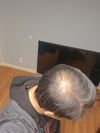
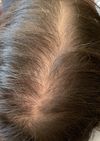
User started minox and fin for hair loss and wants to know if they'll help thicken hair. Another user suggests shaving head before starting treatment and mentions success stories.
A 21 year old male who has been using finasteride and minoxidil for 3 months to treat hair loss, and others sharing their experiences with the same treatments.
The user is experiencing severe hair loss and color change despite low testosterone levels and healthy lifestyle changes. They have tried ketoconazole shampoo and consulted a dermatologist, who found no scalp issues but suggested using Toppik for coverage.
Finasteride is not effectively stopping hair loss for the user, who is considering alternatives like Dutasteride, Minoxidil, and microneedling, but is hesitant about surgery or hair systems. The user expresses frustration with the lack of effective treatments for male pattern baldness.
Hair loss treatments, including Dutasteride 0.5mg daily, finasteride 1mg daily, minoxidil 5% 2x daily, dermarolling, low-level light therapy (LLLT), ketokonazole shampoo, and diet optimization; discussing their effectiveness and side effects.
A 26-year-old male experienced positive results using 1mg Finasteride daily and 2% ketoconazole shampoo for hair loss, with reduced shedding and scalp itch. He reported no significant side effects and recommends early treatment for those in the initial stages of hair loss.
The user shared impressive hair regrowth progress after 3 months using topical finasteride and minoxidil, noting initial libido reduction that normalized. Other users discussed lighting differences in photos, shared personal experiences, and emphasized the importance of consistency for continued results.
A 25-year-old is experiencing chronic telogen effluvium (TE) and androgenetic alopecia (AGA) after surgery, using finasteride, red light therapy, and supplements, and considering oral minoxidil despite heart concerns. They are unsure whether to start minoxidil before or after an upcoming surgery, which may trigger another hair shed.
The user started hair loss treatment at 19 with oral finasteride and topical minoxidil, later switching to oral Dutasteride and oral minoxidil. Despite ongoing treatments, including microneedling and topical applications, hair loss, particularly at the hairline, continues to progress.
The user is experiencing hair loss despite using dutasteride, minoxidil, and ketoconazole shampoo, and is concerned about continued shedding. Suggestions include checking for nutrient deficiencies, consulting a dermatologist, and considering other potential causes like seborrheic dermatitis or telogen effluvium.
The user is using oral dutasteride, oral minoxidil, topical minoxidil, finasteride solution, tazarotene, calcipotriol, and a peptide serum for hair loss but is concerned about continued hair shedding. They are advised to stop smoking as it may worsen hair loss and to give the treatments more time to work.
A 20-year-old is concerned about hair thinning despite using finasteride and minoxidil for over a year. They are advised to manage anxiety, consider therapy, and possibly reassess their treatment plan, while others suggest checking thyroid levels and considering alternative treatments like dutasteride.
Switching from finasteride to dutasteride can improve hair regrowth with fewer side effects for some users. Concerns about shedding, lack of improvement, and the long-term safety of oral minoxidil remain.
The conversation is about using Ketoconazole shampoo as a potential addition to Finasteride for hair density, with skepticism about its effectiveness for hair regrowth. Users suggest that Ketoconazole mainly helps with dandruff and scalp irritation, while Minoxidil and other treatments like oral Minoxidil or dutasteride might be more effective for hair density.
The user has been treating hair loss for nine years using finasteride, oral minoxidil, and microneedling, with significant improvements in hair density and texture. They emphasize the importance of consistent treatment, physical health, and lifestyle changes in achieving these results.
A 42-year-old is using minoxidil for 1.5 years, recently started finasteride, and plans to use a microneedling pen on their scalp. They are seeking advice on regrowing hair.
A 24-year-old male used a daily oral combination of minoxidil (3mg) and finasteride (1.2mg) for three months, along with weekly microneedling, and reported significant hair regrowth and thickness improvement without side effects. Some users expressed skepticism about the rapid results, while others shared their own experiences and congratulated the progress.
The user has been dealing with hair loss since middle school and has tried various treatments like mesotherapy, PRP, and red light therapy without success. Currently, they use minoxidil, finasteride, and dutasteride but are considering a hair transplant due to limited improvement.
A 19-year-old male with no family history of androgenetic alopecia (AGA) is experiencing hair loss and considering using a topical minoxidil and finasteride mixture. Despite low vitamin D levels and normal DHT serum levels, he seeks confirmation of AGA before starting treatment.
Hair loss can be managed by acting early, using treatments like Minoxidil, finasteride, and possibly dutasteride, along with lifestyle changes such as using sulfate-free shampoos and eating protein-rich foods. Consulting a dermatologist and considering microneedling, vitamins, and anti-fungal shampoos are also recommended.
The user reported significant hair growth progress after six months using daily Dutasteride 0.5mg and oral Minoxidil 5mg. Many users expressed amazement and inquired about side effects, age, and product brands.
Impressive hair regrowth was achieved in 4 months using 1.2mg finasteride, 3mg minoxidil, and Thick Fix shampoo. No side effects were reported, and the user encouraged others to try these treatments.
The user had a hair transplant of 3400 grafts, primarily focusing on the hairline, and is happy with the results four months post-surgery. They used topical minoxidil, oral minoxidil, finasteride, and topical dutasteride, along with microneedling and Nizoral, and the procedure cost around $12,000.
The user experienced hair loss starting at 19 and tried treatments like finasteride and minoxidil inconsistently. They later used dutasteride, PRP, and various hair loss lotions and supplements, but faced side effects and are unsure about continuing treatment.
The user experienced hair loss after Covid and started using topical minoxidil, then switched to oral minoxidil, along with Nizoral shampoo, ketoconazole shampoo, clobetasol propionate, and clindamycin ointment, which significantly reduced hair loss and scalp issues. Other users suggested trying finasteride for better results.
The user experienced hair regrowth after 7 months of using finasteride, minoxidil, and ketoconazole shampoo, with shedding stopping recently. They reported no side effects and use a minimal oral dose of minoxidil.
The treatment for androgenetic alopecia involves using finasteride and minoxidil with intense exercise and cold exposure to boost metabolism and reduce androgenic effects, potentially leading to hair regrowth. This approach may activate biological pathways for improved hair and overall health.
The user experienced no response to 5 mg oral minoxidil after 6 months, with no hair regrowth or shedding. Suggestions included trying topical finasteride, dermastamping, and addressing DHT, while some users noted that factors like aspirin or Accutane might affect results.
A doctor advised against using finasteride or dutasteride during pregnancy. The user continues with oral and topical minoxidil, microneedling, tretinoin, Nizoral, and pyrilutamide.