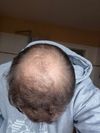
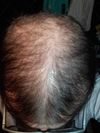
Concerns about CosmeRNA safety mechanisms and potential side effects. Discussion includes comparisons to Fluridil and questions about nanoparticle specificity and siRNA stability.
The conversation discusses the difference between the commercially available Pyrilutamide and the version in clinical trials. It also mentions treatments like Minoxidil, finasteride, and RU58841 for hair loss.
Minoxidil is highly toxic to cats, and users are advised to avoid using it if they have cats, or to take extreme precautions if they do. Some users suggest using oral minoxidil instead, but it may not be available in all countries.
The conversation is about using inositol for hair loss, particularly its potential benefits for men, given its success in women with PCOS. The discussion includes treatments like Minoxidil, finasteride, and RU58841.
The conversation is about a 25-year-old considering whether to start using hair loss treatments like Minoxidil, finasteride, or RU58841, or to shave his head. He is seeking advice due to his family history of baldness.
The user added melatonin to their 5% minoxidil solution for hair growth, using a concentration of 0.0033%, which equates to roughly 2mg for a 60ml bottle. They later reported no significant difference and planned to continue the treatment for a few more months before potentially stopping to observe any changes in shedding.
The user is experiencing hair loss, initially diagnosed as Telogen Effluvium due to stress, but is concerned it might be Androgenetic Alopecia (AGA). A suggestion was made to consider using Minoxidil or Finasteride if the condition worsens.
A user is concerned about using more minoxidil than prescribed to cover their hair loss area and mentions taking spironolactone pills. Another user advises against men taking oral spironolactone due to significant hormonal effects.
The post discusses the difference in effects of Minoxidil (Min) on scalp and facial hair. The user questions why Min-induced hair growth on the scalp is temporary, while facial hair growth seems permanent, even after stopping Min. They propose theories, including different Min mechanisms on body and facial hair, the role of DHT, and the possibility of not achieving fully terminal hair. The responses include personal experiences and theories about Min's effects on hair growth.
Exosomes, cetirizine, melatonin, latanoprost, and caffeine are discussed as potential hair loss treatments. There is skepticism about the effectiveness of exosomes, especially in topical form, but some users report positive results.
The conversation is about a user planning to start minoxidil treatment and considering increasing zinc intake to improve testosterone and libido. They are concerned about potential hair loss due to increased testosterone and are advised to consider magnesium supplementation and the effects of DHT if not on finasteride or dutasteride.
A user with seborrheic dermatitis uses Ketoconazole 2% and Betamethasone and is considering starting Minoxidil for thinning hair. They are concerned about using Minoxidil and Betamethasone simultaneously.
The conversation discusses hair loss treatments, specifically using finasteride and minoxidil, and emphasizes taking proactive steps rather than blaming external factors. It also touches on the reality of side effects and the importance of trying treatments to find what works.
The user is experiencing scalp itching despite using finasteride and Ketoconazole shampoo for hair loss and seborrheic dermatitis. They are unsure if the itch is due to their treatments, diet, or mental factors.
The conversation humorously suggests that the hair loss industry, referred to as "Big Bald," deliberately delays a cure to profit from ongoing treatments like minoxidil, finasteride, and dutasteride. Participants debate whether a cure would be more profitable than current treatments, with some suggesting that the industry prefers continuous treatments for sustained profit.
A user is using 2.5 mg minoxidil for beard growth and considering increasing the dose to 5 mg for more body hair gains, despite experiencing a bald spot on the scalp. Another user questions the desire for more body hair, suggesting it's not appealing.
John Cazale's hairline showed strong recession at the temples but maintained solid volume and density, sparking discussion on different hair loss patterns and the importance of overall hair density. Treatments like Minoxidil and Spironolactone were mentioned as potential factors in maintaining hair, though genetics and styling were also considered significant.
Oral minoxidil may require potassium for effectiveness, and diuretics taken for water retention might affect this process. The user plans to start taking potassium to address potential issues with minoxidil's effectiveness.
The user switched from topical to oral minoxidil (5mg daily) a year ago, saw no improvement, and experienced chest pain and trouble sleeping after stopping. They are considering whether to resume and taper the dosage due to stress and anxiety.
A user experienced severe side effects from using topical minoxidil sublingually, including muscle cramps, dizziness, and high potassium levels. They were advised to stop and seek medical help, emphasizing that topical minoxidil is not safe for ingestion due to its alcohol content.
A 30-year-old is seeking advice on hair loss treatment, currently using oral minoxidil, finasteride, mesotherapy, and a supplement. They are experiencing shedding and are anxious about the effectiveness of the treatment, asking if they should continue or consider other options like topicals or microneedling.
The user is experiencing hair loss and confusion over conflicting medical advice, with treatments including minoxidil, finasteride, and topical corticosteroids. They are unsure about the necessity of a biopsy and the timing of using minoxidil, while also considering the impact of potential androgenetic alopecia and telogen effluvium.
The user is seeking Malassezia-safe treatments for hair loss and currently uses a baby shampoo, a scalp tonic with antifungal ingredients, and aloe gel. They consider using Kirkland Minoxidil 5% drops and possibly consulting a doctor about Finasteride.
Minoxidil can cause dark circles and skin issues, and users suggest reducing dosage or switching to foam. Supplements like vitamin C, glycine, and MSM may help with collagen production to reduce these side effects.
This conversation is discussing the use of minoxidil and finasteride to treat hair loss, with humorous comments thrown in. People are also suggesting drinking minoxidil as a remedy for baldness.
A user is concerned about the long-term commitment and potential side effects of using oral finasteride and topical minoxidil for hair loss. They are debating whether to accept their hair loss or start the treatment despite mixed results from others.
Switching from oral to topical minoxidil due to increased heart rate. The user seeks advice on maintaining their hair treatment while managing heart rate concerns.
The user is concerned about worsening hairline after 4 months of using minoxidil, noticing shorter hairs and potential hair loss. Another user advises that initial shedding is normal and suggests continuing the treatment for better results.
The user is considering switching from oral to topical minoxidil due to lack of improvement and side effects, while continuing with dutasteride or finasteride. They seek advice from others with diffuse thinning.
The conversation is about the safety and side effects of using dutasteride in mesotherapy for hair loss. The user is skeptical about the lack of reported side effects and seeks anecdotal experiences.