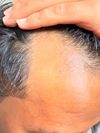
The conversation discusses using RU58841 as a topical treatment for hair loss, with some users reporting no systemic issues. The original poster is considering RU58841 due to limited progress with dutasteride and oral minoxidil.
Hair loss discussion includes potential HMI-115 treatment. Topical mucuna pruriens shows good results, blocking prolactin possibly more important than blocking DHT.
A 20-year-old discusses family denial about his hair loss, diagnosed with seborrheic dermatitis, folliculitis, and male pattern baldness. He is prescribed Dutasteride and oral Minoxidil for treatment.
A new study suggests microneedling alone doesn't benefit male balding, but users argue the study's methods differ from common practices, like combining microneedling with minoxidil and using more frequent treatments. Some believe the study's short duration and infrequent sessions are inadequate to assess microneedling's effectiveness.
Topical minoxidil with tretinoin is causing redness, stinging, and flaking on the scalp. Reducing application frequency and using anti-dandruff shampoo may help alleviate symptoms over time.
The conversation discusses the possibility of creating liposomal topical finasteride at home or at a local pharmacy, questioning if it is an expensive or proprietary technology. It also mentions making topical finasteride using alcohol and propylene glycol.
TDM-105795 is a potential hair growth stimulant that works differently from minoxidil and could be used alongside it for enhanced growth. It completed phase 2 trials in 2024, with a medium to high chance of release in 2026, but lacks recent updates or phase 3 trial information.
Kintor is testing Pyrilutamide with Minoxidil for hair loss. Users are skeptical about its effectiveness and concerned about limited treatment options if this fails.
Pyrilutamide shows promising hair growth results, but skepticism exists due to potential biases and lack of blinding in the study. Concerns about side effects and legitimacy of the product persist, with comparisons to finasteride and discussions on post-finasteride syndrome.
The phase 3 trial results for Pyrilutamide showed no significant difference from the control treatment in increasing hair count, leading to the company halting its development. Users discussed their disappointment and skepticism about hair loss treatments, with some mentioning other treatments like Minoxidil, Finasteride, and RU58841.
The user has been using topical minoxidil for over a year and added kx826/pyrilutamide to improve hair growth, avoiding finasteride due to side effects like lowered libido and panic attacks. They report positive results with reduced shedding and healthier hair, particularly in areas previously unresponsive to minoxidil.
The user experienced high liver enzyme levels, possibly due to topical finasteride or supplements, and decided to stop using finasteride while continuing minoxidil. After stopping finasteride and supplements, liver levels returned to normal, suggesting finasteride or supplements might have been the cause.
The user is discouraged after nearly a year of using oral minoxidil and dutasteride without seeing desired hair regrowth. Suggestions include increasing dutasteride dosage, trying hair transplants, and considering other treatments like derma stamping or topical solutions.
People often stop posting about hair loss after seeing success with treatments. The user used oral and topical minoxidil, finasteride, and microneedling.
Sulforaphane, found in broccoli sprouts, promotes hair growth by degrading DHT. Users discuss its potential benefits and joke about unconventional application methods.
A user shared progress pictures claiming significant hair regrowth using topical minoxidil, finasteride, and weekly microneedling, but faced skepticism and accusations of using someone else's photos. The user clarified that both they and a friend used these treatments, with the friend showing results in the pictures.
A user's progress with treating hair loss, using minoxidil, finasteride and microneedling. The user experienced impressive results after four months of treatment, and mentioned that stopping recreational drugs and losing weight helped their hair regrowth.
This conversation discusses the effectiveness of microneedling for hair loss, particularly when used in combination with oral minoxidil and finasteride. It is suggested that microneedling alone can be more effective than topical minoxidil alone, but it won't have a synergistic effect with oral finasteride. Advice was also given regarding researching treatments further before taking action.
Switching from 2% liquid minoxidil to 5% foam minoxidil reduced scalp irritation but increased eyebrow flakiness and thinning. The user speculates that propylene glycol in the liquid formulation might have been protecting against seborrheic dermatitis while causing contact dermatitis.
The conversation discusses concerns about microneedling potentially causing damage before a hair transplant, with users sharing their experiences and techniques. Specific treatments mentioned include using a dermapen at various depths and speeds, with some users advising against self-treatment.
A user ordered RU58841 from a Chinese supplier, found it to be less than 99% pure, and plans to try a different seller next time. Concerns were raised about impurities, but the user believes they are likely inactive fillers rather than harmful substances.
Trioxidil's effectiveness is questioned, with users suggesting it might be a marketing gimmick. Alternatives like Lipogaine and MSM are discussed, with some users sharing positive experiences with combining treatments like minoxidil and nanoxidil.
Follicium XR™ is a topical treatment for hair loss containing RU58841, AHK-Cu, GHK-Cu Peptide, caffeine, D-Biotin, methylene blue, keratin, and spermidine. RU58841 is considered the most effective ingredient, but concerns exist about its stability in water.
Minoxidil may cause fine lines and dark circles, but effects might be reversible with retinol. Users report mixed experiences, with some noticing skin changes and others not.
The conversation discusses hair loss treatments, specifically using Minoxidil, microneedling, and finasteride. The user is concerned about worsening hair loss and is advised to consider finasteride.
The user is taking finasteride for hair loss and is considering adding Resveratrol and Bio-Quercetin supplements for general wellbeing. They are concerned about potential interactions affecting the effectiveness of finasteride.
RU58841 is not FDA approved, and users are discussing its availability and legitimacy in India, with some mentioning brands like Vantanex and Capomil. One user warns about the risk of gyno from RU58841, advising to stop use at the first sign of sensitivity.
The user is seeking alternatives to Minoxidil for hair growth, currently using 0.1% topical finasteride and 2% ketoconazole shampoo. Suggestions include microneedling, red light therapy, rosemary oil, and other topical treatments like cetirizine, Stemoxydine, and Latanoprost.
The conversation discusses hair loss treatments, specifically finasteride, minoxidil, ketoconazole shampoo, and microneedling, with users experiencing initial success followed by increased shedding and regression. Many users suggest patience, as hair cycles can take years, and some attribute changes to seasonal shedding.