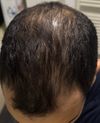
Many regret delaying hairloss treatments like finasteride and minoxidil, impacting self-esteem and dating. Additional treatments include scalp micropigmentation and hair transplants, with some experiencing side effects or high costs.
A user in their mid-40s shared a 12-month update on using finasteride for hairloss, showing significant improvement. They started seeing thicker hair and regrowth after 3 months, with no side effects noticed.
After 10 months, the user's hairline and midscalp look thick following a 6100 graft FUE hair transplant in Turkey. They plan to address the crown in a few months.
Finasteride, a hairloss treatment, was observed to reduce scalp oiliness in users. Anti-androgens like Finasteride are known to decrease the activity of oil-producing glands.
A 21 year-old feeling depressed about hairloss and how to cope with it, discussing various treatments such as finasteride, minoxidil, dutasteride, hair pieces, and scalp micropigmentation. There is also discussion of accepting oneself and redefining self-worth in order to not base one's entire identity on their hair.
Hairloss and the various treatments available, including finasteride, minoxidil, dutasteride, dermarolling, RU58841, mesotherapy, Rogaine, and scalp massages. The discussion also includes regret for not starting treatment earlier and advice to start early in order to avoid further balding.
A 47-year-old user shared their 6-month hairloss treatment results using a Fin/Min spray and weekly dermarolling. They experienced scalp irritation with other products but found success with the Hims Fin/Min spray, noting improvements around the 5th month.
The conversation discusses the perception of increased hairloss among young men, with some attributing it to heightened awareness or environmental factors. Various treatments are mentioned, including Minoxidil, Finasteride, microneedling, scalp massages, and future hair transplant methods.
User started with rosemary oil, then used oral minoxidil, topical minoxidil, dutasteride, RU58841, derma rolling, and keto for hairloss treatment. Significant progress was made, and others praised the aggressive approach.
The user's decision to shave their head rather than continue using drugs like finasteride and minoxidil to try and stop hairloss, as well as other suggestions such as scalp micropigmentation.
The conversation discusses various hair growth treatments, including topical and oral minoxidil, microneedling, LLLT, PRP, exosomes, latanoprost, copper peptides, and upcoming treatments like PP405 and Vdphl01. It also covers managing side effects of minoxidil, such as dry scalp, and mentions the use of dutasteride and finasteride for hairloss.
A mid-40s male experienced significant hairloss after weight loss, tried minoxidil with no success, then started 1mg finasteride daily, resulting in reduced hairloss and thicker hair in three months. Users expressed amazement and inquired about side effects and improvement timeline.
The conversation is about a hairloss treatment regimen using high concentrations of natural ingredients: pumpkin seed oil, saw palmetto, rosemary and peppermint essential oils, and caffeine. The user also practices microneedling, scalp massage, and takes Nutrafol.
User is experiencing scalp itch and hairloss despite using Nizoral, Minoxidil, derma rolling, and Finasteride for 6 months. They are considering switching to Dutasteride.
The user treated hairloss with a combined topical solution of Minoxidil and Finasteride, adjusting the dosage over time. They documented progress with photos, focusing on consistent application to sensitive scalp areas.
The conversation discusses a hairloss treatment regimen that includes scalp massage, derma rolling, saw palmetto, rosemary, peppermint oil, pumpkin seed oil, and various supplements like vitamins C and D, multivitamins, biotin, collagen, and fish oil. The user is asking if the treatment has led to hair regrowth.
A new hairloss treatment, PP405, showed promising Phase 2a results with 31% of patients experiencing over 20% hair density increase without systemic absorption, avoiding hormonal side effects. The treatment is expected to be expensive, with Phase 3 trials starting mid-2026, and there is skepticism about the data's strength.
OP shares their experience with PCOS-related hairloss, highlighting that addressing vitamin D and ferritin deficiencies, managing hormones with spironolactone, and using gentle hair care products helped improve their condition. They advise against relying on "miracle" hair oils and emphasize the importance of medical evaluation and a combined approach to treatment.
User's hairloss treatment progress includes 1 mg finasteride, 2.5 mg minoxidil tablets twice daily, microneedling 3 times a week, and Fungoral shampoo twice weekly. Good progress and minimal side effects reported.
The conversation discusses the potential impact of marijuana on hairloss, with some users suggesting it may worsen hairloss due to hormonal changes, while others believe it might alter perception rather than cause actual thinning. The original poster uses Propecia (finasteride) and Rogaine (minoxidil) for treatment and is considering quitting marijuana to see if it affects hair health.
A user is considering starting treatments like Finasteride, Minoxidil, and Microneedling for hair thinning, despite stable hairloss for over 8 years. They are unsure if the presence of miniaturized hairs indicates potential for regrowth or if they should accept the current state.
A user has been treating hairloss with finasteride for two years without success and is experiencing an itchy scalp with seborrhea. Despite low DHT levels, they are still losing hair, suggesting that DHT might not be the main cause of their hairloss, and they are considering other treatments or causes.
User shares 10-month hairloss treatment progress using finasteride/dutasteride and minoxidil. Treatment shows positive results, with noticeable improvements in months 9 and 10.
A 30-year-old man shares his successful hairloss protocol, which includes finasteride, Nizoral shampoo, low-level laser therapy, microneedling, and past use of oral minoxidil. He plans to consider dutasteride and possibly hair transplants in the future, while advising caution with crown transplants before age 35.
Addressing hairloss by focusing on posture, blood flow, and craniofacial development. Methods include improving posture, cardiovascular activity, scalp massages, healthy diet, meditation, using minoxidil, and addressing craniofacial issues.
Switching from finasteride to dutasteride for hairloss, with some users reporting better results and less hair shedding on dutasteride. Others experienced noticeable prevention but not significant gains, and some faced issues like scalp itching.
A 21-year-old experiencing hairloss since age 16 is using 1mg dutasteride, 5mg minoxidil, and Nizoral, with occasional microneedling, but stopped microneedling due to scalp inflammation. They report some patchy regrowth, with stronger results at the front than the midsection.
ABS-201, a prolactin receptor blocker, shows promise in reversing hairloss and graying, with early success in macaques. Current treatments like finasteride, minoxidil, and RU58841 are still widely used, but new options like PP405 are eagerly anticipated.